
Want a stronger, brighter smile? Brushing and flossing daily are essential, but maintaining good oral health also means eliminating habits that quietly damage your teeth. Many people don’t realize how their everyday routines can affect enamel, gums, and overall dental wellness. Here are eleven harmful habits worth breaking—and how small changes can protect your smile for years to come.
1. Nail Biting
Although it may feel like a harmless nervous habit, biting your nails puts intense pressure on your front teeth. Over time, this can lead to enamel wear, small fractures, chipped edges, or jaw tension. Try keeping your nails short, using bitter-tasting nail polish, or redirecting stress with fidget tools or stress balls.
2. Brushing Too Hard
Brushing aggressively doesn’t make your teeth cleaner. In fact, stiff bristles and heavy pressure can irritate your gums, wear away enamel, and increase sensitivity. Switch to a soft-bristle toothbrush and use gentle, circular motions. An electric toothbrush with a pressure sensor can also prevent overbrushing.
3. Brushing Immediately After Eating
After meals—especially acidic ones—your enamel temporarily softens. Brushing too soon can erode the weakened enamel. Instead, rinse with water right after eating and wait about 30 minutes before brushing. This gives your saliva time to neutralize acids and strengthen tooth surfaces.
4. Clenching and Grinding
Grinding or clenching your teeth during sleep can flatten biting surfaces, wear down enamel, and contribute to jaw pain or TMJ issues. Stress often triggers this habit, so calming bedtime routines like stretching, meditation, or slow breathing may help. A custom nightguard from your dentist in Easley adds crucial protection.
5. Mouth Breathing
Mouth breathing dries out your mouth, reducing the protective benefits of saliva. Without moisture, bacteria multiply and increase the risk of decay. If you frequently breathe through your mouth at night, talk to your dentist or medical provider. Drinking more water and practicing nasal breathing exercises can also help.
6. Chewing Ice
Crunching on ice may be satisfying, but it’s extremely damaging. Ice is hard enough to crack enamel, break fillings, or harm dental restorations. Opt for chilled water instead, or choose crushed ice if you need something cold to chew.
7. Using Teeth as Tools
Opening packages or tearing tags with your teeth might save time, but it puts your teeth at serious risk. These actions can chip, crack, or weaken tooth structure. Keep scissors or other simple tools nearby to avoid unnecessary damage.
8. Frequent Snacking
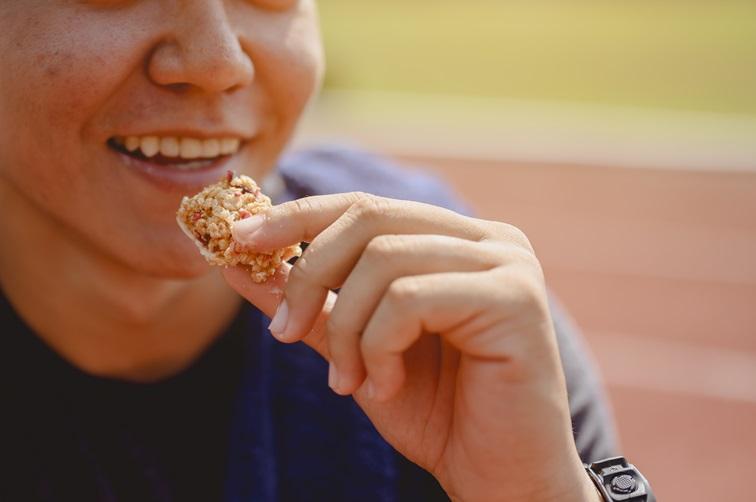
Constant snacking—even on healthy foods—feeds oral bacteria and keeps your teeth coated in acids. This prevents saliva from doing its job between meals. Aim for three well-balanced meals a day with limited snacking to protect your enamel.
9. Sucking on Sugary Lozenges
Many cough drops and mints contain sugar that sticks to your teeth for long periods. Choose sugar-free options with xylitol, which helps reduce bacteria and boost saliva flow. Sugar-free gum after meals can freshen breath without harming your teeth.
10. Drinking Sugary or Acidic Drinks
Sodas, juices, sports drinks, and sweet tea are highly acidic and can erode enamel over time. If you drink them, use a straw to reduce contact with your teeth and rinse with water afterward. Limiting how often you consume these beverages significantly reduces damage.
11. Getting Oral Piercings
Tongue bars, lip rings, and other oral piercings often rub against teeth and gums, causing microfractures, enamel wear, and gum recession. They can also increase the risk of infection and make oral hygiene more difficult. If you choose to keep your piercings, switch to flat-back studs and be extra diligent with your brushing and flossing routine.