

To achieve the safest and most effective laser hair removal in Riyadh, especially considering the stronger sun and common skin tones in the region, avoiding certain mistakes is crucial.
Here is a guide to common mistakes to avoid before, during, and after your laser hair removal sessions:
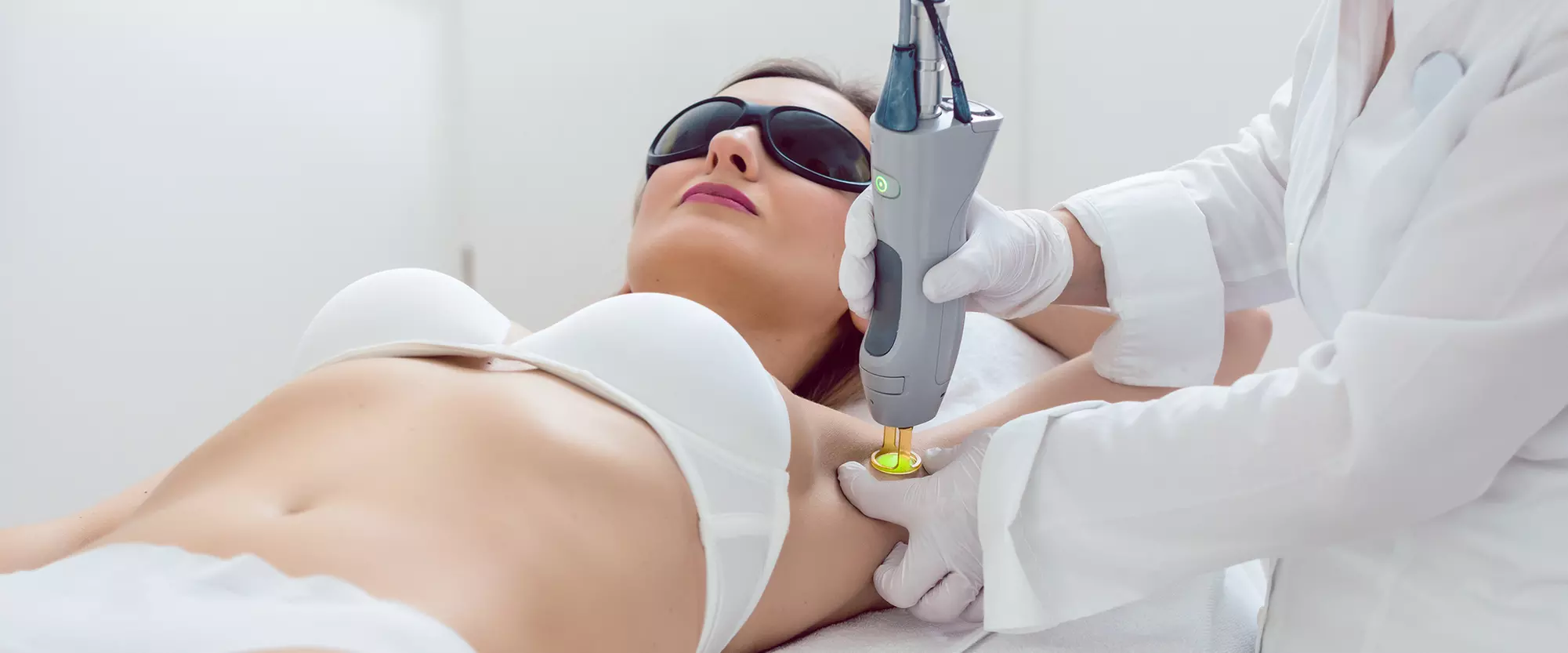
MISTAKES TO AVOID BEFORE YOUR SESSION
The primary goal before treatment is to maximize the contrast between your hair and skin and minimize irritation.
Mistake to Avoid
Why It's a Mistake
What to Do Instead
1. Tanning or Sun Exposure
The laser targets pigment (melanin). If your skin is tanned, the laser is more likely to target the skin instead of the hair follicle, leading to burns, blistering, or hyperpigmentation (dark spots). This is a top concern in Riyadh.
Avoid sun exposure on the treatment area for at least 2–4 weeks before your session. Use a broad-spectrum SPF 50+ daily and wear protective clothing (long sleeves, hats).
2. Waxing, Plucking, or Threading
The laser needs the hair root (follicle) intact to target and destroy it. Removing the hair from the root makes the treatment ineffective.
Shave the entire treatment area completely 24 hours before your appointment. Shaving leaves the root intact but removes the hair above the skin that could singe and cause surface burns.
3. Applying Certain Products
Lotions, oils, makeup, deodorant, or perfumes can sit on the skin's surface and react with the laser, causing irritation or blocking the laser's path.
Arrive at the clinic with clean, dry skin, completely free of any products, especially on the treatment area.
4. Taking Photosensitizing Medications
Certain medications (like some antibiotics, acne treatments such as Isotretinoin/Accutane, or even some anti-inflammatory drugs) can make your skin much more sensitive to light.
Disclose ALL medications and supplements to your technician/dermatologist. They will advise you on whether you need to temporarily stop taking them.
5. Skipping the Patch Test
Going straight into a full session without testing the laser settings on your unique skin-and-hair combination is risky.
Always insist on a patch test during your initial consultation, especially if you have sensitive or medium-to-dark skin, to ensure the settings are safe and effective.
Export to Sheets
MISTAKES TO AVOID DURING THE COURSE
Consistency and proper technology selection are key for results.
Mistake to Avoid
Why It's a Mistake
What to Do Instead
1. Missing or Delaying Sessions
Laser is only effective when hair is in the Anagen (growth) phase. If you wait too long, you miss the optimal treatment window for a large number of follicles.
Adhere strictly to the schedule provided by your clinic, typically 4–8 weeks apart, to ensure all hair is targeted at the right phase.
2. Going to an Inexperienced/Unlicensed Provider
Improper settings (too high a fluence or wrong wavelength) are the primary cause of burns, scars, and long-term pigmentation issues, especially on Middle Eastern skin.
Choose a reputable clinic with certified, experienced dermatologists or laser specialists who use FDA-approved, modern laser devices (like Nd: YAG or Diode).
3. Ignoring Discomfort
While some sensation is normal, severe pain or excessive heat means the setting is likely too high for your skin.
Immediately tell your technician if the sensation is too painful or uncomfortably hot. They should adjust the settings or increase the cooling.
Export to Sheets
MISTAKES TO AVOID AFTER YOUR SESSION
The skin is vulnerable for the first 24-48 hours and long-term sun protection is vital.
Mistake to Avoid
Why It's a Mistake
What to Do Instead
1. Applying Heat to the Area
The laser generates heat in the skin. Applying external heat can cause a heat rash, blistering, or excessive swelling.
Avoid hot baths, hot showers, saunas, steam rooms, and intense exercise that causes heavy sweating for at least 24–48 hours post-treatment.
2. Not Using Sunscreen (Daily)
Treated skin is highly sensitive to UV light and much more prone to hyperpigmentation (darkening).
Use a high-SPF (50+) broad-spectrum sunscreen every single day, even when indoors, on all treated areas exposed to the sun. This is the single most important aftercare step.
3. Using Irritating Skincare
Active ingredients can irritate the sensitive, treated skin.
Avoid harsh chemicals, exfoliants (scrubs, glycolic/salicylic acids), retinoids, and fragranced products on the treated area for 48–72 hours. Use a simple, soothing moisturizer (like aloe vera or a gentle cream).
4. Picking at "Shedding" Hair
The treated hairs will shed over the next 1–3 weeks. Picking them out can cause ingrown hairs or irritation.
Allow the treated hair to fall out naturally. You can gently shave, but do not wax or pluck between sessions.