
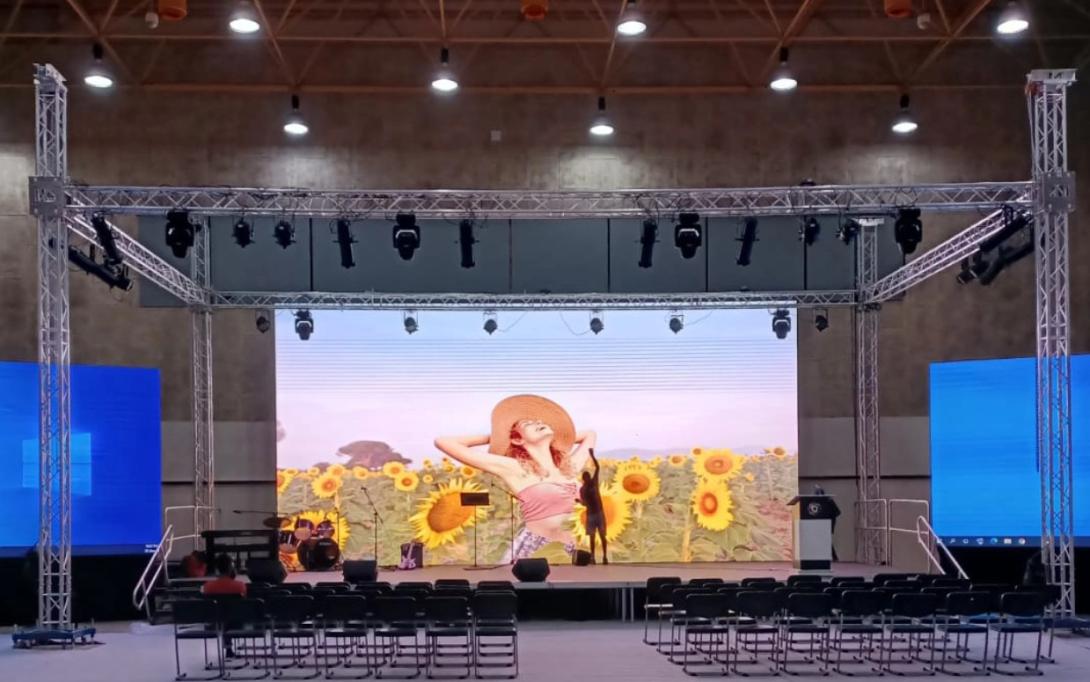
When you walk into a concert, exhibition, or corporate event, you might notice large metal frameworks supporting lights, screens, or speakers. These are known as truss systems — the structural backbone that makes every event setup possible.
For those new to event production or stage design, understanding truss systems can seem technical, but it’s easier than you think. This beginner-friendly guide explains what trusses systems are, the types available, where they’re used, and key safety tips for handling them correctly.
What Is a Truss System?
A truss system is a strong, lightweight framework—usually made from aluminum—that supports stage and event equipment like lights, projectors, and banners.
Trusses are designed to distribute weight evenly across multiple points, allowing heavy loads to be suspended safely. They are widely used in stage construction, exhibitions, trade shows, and event lighting setups.
Because of their modular design, truss systems can be built in different shapes and sizes, making them ideal for both small indoor setups and large outdoor structures.
Why Truss Systems Matter
Truss systems are the foundation of professional event setups. They provide:
Strength and Stability: Hold lighting rigs, screens, and speakers securely.
Flexibility: Can be arranged in different shapes and heights depending on the design.
Safety: Built to carry heavy loads without bending or breaking.
Efficiency: Easy to assemble, dismantle, and transport between events.
Whether it’s a product launch or a music festival, trusses make it possible to create safe, impressive, and flexible stage designs.
Common Types of Truss Systems
Understanding the types of trusses helps you choose the right one for your event setup. Here are the most common types used in event rigging:
1. Ladder Truss
A simple two-chord design that resembles a ladder. It’s lightweight and easy to handle, often used for banners, small displays, and light fixtures.
2. Triangle Truss
Made with three sides, this truss offers better strength and rigidity. Commonly used for medium-sized stage lighting and exhibition setups.
3. Square or Box Truss
One of the most popular designs for events, the square truss provides maximum load capacity. It’s perfect for large-scale stages, concerts, and heavy LED screens.
4. Circle or Curved Truss
Used to add creativity and visual appeal, circular trusses are ideal for centerpiece lighting, exhibitions, and decorative displays.
5. Custom or Modular Truss
Built to meet specific design needs, these trusses can combine various shapes and sizes to create unique stage structures or custom installations.
Top Uses of Truss Systems
Trusses are used across many industries and event types, including:
- Stage lighting and sound systems
- Exhibition booths and trade show displays
- LED screen and projector setups
- Outdoor event structures and tents
- Corporate presentations and product launches
- Theatre productions and concerts
Their versatility makes them one of the most important elements of modern event design and production.
Safety Tips for Using Truss Systems
While truss systems are designed for safety, proper handling and setup are essential to avoid accidents. Here are key safety practices every event team should follow:
Inspect before use: Check all bolts, joints, and welds for wear or damage.
Know the load limits: Never exceed the manufacturer’s specified weight capacity.
Use certified hardware: Always work with rated clamps, cables, and connectors.
Balance the load: Distribute weight evenly across the truss system.
Secure connections: Ensure all joints and fixtures are tightened properly.
Hire qualified riggers: Professional riggers understand load distribution, safety codes, and correct installation methods.
Regular maintenance: Keep records of inspections and replace worn components immediately.
Following these steps ensures that your truss setup is safe, stable, and compliant with event safety standards.
Tips for Choosing the Right Truss System
If you’re new to truss setups, consider these simple guidelines:
Define your purpose: Identify what the truss will support—lighting, screens, or decorative elements.
Check venue limitations: Measure ceiling height and available space before selecting truss size.
Plan for mobility: Choose modular systems if you’ll reuse them for multiple events.
Think about aesthetics: The right truss design can enhance the overall look of your stage or booth.
Conclusion
Truss systems are more than just metal structures—they’re the foundation of safe and creative event design. From small indoor displays to large outdoor stages, understanding the types, uses, and safety rules of trusses helps ensure both visual impact and structural reliability.
By learning the basics and following safety best practices, even beginners can confidently plan and manage stage setups that are strong, flexible, and visually stunning.
Contact Us
If you need guidance on selecting or setting up truss systems for your next event, you can reach out to our technical support team. We’re here to help you make informed decisions and ensure every setup meets the highest safety standards.