
In modern management, emotional intelligence (EI) has become a critical skill for leaders aiming to inspire teams, resolve conflicts, and navigate change effectively. While theoretical knowledge of EI is essential, developing this capability requires practical experience and self-reflection. This is where experiential learning plays a transformative role in fostering emotional intelligence among aspiring managers. This article, with insights from experienced faculty at Poddar Business School, the leading management college in Jaipur, explores how emotional intelligence is developed through experiential learning in management.
Experiential Learning: A Pathway to Emotional Intelligence
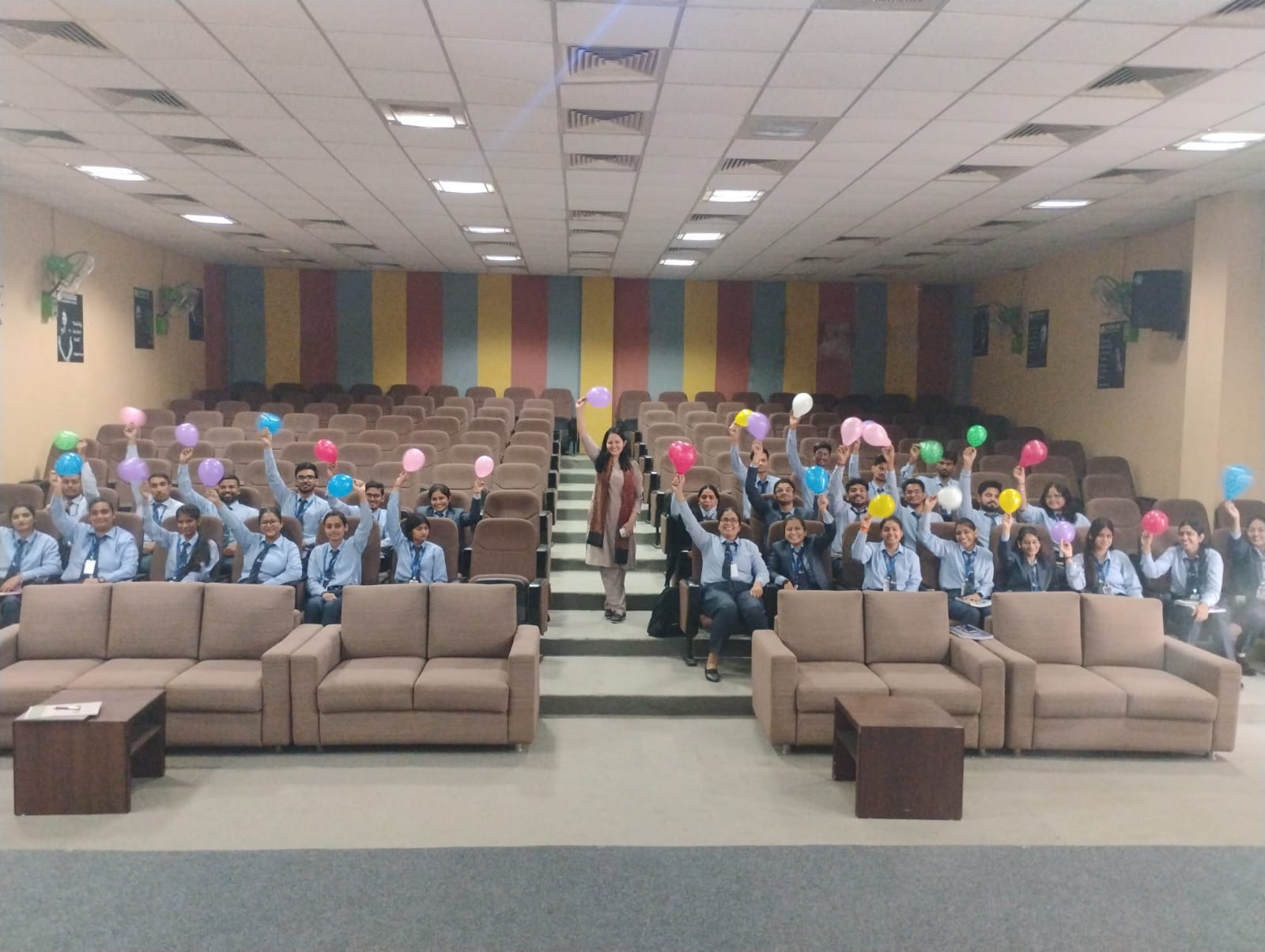
Students at business school in Jaipur learn that experiential learning, grounded in Kolb’s learning cycle, emphasizes learning through direct experience. By immersing students in real-world scenarios, this method enables them to develop and refine emotional intelligence through active participation, observation, and reflection.
Here’s how experiential learning aligns with the key components of EI:
1. Self-Awareness through Role-Playing
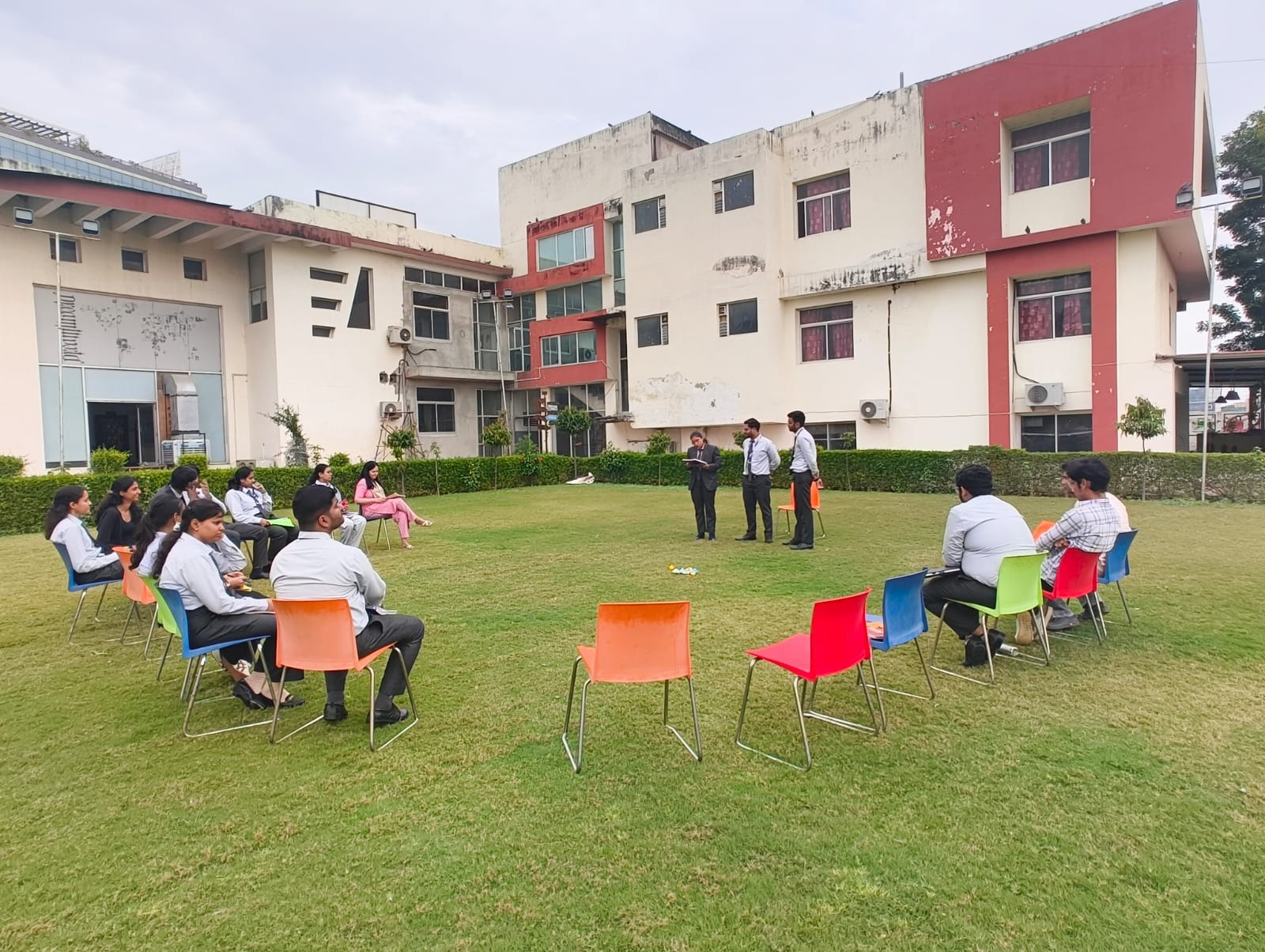
Activities like role-playing allow students pursuing an MBA course in Jaipur to step into managerial positions, handling hypothetical workplace scenarios. Reflecting on their performance helps them identify emotional triggers and recognize their strengths and areas for growth.
2. Self-Regulation via Simulations
Business simulations often include high-pressure decision-making scenarios. These teach students how to remain calm and composed, control impulsive reactions, and make balanced decisions—a hallmark of self-regulation.
3. Motivation in Team Challenges
Group projects or team-based problem-solving tasks foster intrinsic motivation. Working toward common goals under deadlines helps students cultivate resilience and a positive attitude, even in challenging situations.
4. Empathy through Community Engagement
Service-learning projects or community engagements connect students with diverse groups, encouraging them to understand and appreciate different perspectives. Such experiences enhance empathy and emotional sensitivity.
5. Social Skills via Networking Events
Experiential learning often incorporates activities like networking sessions, cross-functional team projects, or leadership exercises. These environments teach students the art of building relationships, managing conflicts, and fostering collaboration.
Examples of Experiential Learning for EI Development
Let us now discuss some examples of experiential learning explored by renowned business schools for emotional intelligence development.
1. Conflict Resolution Workshops: Students pursuing the PGDM course in Jaipur participate in structured exercises where they mediate disputes between team members, practicing empathy and problem-solving.
2. Real-Time Feedback in Internships: Internships provide opportunities for students to manage real-world challenges, receive feedback, and refine their emotional responses.
3. Leadership Labs: Participants assume leadership roles in simulated business environments, learning how to motivate teams and navigate complex interpersonal dynamics.
Impact of Experiential Learning on Emotional Intelligence
Through experiential learning, students enrolled at MBA/PGDM colleges in Jaipur gain practical insights into managing emotions and relationships in the workplace. It equips them to handle ambiguity, build trust, and lead effectively. Moreover, these experiences instill confidence, helping them apply emotional intelligence seamlessly in professional settings.
Conclusion
Emotional intelligence is a vital management skill, and experiential learning offers the most effective pathway to develop it. By immersing students at business schools in Rajasthan, such as Poddar Business School, in hands-on activities, this approach bridges the gap between theory and practice, ensuring they are well-prepared for the emotional and interpersonal demands of modern management.
As institutions adopt experiential learning techniques, they empower the next generation of managers to lead with empathy, resilience, and emotional acumen, qualities that are essential for creating dynamic and successful workplaces.