
Introduction
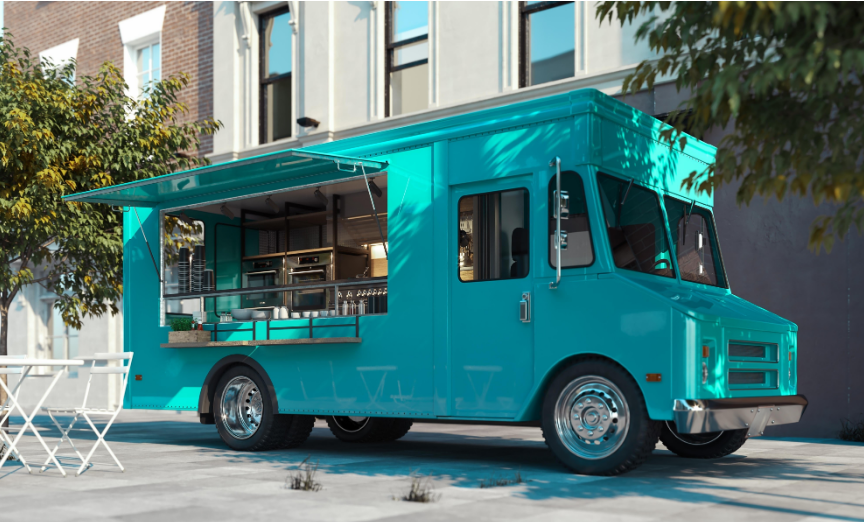
A food truck is more than a mobile kitchen—it’s the heart of your culinary business on wheels. Designing the right layout is essential for efficiency, safety, and visual appeal. A thoughtfully planned custom food truck layout balances practical workflow with an inviting atmosphere that draws customers in.
Understanding the Importance of Layout
The layout determines how easily you and your staff can move, prepare dishes, and serve guests. An optimized design allows you to maximize every inch of limited space, ensuring smooth operations even during busy rushes. Without proper planning, bottlenecks and safety issues can slow service and reduce customer satisfaction.
Core Zones in a Food Truck
A professional kitchen on wheels typically includes three key areas:
- Preparation Zone: Counters for cutting, mixing, and staging ingredients.
- Cooking Zone: Griddles, fryers, ovens, or other equipment arranged for quick access.
- Service Zone: The window or counter where you take orders and hand out meals.
Keeping these stations clearly defined minimizes movement and helps maintain a safe, organized workspace.
Creative Use of Space
Because square footage is limited, creativity is vital. Vertical shelving, under-counter storage, and foldable work surfaces can help you fit more tools without clutter. Cleverly positioned lighting and graphics can make the truck feel larger while reflecting your brand’s personality.
Equipment Placement for Efficiency
Arrange heavy or frequently used equipment—like refrigerators or grills—close to prep areas to cut down on unnecessary steps. Leave enough clearance around hot surfaces and ensure ventilation is strong enough to maintain safe temperatures inside.
Designing for Safety and Compliance
Health and fire codes require adequate ventilation, non-slip flooring, and proper waste disposal. Installing fire suppression systems and accessible shut-offs for propane or electrical lines keeps your team safe while meeting local regulations.
Ergonomics and Staff Comfort
A great layout isn’t only about where equipment sits; it’s about how people move and work. Plan for comfortable standing height counters, easy-to-reach shelves, and safe traffic flow to prevent accidents and fatigue during long shifts.
Adding Style to Match Your Brand
Beyond function, style matters. Your truck’s interior and exterior design can tell your story before customers even see the menu. Choose colors, textures, and signage that complement your food concept, whether it’s a modern coffee bar or a rustic BBQ rig.
Testing Before the Final Build
Creating a mock setup or using 3D design software helps visualize how your team will operate inside the truck. Simulating a service rush can reveal where extra room or different equipment placement is needed.
Conclusion
Investing time in designing a well-thought-out custom food truck layout pays off in efficiency, safety, and customer appeal. A carefully planned interior ensures your staff can work quickly and comfortably, while a cohesive style invites patrons to enjoy the experience. With smart space planning and professional kitchen design, your food truck can serve as both a high-performing workspace and an eye-catching showcase for your culinary brand.