

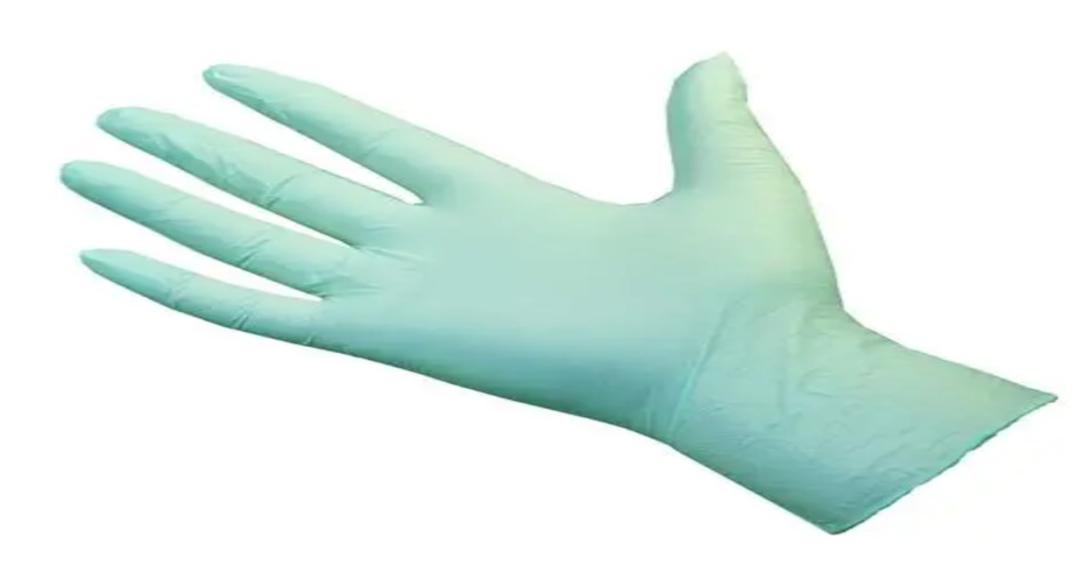
Disposable gloves are essential across many industries, from healthcare and food processing to cleaning, laboratories, and manufacturing. They protect workers, maintain hygiene standards, and support regulatory compliance. However, traditional disposable gloves made from conventional plastics or synthetic rubbers contribute significantly to environmental waste. As sustainability becomes a core priority worldwide, Biodegradable Gloves are emerging as a practical solution that balances performance with environmental responsibility.
pabrik sarung tangan - mitrasauta.com explores the environmental and operational advantages of biodegradable gloves, and why more organizations are integrating them into their supply chains.
The Environmental Challenge of Traditional Disposable Gloves
Conventional disposable gloves are typically made from materials such as nitrile, vinyl, or latex blends that do not break down easily in natural environments. Once discarded, these gloves can remain in landfills for decades, contributing to plastic pollution and waste management challenges.
The global increase in single-use protective equipment has intensified this problem. Industries that rely heavily on disposable gloves often generate large volumes of waste, creating pressure to find alternatives that reduce environmental impact without compromising safety or performance.
What Are Biodegradable Gloves?
Biodegradable Gloves are designed to decompose more efficiently than standard disposable gloves when exposed to specific environmental conditions. They are manufactured using advanced material technologies that allow microorganisms to break down the glove material into natural elements over time.
Importantly, biodegradable gloves are engineered to perform like traditional gloves during use. They maintain strength, flexibility, and barrier protection while offering a reduced environmental footprint after disposal.
Environmental Benefits of Biodegradable Gloves
Reduced Landfill Impact
One of the most significant advantages of biodegradable gloves is their ability to break down more quickly in landfill environments. Unlike standard gloves that persist for years, biodegradable options are formulated to decompose in a much shorter timeframe, helping reduce long-term waste accumulation.
Lower Plastic Pollution
By supporting faster degradation, biodegradable gloves help limit the amount of microplastic pollution entering soil and water systems. This contributes to broader environmental protection efforts, particularly in regions facing waste management challenges.
Support for Sustainability Goals
Many organizations now operate under environmental, social, and governance (ESG) frameworks. Switching to biodegradable gloves allows companies to demonstrate measurable progress toward sustainability targets while maintaining operational efficiency.
Practical Advantages for Professional Use
No Compromise on Performance
Modern biodegradable gloves are developed to meet the same performance standards as traditional disposable gloves. They offer reliable barrier protection, tactile sensitivity, and durability, making them suitable for demanding professional environments.
Compatibility Across Industries
Biodegradable gloves are widely used in healthcare, food handling, cleaning services, laboratories, and industrial applications. They comply with hygiene and safety requirements while offering an environmentally responsible alternative.
Seamless Transition for End Users
From a practical standpoint, biodegradable gloves are used, stored, and disposed of in the same way as conventional gloves. This minimizes the need for additional training or workflow changes, making adoption straightforward for organizations of any size.
Economic and Operational Considerations
While sustainability is often perceived as costly, biodegradable gloves can deliver long-term value. As regulatory pressure around waste reduction increases, companies that proactively adopt biodegradable products may reduce future compliance costs.
In addition, using biodegradable gloves can enhance brand reputation. Customers, partners, and employees increasingly value companies that take visible steps toward environmental responsibility. This can translate into stronger trust, improved market positioning, and competitive differentiation.
Why Product Innovation Matters
Not all biodegradable gloves are the same. High-quality products are developed using carefully tested formulations that ensure consistent performance and controlled biodegradation. Reputable manufacturers invest in research and quality assurance to ensure their gloves meet industry standards while delivering environmental benefits.
When selecting biodegradable gloves, buyers should consider factors such as certification, material transparency, and supplier credibility. Reliable products provide confidence that sustainability claims are supported by real performance and verified data.
The Role of Biodegradable Gloves in a Sustainable Future
The transition toward biodegradable protective equipment reflects a broader shift in how industries approach sustainability. Rather than sacrificing performance, organizations are demanding products that align operational needs with environmental responsibility.
Biodegradable Gloves represent a practical step forward. They allow businesses to reduce their environmental impact without disrupting daily operations or compromising safety standards. As material technologies continue to advance, biodegradable gloves are likely to become an industry standard rather than a niche alternative.
Conclusion
Disposable gloves will remain a necessity across many sectors, but the way they are produced and disposed of is changing. Biodegradable gloves offer a balanced solution that addresses environmental concerns while meeting the practical demands of professional use.
By choosing biodegradable gloves, organizations can reduce landfill waste, support sustainability initiatives, and demonstrate responsible leadership. As awareness grows and innovation continues, biodegradable gloves are set to play a central role in the future of protective equipment worldwide.