
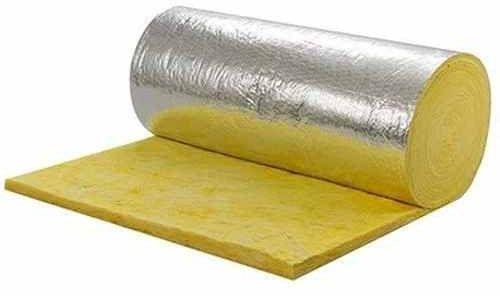
In the pursuit of sustainable, energy-efficient, and comfortable environments, few materials are as foundational as insulation. Among the myriad of options available, Fiberglass wool stands out as a globally recognized, cost-effective, and highly versatile solution. This light, fibrous material, often seen as yellow or white fluffy blankets, is not merely a filler; it is a critical component engineered to combat heat transfer and sound pollution in nearly every type of building, from residential homes to large industrial complexes.
The Science Behind the Strand: Composition and Manufacturing
The efficacy of fiberglass wool lies in its fundamental composition and manufacturing process. It is primarily made from finely spun glass fibers, derived from readily available natural materials such as silica sand, soda ash, and limestone, alongside a significant proportion of recycled glass (cullet). This commitment to using recycled content makes it an increasingly sustainable choice in the building materials sector.
The manufacturing process is akin to making cotton candy, but with glass. The raw materials are melted in a high-temperature furnace. The molten glass is then forced through tiny holes in a rapidly spinning device, which transforms the liquid into fine, continuous strands. As these strands cool, a binder (often formaldehyde-free in modern versions) is sprayed onto them, and they are collected on a conveyor belt. The random orientation of these countless minuscule glass fibers creates millions of tiny air pockets. It is these entrapped air pockets, not the glass itself, that give fiberglass wool its phenomenal thermal and acoustic properties. The final product is cured in an oven and cut into various forms—batts, blankets, or loose-fill—ready for installation.
Unpacking the Core Benefits: Thermal and Acoustic Mastery
The primary function of any insulation material is to resist heat flow, a characteristic measured by the R-value (thermal resistance). Fiberglass wool excels in this metric, providing a high R-value per inch, which is crucial for reducing heating and cooling costs. The trapped air within the structure acts as a formidable barrier, slowing down the conduction, convection, and radiation of heat. In a cold climate, it keeps warmth inside; in a hot climate, it prevents outside heat from penetrating the structure.
Beyond temperature control, fiberglass wool is an exceptional acoustic dampener. The loose, fibrous matrix absorbs sound waves, preventing them from being transmitted through walls, floors, and ceilings. This sound-absorbing capability is invaluable in multi-family dwellings, office buildings, and spaces requiring noise control, such as theaters or recording studios. By minimizing external noise and enhancing privacy between rooms, the material significantly contributes to the overall quality of life and functionality of an occupied space.
Versatility in Application: From Homes to High-Performance HVAC
The adaptability of fiberglass wool allows it to be used in virtually every application where thermal or acoustic insulation is required. In residential construction, it is most commonly found as pre-cut batts or rolls installed between wall studs, ceiling joists, and floor beams, and as loose-fill blown into attics to maximize thermal performance.
In commercial and industrial settings, its utility expands further. It is manufactured into rigid boards for use on exterior walls, and specialized forms, often faced with foil or scrim, are crucial for insulating air conditioning and heating ducts (HVAC systems). Furthermore, it is molded into pipe insulation to prevent heat loss or gain in fluid transport systems. Its lightweight nature, ease of cutting, and flexibility make it the preferred material for complex installations, ensuring a snug fit that minimizes thermal bridging and maintains the structure’s energy envelope integrity.
Installation Safety, Sustainability, and the Future
While handling any fibrous material requires caution, modern Fiberglass wool products are designed with user safety in mind, featuring smoother fibers and less irritating binders. Proper installation involves wearing necessary personal protective equipment (PPE), including gloves, long sleeves, and a dust mask or respirator, to prevent skin and respiratory irritation.
On the sustainability front, the material’s high recycled content is a major environmental benefit. Its durability ensures that once installed, it performs effectively for the life of the building, preventing the need for frequent replacement. Most importantly, by drastically reducing a building's energy consumption, Fiberglass wool directly contributes to lowering carbon emissions associated with electricity and fuel use. It remains an industry benchmark, consistently evolving through material science to deliver higher R-values, improved fire resistance, and greater environmental responsibility.