

Liposuction surgery in Riyadh offers a range of fat removal solutions, from traditional methods to advanced, minimally invasive techniques. The goal of these procedures is to sculpt the body and remove stubborn fat that is resistant to diet and exercise. Here is a guide to the various fat removal solutions available through liposuction in Riyadh.
Common Areas for Liposuction
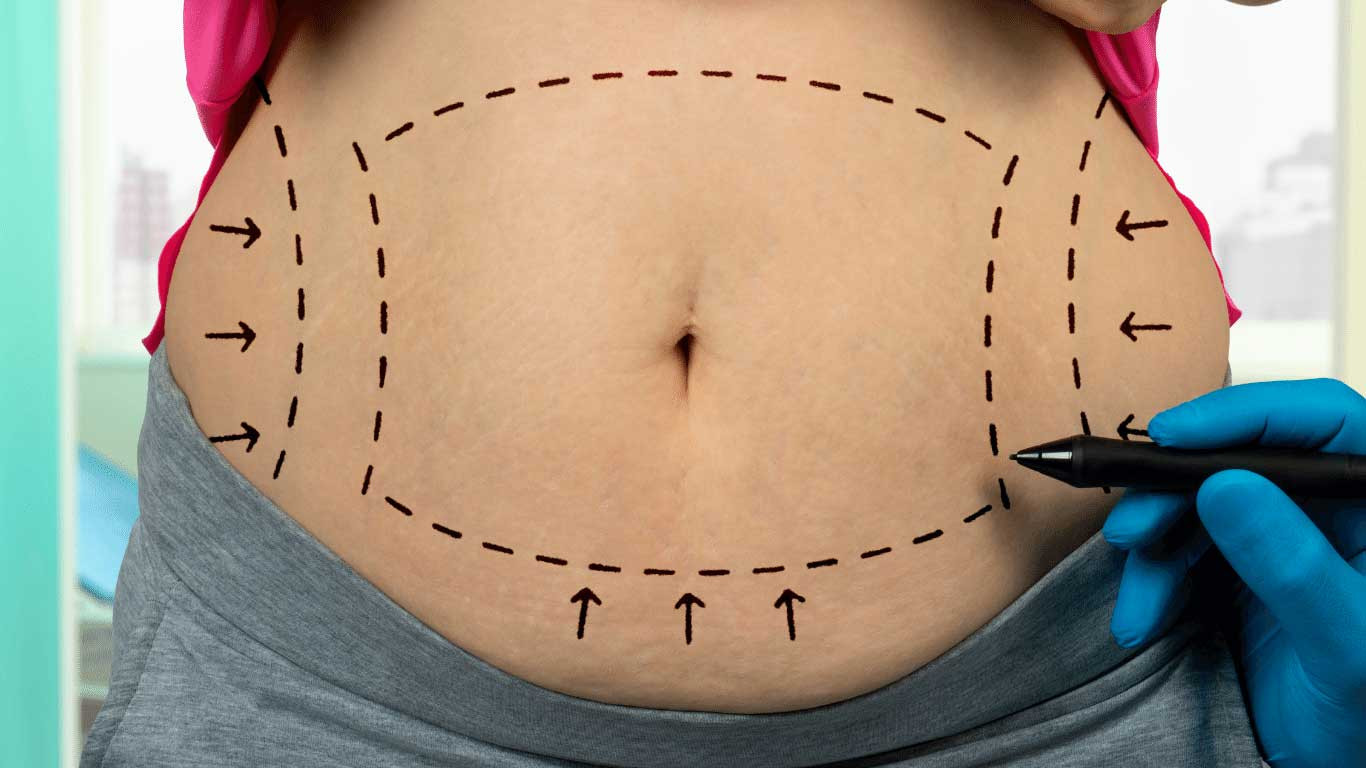
Liposuction is a versatile procedure that can be used on various parts of the body to achieve a more contoured and proportionate figure. Common treatment areas include:
- Abdomen and Waist: This is one of the most popular areas for liposuction, targeting love handles and belly fat.
- Thighs: Both the inner and outer thighs can be treated to reduce chafing and create a smoother silhouette.
- Arms: Liposuction on the upper arms can help reduce fat pockets and create a more toned appearance.
- Back and Bra Rolls: This procedure can address unwanted fat on the back, especially around the bra line.
- Chin and Neck: Liposuction is an effective way to remove a double chin and define the jawline.
- Hips and Buttocks: Contouring these areas can help create a more balanced and aesthetically pleasing shape.
Types of Liposuction Techniques
Riyadh's clinics offer various liposuction techniques, each with its own advantages. A consultation with a qualified plastic surgeon is essential to determine the best approach for your specific needs.
- Tumescent Liposuction: This is a widely used and classic method. A solution containing saline, an anesthetic, and a medication to constrict blood vessels is injected into the fatty tissue. This makes the fat easier to remove, minimizes bleeding and bruising, and provides local anesthesia to the area.
- VASER Liposuction (Ultrasound-Assisted): VASER is an advanced technique that uses ultrasonic waves to liquefy fat cells before they are suctioned out. This method is known for its precision, as it selectively targets fat while preserving surrounding tissues like nerves and blood vessels. It often results in smoother contours and can lead to a quicker recovery.
- Laser-Assisted Liposuction (e.g., Smartlipo): This technique uses a laser fiber to deliver thermal energy that melts the fat cells. The liquefied fat is then removed with a small cannula. A key benefit of laser liposuction is that the heat from the laser can also stimulate collagen production, which may lead to skin tightening.
- Power-Assisted Liposuction (PAL): PAL uses a vibrating cannula to break up fat cells, making them easier and quicker for the surgeon to remove. This can reduce the time of the procedure and allow for more precise sculpting, particularly in areas with dense fibrous tissue.
- BodyTite Liposuction: This procedure combines liposuction with radiofrequency energy to melt fat and tighten the skin. It is often recommended for those with both unwanted fat and some degree of skin laxity, as it can achieve a higher percentage of skin contraction compared to traditional liposuction.
Surgical vs. Non-Surgical Options
While liposuction is a surgical procedure, it's worth noting that non-surgical fat removal options are also available in Riyadh. These are typically for smaller, more localized fat deposits and may require multiple sessions.
- Surgical (Liposuction): Provides a dramatic and permanent removal of a larger volume of fat in a single session. Ideal for body sculpting and significant contouring.
- Non-Surgical (e.g., CoolSculpting, Eximia Treatment): Uses technologies like controlled cooling (Cryolipolysis) or radiofrequency to destroy fat cells gradually. These options require no downtime but are generally less effective for large areas and may not provide the same dramatic results as liposuction.
What to Expect During the Procedure
Regardless of the technique, liposuction typically involves:
- Consultation: A thorough discussion of your goals, medical history, and the best plan for you with a board-certified plastic surgeon.
- Anesthesia: The procedure can be done under local anesthesia with sedation or general anesthesia, depending on the extent of the treatment.
- Incision and Fat Removal: Small, discreet incisions are made, and a cannula is inserted to loosen and suction out the fat.
- Recovery: You will need to wear a compression garment for several weeks to help reduce swelling and assist with the final contouring.
Choosing a highly qualified and experienced surgeon is crucial for achieving safe and satisfying results. Be sure to review their credentials, look at before-and-after photos, and have a clear understanding of the entire process from consultation to post-operative care.