

The hair transplant in Riyadh is similar to global standards for FUE and FUT procedures, focusing on protecting the delicate grafts and managing the expected phases of healing and hair growth.
Here is a detailed, phase-by-phase recovery timeline:
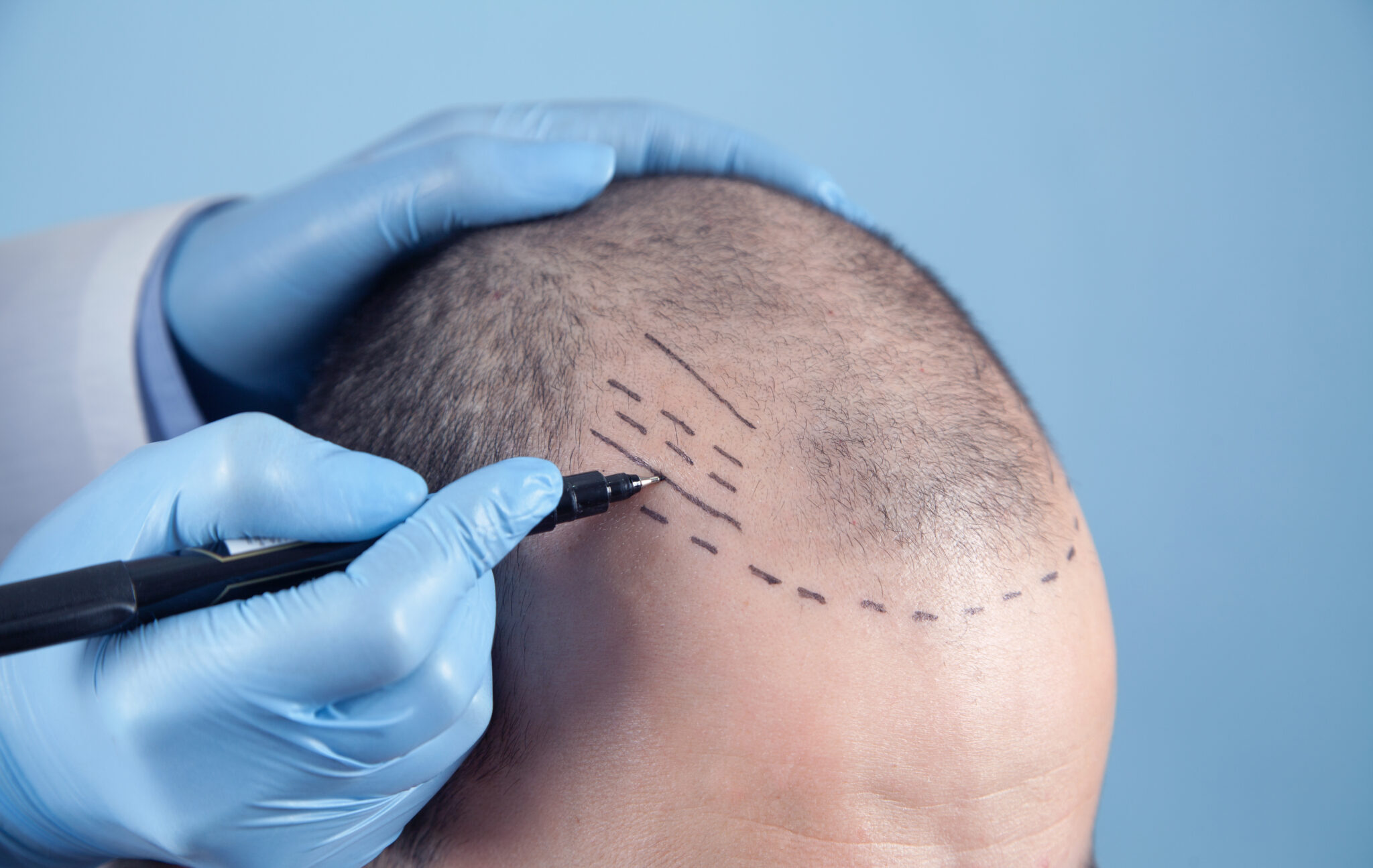
Phase 1: Immediate Healing and Protection (Days 1–14)
This is the most critical period for graft survival. Most Riyadh clinics provide an intensive post-operative care package (medications, special shampoos, and sometimes the first wash at the clinic).
Timeframe
What to Expect
Key Aftercare Instructions
Day 1 (Post-Op)
Swelling: Mild swelling on the forehead, sometimes moving down to the eyes, which subsides in 3–5 days. Redness & Scabbing: Tiny red spots and scabs form around each transplanted follicle (recipient area) and pinprick wounds (donor area for FUE) or a linear suture line (FUT).
Protection is Paramount: Sleep with your head elevated (45-degree angle) for the first few nights to reduce swelling. Avoid Touching: Do not touch, rub, or scratch the recipient area.
Days 2–7
Discomfort: Mild soreness, tightness, or numbness in the donor area. Washing: You will begin a very gentle washing routine (often day 3 or 4) using a special solution/shampoo provided by the clinic.
No Strenuous Activity: Avoid heavy lifting, intense exercise, and excessive sweating, as these can dislodge grafts or increase swelling. Sun/Dust: Avoid direct sunlight, dust, and wearing tight head coverings (a loose cap/bandana may be permitted after a few days).
Days 7–14
Scab Shedding: The small scabs in the recipient area begin to flake and fall off naturally. Graft Security: By day 10, the grafts are generally considered secure and permanent.
Gentle Washing: Continue the prescribed gentle washing to help shed all remaining scabs by day 14. Return to Work: Most desk-job patients can return to work once the visible scabs have cleared (usually days 7–10). Strenuous jobs require a full 14 days.
Export to Sheets
Phase 2: Dormancy and Shock Loss (Weeks 3–12)
This phase requires patience as the scalp heals and the follicles enter a resting state.
Timeframe
What to Expect
Notes
Weeks 2–8
"Shock Loss": This is a normal, expected phase where most, or even all, of the transplanted hair shafts fall out. The hair follicle roots remain safely beneath the skin. The appearance may temporarily look similar to pre-surgery.
Do Not Panic: This is a sign that the follicles are shedding the old hair and preparing for new, healthy growth. It is not a sign of failure.
Month 2–3
Scalp Heals: All redness and residual swelling should be completely gone. The scalp feels normal. Follicles Rest: The transplanted follicles are resting and preparing to start the growth cycle. Return to Normal: You can resume all normal activities, including heavy exercise, swimming, and wearing hats.
You are in the "waiting period." Your surgeon may prescribe growth-boosting products (like minoxidil or PRP therapy) during this time.
Export to Sheets
Phase 3: The Growth Phase (Months 4–12+)
This is the rewarding phase where you begin to see tangible results.
Timeframe
What to Expect
Notes
Month 4–6
New Growth Emerges: Fine, thin, 'peach fuzz' hairs start to emerge from the transplanted follicles. They may look sparse and feel wispy at first. Noticeable Density: By month 6, the new growth becomes more noticeable, and you should see a clear difference in coverage.
The new hairs will be thin and often lighter in color initially. They gradually thicken and mature over the next several months.
Month 7–9
Rapid Maturation: The new hairs thicken, gain color, and start to grow at a faster rate. Density Improvement: You will see a significant improvement in density and coverage. The new hair will be long enough to comb and style.
This is when most patients feel a major confidence boost and are happy with their visible progress.
Month 10–12
Final Result: The transplanted hair has achieved about 80% to 90% of its final length and thickness. It blends seamlessly with the existing hair.
Most clinics conduct a final follow-up and assessment at the one-year mark.
Months 12–18
Full Maturity: The hair continues to thicken and mature until it reaches its final density and texture.
Full, final results are typically realized by 18 months, especially for crown or higher-density cases.
Export to Sheets
Returning to Work in Riyadh
The timing for returning to work largely depends on the visibility of the procedure and your job type:
Activity / Job Type
Recommended Return Time
Reason
Remote/Desk Work
3–5 Days
Minimal physical exertion and the option to wear a loose-fitting cap or work from home.
Client-Facing/Office Work
7–10 Days
To allow time for the visible scabbing and crusting to completely disappear, making the procedure less noticeable.
Heavy Manual Labor/Gym
14 Days
To avoid high blood pressure or excessive sweating that can dislodge grafts or increase the risk of infection.