

Yes, a hair transplant in Riyadh—or anywhere else—is generally considered a permanent solution for the hair that is transplanted.
This is based on a fundamental principle of hair restoration called "donor dominance."
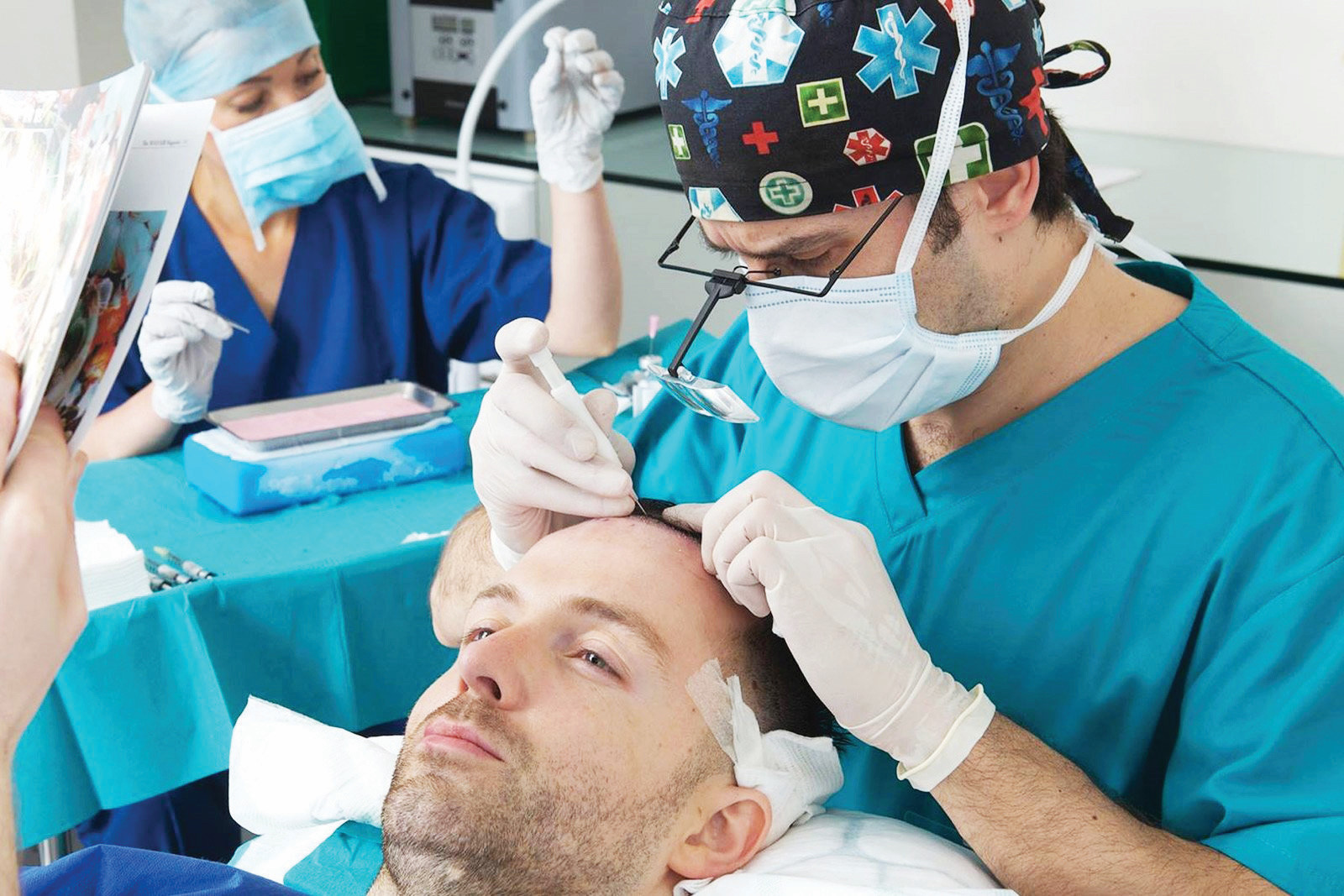
1. The Reason for Permanence
The transplanted hair follicles are harvested from the "donor area," which is typically the back and sides of your head. The hair in these areas is genetically resistant to the hormone (DHT) that causes pattern baldness.
When these resistant follicles are moved to the balding areas (the "recipient area"):
- They retain their genetic resistance. They will continue to grow and behave as if they were still in the donor area, meaning they are permanent and will not fall out due to genetic pattern baldness.
- They grow naturally. Once the new hair grows in (which takes about 6-12 months after the procedure), you can cut, wash, and style it normally. It will also grey naturally with age, just like the rest of your hair.
2. The Nuance: Ongoing Hair Loss
While the transplanted hair is permanent, the procedure does not stop your existing native hair in non-transplanted areas from continuing to thin or fall out due to the natural progression of your genetic hair loss.
This is the main reason why the overall appearance of your hair may change over time:
- Future Thinning: Years later, the hair surrounding the transplanted area may continue to recede, which can make the original transplant look unnatural or isolated.
- Preventative Medication: To address this, many reputable surgeons in Riyadh and globally recommend preventative medications (like Minoxidil or Finasteride) to help slow down or stop the loss of your existing native hair, thereby preserving the overall result and balance of your hairline.
- Potential for Touch-Ups: If your native hair loss continues significantly, you might choose to have a minor follow-up or "touch-up" procedure years later to add density to newly thinned areas and maintain a natural-looking transition.
In summary:
Aspect
Status
Notes
Transplanted Hair
Permanent
The follicles are genetically resistant and will continue to grow for a lifetime.
Existing Native Hair
Not Permanent
This hair will follow its original genetic pattern and may continue to thin over time.
Choosing an experienced and skilled surgeon is crucial to ensure the highest graft survival rate and an aesthetically planned result that anticipates future hair loss.