

Hair transplant in Riyadh are generally considered safe and provide permanent results for the transplanted hairs. Saudi Arabia, including Riyadh, features clinics that use modern, globally recognized techniques and experienced specialists.
Here is a breakdown of the safety and permanency of hair transplants in Riyadh:
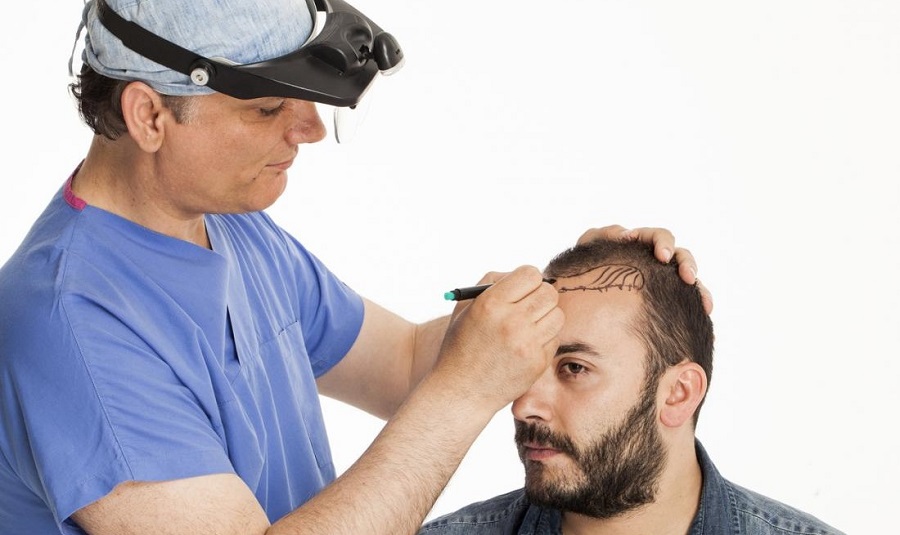
1. Safety of Hair Transplants in Riyadh
Modern hair transplant procedures, particularly FUE (Follicular Unit Extraction) and DHI (Direct Hair Implantation), are minimally invasive and considered very safe when performed by qualified professionals.
Key Safety Factors:
Factor
Detail
Minimally Invasive
FUE and DHI do not involve large incisions or general anesthesia. The procedure is performed under local anesthesia, which is a lower risk than general sedation.
Low Risk of Complications
The procedure has a generally low risk of complications. Most common side effects (swelling, redness, mild pain, and temporary scabbing) are minor, manageable with medication, and resolve within a few days to a couple of weeks.
Accredited Clinics
Top clinics in Riyadh operate in sterile, well-equipped environments and often employ surgeons with specialized training and certifications (like the American Board of Hair Restoration Surgery - ABHRS), ensuring adherence to high medical standards.
Temporary Side Effects
Shock Loss: A few weeks after the procedure, some transplanted hairs (and sometimes surrounding existing hairs) may temporarily fall out. This is a normal part of the process, and the new hair will regrow permanently.
Export to Sheets
To ensure safety, it is crucial to choose a surgeon who is experienced and works in an accredited medical facility.
2. Permanence of Hair Transplant Results
The results of a hair transplant are considered permanent for the relocated hairs.
Why Results Are Permanent:
- Donor Hair Resistance: Hair follicles for transplantation are typically harvested from the back and sides of the head. In most cases of male or female pattern baldness, the hair in these areas is genetically resistant to the hormone that causes hair loss (Dihydrotestosterone or DHT).
- Genetic Memory: Once these resistant follicles are moved to the balding area (the recipient area), they retain their genetic resistance and are expected to continue growing for a lifetime.
- High Success Rates: Reputable clinics in Riyadh often report high graft survival rates, typically in the range of 85% to 95%, meaning the vast majority of transplanted hairs will grow successfully.
Long-Term Considerations:
While the transplanted hair is permanent, two things can happen to the non-transplanted hair:
- Continued Hair Loss: Hair that was already present in the recipient area and not transplanted might continue to thin and fall out over the years if the underlying genetic cause is not managed (often treated with medications like Minoxidil or Finasteride).
- Need for Future Procedures: If the existing, non-transplanted hair continues to thin, a patient may eventually need a small second "touch-up" procedure to maintain density and blend with the permanent transplanted hair.
Timeline for Results:
- Months 1-3: Initial shedding of transplanted hair (Shock Loss).
- Months 4-6: New hair growth begins, appearing fine and wispy at first.
- Months 6-12: Significant growth and thickening occur.
- Months 12-18: The final, mature result is visible, with full density and natural texture.