

Hair transplants in Riyadh are a significant and growing area within the city's aesthetic and medical landscape. While male pattern baldness often presents with a receding hairline and bald spots, female hair loss usually manifests as diffuse thinning across the scalp, a widening part, or a general reduction in hair density. This difference in hair loss patterns means that female hair transplants often require a more nuanced and specialized approach.
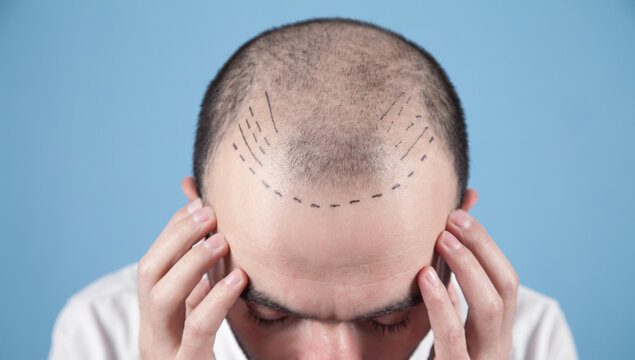
Key Considerations for Female Hair Transplants in Riyadh:
- Diagnosis is Crucial: Before considering a hair transplant, a thorough diagnosis of the cause of hair loss is paramount for women. Female hair loss can be due to various factors, including:
- Androgenetic Alopecia (Female Pattern Hair Loss): The most common cause, similar to male pattern baldness but presenting differently.
- Telogen Effluvium: Excessive shedding often triggered by stress, illness, childbirth, or medication.
- Traction Alopecia: Hair loss caused by constant pulling on the hair follicles (e.g., tight hairstyles).
- Alopecia Areata: An autoimmune condition causing patchy hair loss.
- Thyroid issues, nutritional deficiencies (iron, vitamin D), hormonal imbalances, and certain medications. A specialist will perform a detailed examination, possibly including blood tests or scalp biopsies, to determine the underlying cause and ensure a transplant is the appropriate solution.
- Donor Area Evaluation: Unlike men, women often have diffuse thinning, which can affect the traditional donor areas (back and sides of the scalp). A critical assessment of the stability and density of the donor hair is essential to ensure there are enough healthy follicles to transplant for a natural-looking and lasting result.
- Techniques Used:
- Follicular Unit Extraction (FUE): This is generally the preferred method for women. It involves extracting individual hair follicles and implanting them. For women, it's often done with minimal or no shaving of the donor area, or "unshaven FUE," to maintain existing hair length and provide a more discreet procedure. This allows women to return to their daily lives without an obvious shaved area.
- Follicular Unit Transplantation (FUT): While less common for women due to the linear scar, it may be considered for larger areas of thinning if the patient prefers to avoid shaving any part of their head. However, the scar can be a significant concern for women who wear their hair up or prefer shorter styles.
- Direct Hair Implantation (DHI): A variation of FUE that offers precise control over angle, depth, and direction, which is particularly beneficial for creating a natural hairline and increasing density in specific thinning areas.
- Hairline Design and Density: Female hair transplants often focus on improving overall density rather than creating a completely new hairline. Surgeons pay close attention to the natural angle and direction of existing hair to achieve a seamless and natural blend. The goal is to reduce the visibility of the scalp and create a fuller appearance.
- Realistic Expectations: It's important for women to have realistic expectations about the outcomes. While hair transplants can significantly improve density and cover thinning areas, they may not result in the same thickness as a full, natural head of hair. The success depends on the available donor hair and the individual's hair loss pattern.
Prominent Clinics in Riyadh Offering Female Hair Transplants:
Many reputable clinics in Riyadh specialize in hair restoration for both men and women. Look for clinics that specifically mention their expertise in female hair transplants and offer a range of techniques. Some clinics that are well-regarded for their hair transplant services and are likely to cater to women include:
- Enfield Royal Saudia: