

Heart failure is a chronic condition where the heart cannot pump blood efficiently enough to meet the body’s needs. It does not mean that the heart has stopped working, but rather that its pumping power is weaker than normal. This condition can significantly affect daily life, but with timely diagnosis, proper care, and guidance from an experienced Cardiologist in Jaipur, patients can live healthier, longer lives.
What is Heart Failure?
Heart failure occurs when the heart muscle is damaged or weakened. This reduces its ability to circulate blood, resulting in a buildup of fluid in the lungs, legs, or abdomen. Heart failure can develop gradually (chronic heart failure) or occur suddenly (acute heart failure).
Common causes include:
- Coronary artery disease (blockages in heart arteries)
- High blood pressure
- Previous heart attack
- Diabetes
- Valvular heart disease
- Cardiomyopathy (weak heart muscle)
Symptoms of Heart Failure
Heart failure often goes unnoticed in its early stages. As the condition progresses, patients may experience:
- Shortness of breath, especially during exertion or while lying flat
- Fatigue and weakness
- Swelling in the ankles, feet, legs, or abdomen (edema)
- Rapid or irregular heartbeat
- Persistent cough or wheezing with white or pink blood-tinged mucus
- Sudden weight gain due to fluid retention
- Difficulty concentrating or reduced alertness
If you notice these symptoms, seeking care from a trusted Heart Specialist in Jaipur is crucial for timely diagnosis and treatment.
Types of Heart Failure
Understanding the type of heart failure is important for treatment:
- Left-sided Heart Failure – The most common type, where the left ventricle is unable to pump effectively.
- Right-sided Heart Failure – Often caused by left-sided failure, leading to fluid buildup in the abdomen, legs, and liver.
- Systolic Heart Failure – The heart cannot contract strongly enough.
- Diastolic Heart Failure – The heart muscle becomes stiff and cannot fill properly.
An experienced Heart Doctor in Jaipur will run diagnostic tests to determine the exact type and guide treatment.
Diagnosis of Heart Failure
Diagnosing heart failure involves a combination of medical history, physical examination, and advanced tests, including:
- Echocardiography (2D Echo) – Measures heart’s pumping ability (ejection fraction)
- Electrocardiogram (ECG) – Detects abnormal rhythms
- Chest X-ray – Identifies heart enlargement or fluid in lungs
- Blood Tests – Check for kidney/liver function and BNP levels (a marker of heart failure)
- Stress Test (TMT) – Evaluates heart performance under exertion
- Coronary Angiography – Detects blockages in coronary arteries
Treatment Options for Heart Failure
Treatment focuses on improving heart function, reducing symptoms, and preventing hospitalizations.
1. Lifestyle Modifications
- Low-salt, heart-healthy diet
- Regular but safe exercise
- Quitting smoking and alcohol
- Managing stress with relaxation techniques
- Monitoring daily weight to track fluid retention
2. Medications
Doctors may prescribe medicines such as:
- ACE inhibitors or ARBs – Relax blood vessels and improve heart function
- Beta-blockers – Reduce heart rate and blood pressure
- Diuretics – Help eliminate excess fluid and reduce swelling
- Aldosterone antagonists – Provide added protection for heart function
3. Interventional and Advanced Treatments
- Coronary Angioplasty and Stenting – To open blocked arteries
- Pacemaker or ICD (Implantable Cardioverter-Defibrillator) – For rhythm correction and heart support
- Cardiac Resynchronization Therapy (CRT) – Improves heart pumping coordination
- Valve Surgery – For patients with valvular heart disease
- Heart Transplant Evaluation – In severe, end-stage cases
Living with Heart Failure
With proper treatment and follow-up, patients can still lead fulfilling lives. A Cardiologist in Jaipur will provide guidance on diet, physical activity, medication adherence, and routine monitoring. Patients should:
- Keep blood pressure, cholesterol, and diabetes under control
- Take medications regularly without skipping doses
- Report any new or worsening symptoms promptly
- Attend follow-up appointments as scheduled
Choosing the Right Specialist
Managing heart failure requires not only medical expertise but also a holistic, patient-centered approach. A highly qualified Heart Failure Treatment Doctor in Jaipur provides:
- Early and accurate diagnosis
- Evidence-based medical care
- Advanced interventional expertise
- Long-term follow-up and preventive guidance
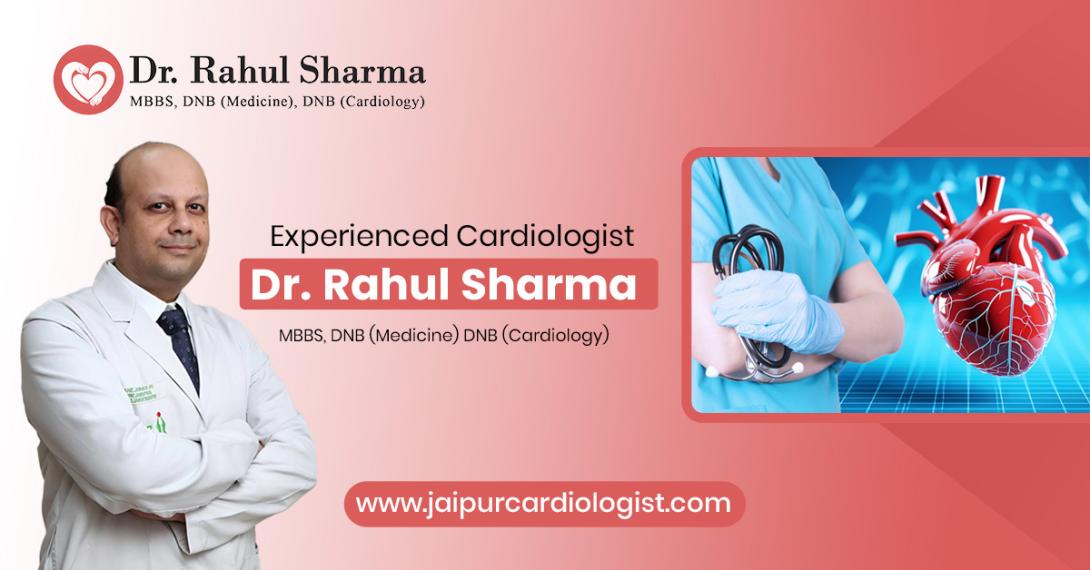
Dr. Rahul Sharma, a leading Cardiologist in Jaipur with over 20 years of experience, specializes in treating heart failure, coronary artery disease, arrhythmias, and other complex cardiac conditions. He is associated with Fortis Escorts Hospital and also consults at Medinova Superspeciality Clinic in Jaipur, offering patients world-class treatment and compassionate care.
Final Thoughts
Heart failure may sound overwhelming, but with timely intervention, effective treatment, and the right lifestyle adjustments, patients can significantly improve their quality of life.
If you or your loved one has symptoms such as persistent breathlessness, fatigue, or swelling, don’t delay medical attention. Consult an experienced Heart Specialist in Jaipur like Dr. Rahul Sharma, who combines advanced cardiology expertise with personalized care to deliver the best outcomes.