

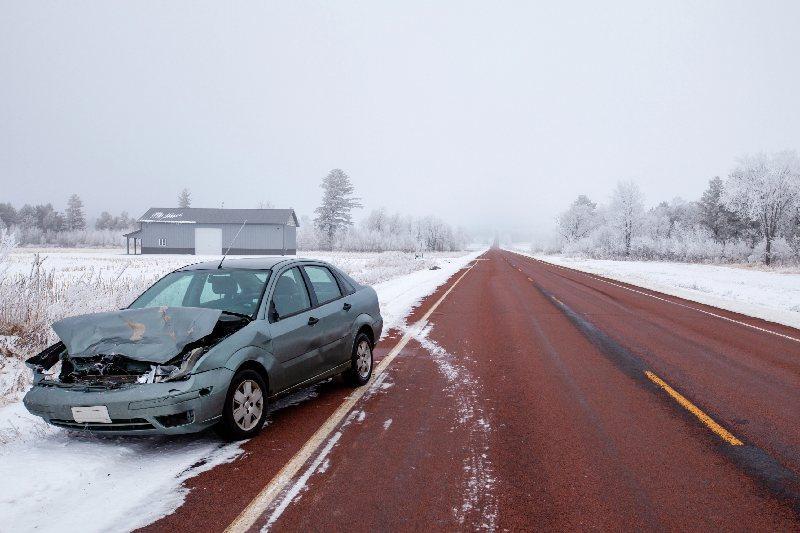
Driving through Essex County offers scenic suburban views, but it also brings a common seasonal hazard: white-tailed deer. Whether you are driving along Route 10, South Livingston Avenue, or navigating the winding stretches near East Hill, animal crossings happen in an instant. A sudden collision with a deer is jarring, stressful, and capable of causing severe damage to your vehicle.
If you hit a deer on a local road, taking the correct immediate steps ensures your physical safety, simplifies your insurance claim, and helps you restore your vehicle properly.
At Livingston Collision, we provide comprehensive auto body shop Livingston NJ services, helping local drivers navigate the post-accident process from scene safety to final structural repairs.
Immediate Steps to Take Right After Hitting a Deer
The moments following an animal impact can feel overwhelming. Staying calm and following a systematic checklist keeps you safe and protects your financial interests.
POST-COLLISION CHECKLIST
- Pull Over safely to the shoulder & turn on hazards
- Check for injuries and remain inside your vehicle
- Call the Livingston Police Department (973-992-3000)
- Photograph vehicle damage, road conditions, and scene
- File a formal police report for insurance records
Here is a breakdown of what to do on the side of the road:
1. Safely Move Your Vehicle and Call Authorities
Pull over to the shoulder or a safe turnout as quickly as possible and switch on your hazard lights. Avoid getting out of the car if you are on a busy roadway or in dark conditions.
Contact the Livingston Police Department or call 911 if anyone is injured or if your vehicle blocks traffic. A formal police report creates official documentation that insurance companies require when processing claims for car damage from deer Livingston NJ.
2. Never Approach the Animal
An injured deer is unpredictable, powerful, and frightened. Approaching a wounded animal risks severe physical injury from sharp hooves or antlers. Stay inside your vehicle until police or animal control officers arrive to secure the scene.
3. Document the Incident Thoroughly
Before moving your car or leaving the area, gather comprehensive evidence using your smartphone camera:
- Take clear pictures of your vehicle from multiple angles, highlighting all front-end impact points.
- Photograph the surrounding road, street signs, weather conditions, and tire marks.
- Take close-up photos showing animal hair, biological trace, or fur embedded in the bumper, grill, or headlights. This evidence helps prove to your insurance adjuster that the damage stemmed from a wild animal strike rather than an unverified fixed object.
Know more https://livingstoncollision.com/hit-a-deer-livingston-nj-what-to-do-next/