

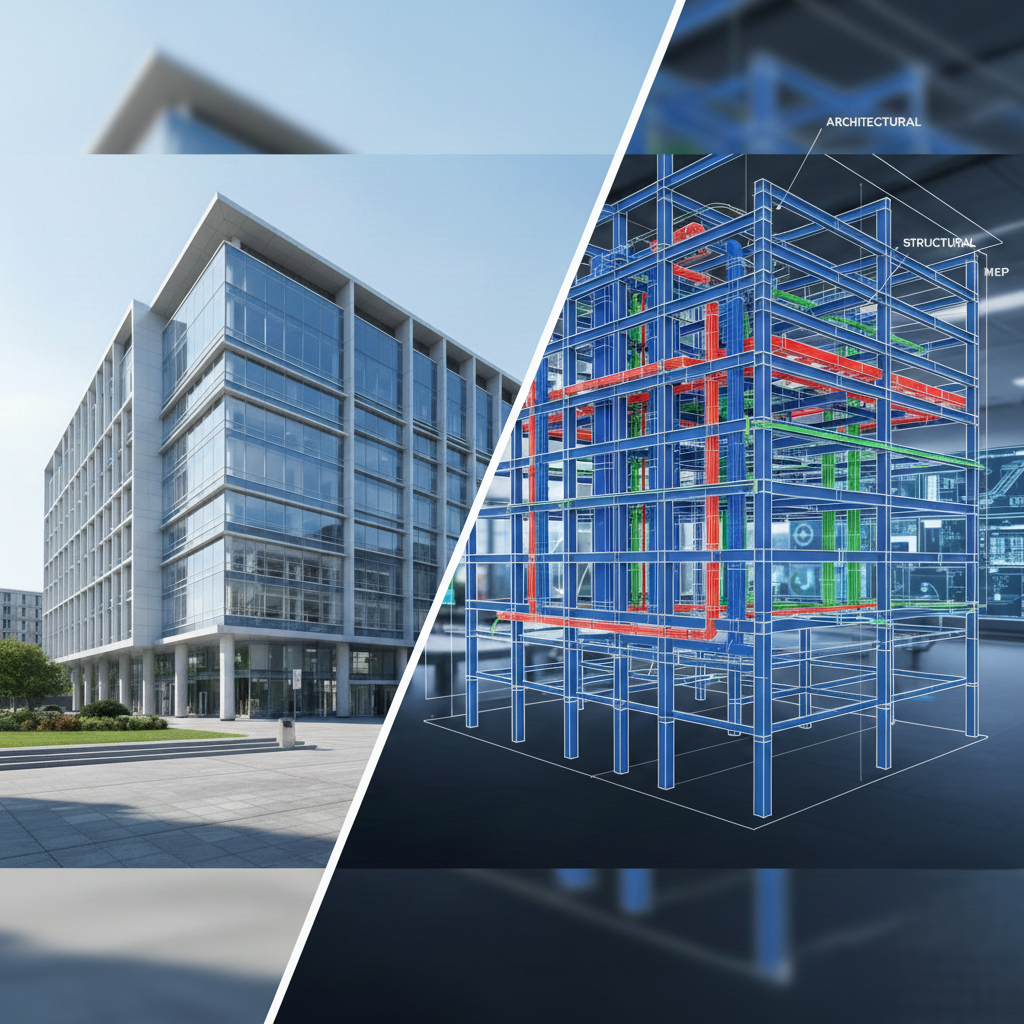
The construction industry is undergoing a digital transformation, driven by technologies that enhance efficiency, accuracy, and collaboration. Among these innovations, Augmented Reality (AR) has emerged as a powerful solution that bridges the gap between digital models and the physical jobsite. By overlaying virtual elements onto real-world environments, AR enables construction professionals to visualize, analyze, and execute projects with unprecedented precision.
What Is Augmented Reality in Construction?
Augmented Reality is a technology that integrates digital information—such as 3D models, measurements, and system layouts—into a live view of the physical environment through devices like smartphones, tablets, and AR headsets. In construction, AR connects Building Information Modeling (BIM) data with on-site conditions, allowing teams to see how digital plans align with real-world structures in real time.
Key Ways AR Is Transforming Construction
1. Advanced Project Visualization
AR allows architects, engineers, and clients to experience 3D building models within actual site environments before construction begins. This immersive visualization improves design clarity, enhances client presentations, and reduces misunderstandings early in the project lifecycle.
2. Real-Time Progress Monitoring
With AR, project teams can overlay digital models directly onto the construction site to verify dimensions, alignments, and system placements. This real-time comparison helps identify discrepancies early, reducing rework and preventing costly delays.
3. Faster On-Site Decision-Making
Construction projects often face unexpected challenges. AR enables instant visualization of design changes and on-site modifications, allowing teams to update and coordinate adjustments efficiently without lengthy back-and-forth communication.
4. Improved Collaboration
AR strengthens communication between office-based designers and field teams. Stakeholders can remotely review visual data, provide feedback, and make informed decisions, ensuring better coordination throughout the project lifecycle.
5. Enhanced Safety and Training
Safety is a top priority in construction, and AR supports immersive training programs and hazard simulations. Workers can visualize potential risks, practice procedures, and gain confidence in handling complex tasks within a controlled digital environment.
Beyond Visualization: Expanding AR Applications
AR also assists in identifying underground utilities, coordinating MEP systems, and guiding complex installations. By making hidden elements visible and accessible, AR reduces uncertainty and increases construction accuracy.
The Future of Augmented Reality in Construction
Although AR adoption still presents challenges such as hardware costs and technical integration, advancements in technology are making it increasingly accessible. As AR continues to integrate with BIM and other digital construction tools, it is poised to become a standard component of modern project delivery.
Augmented Reality is not just a futuristic concept—it is actively reshaping how construction projects are designed, managed, and executed. By improving visualization, collaboration, and safety, AR is paving the way for smarter and more efficient construction practices.