
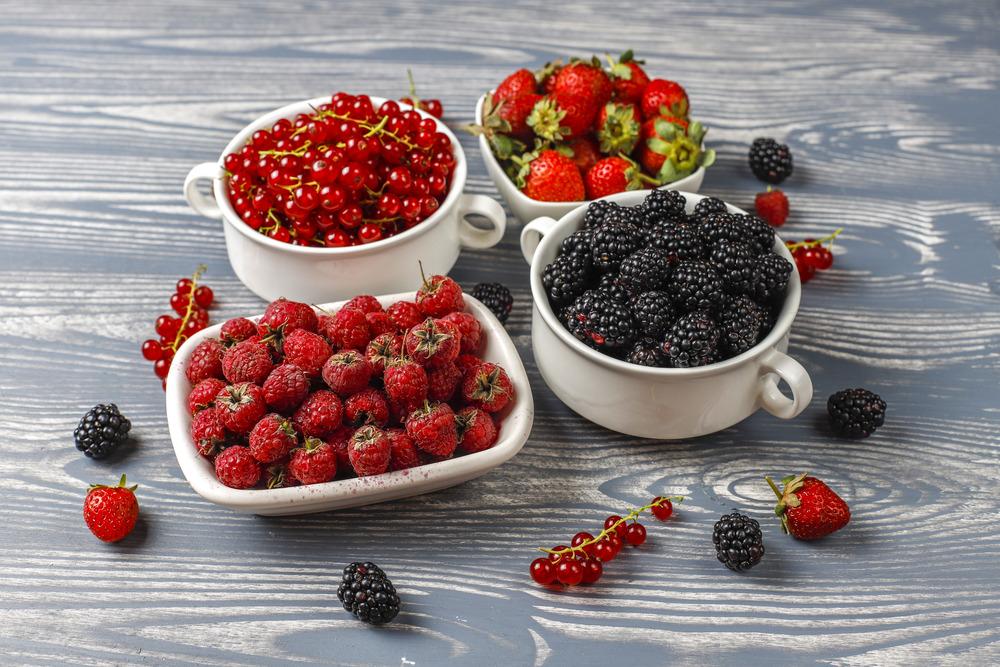
If you’ve ever dreamed of harvesting bowls of fresh berries right from your backyard, the San Francisco East Bay offers the perfect climate to make it happen. Late fall through early winter is the ideal time to plant berry bushes here, thanks to mild weather and steady seasonal rains that help plants root deeply before spring arrives. Whether you garden in San Leandro, Oakland, Alameda, Castro Valley, Hayward, or San Lorenzo, growing your own berries is absolutely within reach.
This guide walks you through planting, soil preparation, watering, pruning, and the best varieties for success.
Finding the Right Planting Location
Sun is the most important ingredient for productive berry plants. Aim for six to eight hours of direct light daily.
Blueberries
Blueberries appreciate full sun but don’t mind a bit of afternoon shade in hotter neighborhoods. They thrive when their soil stays evenly moist and drains well. Raised beds 8–12 inches tall prevent soggy roots and keep them happy.
Brambles (Blackberries, Boysenberries, Marionberries, Raspberries)
These vigorous canes insist on excellent drainage. Avoid low spots where water lingers after rain. If drainage is questionable, build raised ridges or mounds at least 10 inches high.
Preparing Your Soil for Success
Clay-heavy soils are common across the East Bay, so amending your soil is key.
Blueberries
Blueberries require acidic soil, which our native clay lacks. Mix in a generous amount of acidic planting mix—about one 1.5 cu-ft bag per plant—into a planting area about 30 inches wide and 12 inches deep. Don’t forget to add a soil acidifier yearly to keep pH levels in their comfort zone.
Brambles
Before planting, break up the top 7–8 inches of soil and blend in rich organic matter such as GreenAll Planting Mix. Plant your brambles 1–2 inches deeper than they were in their nursery pots. Skip fertilizer at first; after one month, apply a low-nitrogen berry or fruit-and-veggie fertilizer.
Dwarf Mulberries
Mulberries aren’t fussy but always appreciate compost-enriched soil. If growing in pots, use a high-quality potting mix with added organic material.
Growing Berries in Containers
Container gardening is a great option for patios, small yards, and renters.
Blueberries
These are some of the best berries for container growing, especially compact varieties. Large pots—such as half wine barrels—give full-sized types enough room to thrive.
Raspberries & Blackberries
Compact varieties can also adapt to pots, but you’ll need to manage their canes carefully through pruning and support.
Mulching: A Simple Step with Big Benefits
All berry plants benefit from 2–4 inches of mulch. Wood chips or bark help keep soil moist, insulate shallow roots, and enrich the soil as they break down. Add a fresh layer each spring to maintain coverage.
Watering for Healthy, Flavorful Fruit
Even moisture is the cornerstone of good berry harvests.
Blueberries
Keep soil consistently moist, never soggy. Drip irrigation is ideal for maintaining even hydration.
Brambles
During flowering and fruiting, regular watering boosts berry size and sweetness. Once mature, water every 7–10 days in warm weather, ideally in the morning to discourage disease.
Fertilizing Your Berries
Different berries have different nutritional needs.
Blueberries
Feed with fertilizers specifically designed for acid-loving plants. Avoid high-nitrogen blends.
Brambles
Go easy on fertilizer. Too much nitrogen can cause weak, disease-prone growth. Apply a low-nitrogen option about a month after planting.
Mulberries
A light application of a balanced organic fertilizer in spring works well.
Trellising & Pruning: Keeping Plants Under Control
Blueberries & Dwarf Mulberries
Both need only gentle shaping during winter. Remove crossing branches and keep the plant’s form open and manageable.
Blackberries, Boysenberries & Marionberries
Trellises are incredibly helpful. A simple setup using T-posts spaced 10–12 feet apart will hold their vigorous canes and make harvesting easier. Train new shoots along wires and remove extras.
Raspberries
Pruning depends on whether your variety fruits on new canes or old ones.
Primocane varieties (Caroline, Heritage Red, Fall Gold):
Cut all canes to the ground in early spring. The plant will produce one big late-summer crop.
Floricane varieties:
Leave the canes through winter, then remove them after they fruit. Thin new growth to 4–6 canes per square foot.
Recommended Varieties for East Bay Conditions
Blueberries
Southern Highbush types excel in our low-chill climate. Top choices include:
Sunshine Blue, Misty, Jewel, Jubilee, Sharpblue
Brambles
Reliable and productive favorites include:
Thornless Boysenberry, Black Satin Blackberry, Heritage Red Raspberry, Fall Gold Raspberry
Mulberries
Dwarf mulberries are compact, container-friendly, and produce abundant, sweet fruit.
Final Thoughts
Berries offer beauty, fragrance, pollinator appeal, and delicious harvests—all from plants that thrive in East Bay conditions with the right care. Prepare your soil well, water consistently, choose climate-appropriate varieties, and prune thoughtfully, and you’ll enjoy years of plentiful, homegrown fruit.
Need personalized advice or plant recommendations? Stop by Evergreen Nursery in San Leandro—we’re always happy to help you create a backyard berry patch that thrives.