

The short answer is: Yes, the Hydrafacial is generally considered safe and effective for virtually all skin types and tones, and this holds true in Riyadh's clinics.
The unique benefit of the Hydrafacial treatment in riyadh which makes it suitable for diverse skin types, is its customizable nature and non-abrasive approach compared to older resurfacing treatments.
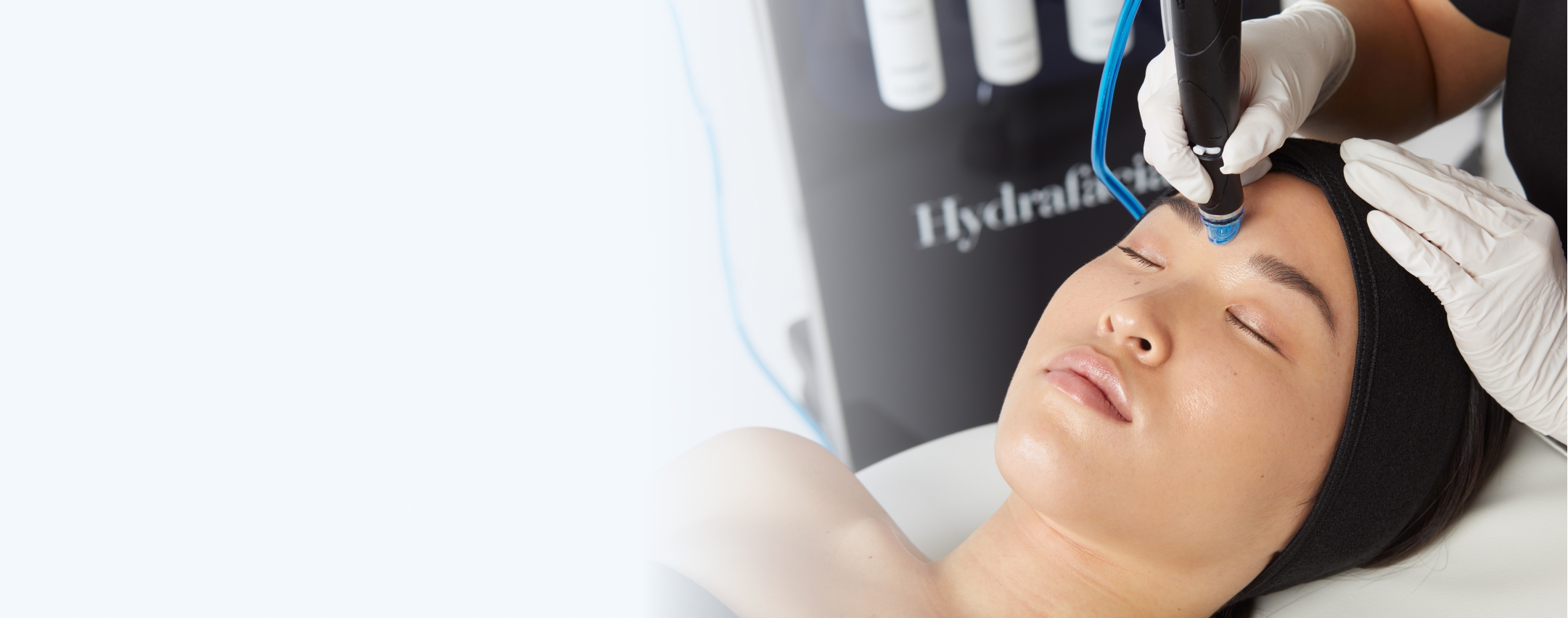
Key Reasons Why It's Safe for Most Skin Types
Skin Type
Why Hydrafacial is Safe/Effective
Customization in Riyadh Clinics
Sensitive Skin
Uses a patented vortex-fusion technology, which is less harsh than traditional microdermabrasion. The peel solutions are mild and can be customized.
The aesthetician can use lower suction and choose milder serums, often including specific soothing boosters.
Acne-Prone/Oily Skin
It uses Salicylic and Glycolic acids to deeply clean pores and extract impurities without painful manual squeezing.
Specialized acne boosters and Blue LED light therapy are often added to target and kill acne-causing bacteria.
Dry Skin
The final step infuses the skin with intensive hydration, including hyaluronic acid, peptides, and antioxidants.
The focus will be on maximizing hydration and protection serums to combat the arid climate of Riyadh.
Aging Skin
The exfoliation and serum infusion help reduce the appearance of fine lines and wrinkles while promoting firmness.
Anti-aging boosters containing growth factors and peptides can be added for enhanced results.
Export to Sheets
Important Contraindications and Precautions
While it is safe for most people, there are specific conditions where a Hydrafacial should be avoided or postponed. Reputable clinics in Riyadh will screen for these during your consultation:
Condition
Why the Treatment Should be Avoided
Severe/Cystic Acne
The suction may irritate or spread the infection in areas of severe inflammation, open sores, or active rosacea flare-ups.
Recent Sunburn
The skin is already compromised and sensitive; the exfoliation process could cause significant irritation.
Pregnancy/Breastfeeding
While the risk is low, there is a general precaution against using certain chemical ingredients during this time.
Use of Accutane (Isotretinoin)
Your skin is significantly thinned and sensitized. Most clinics require you to be off this medication for 6-12 months before treatment.
Allergy to Ingredients
You must disclose any known allergies, especially to shellfish (due to glucosamine) or aspirin (due to salicylic acid).
Export to Sheets