

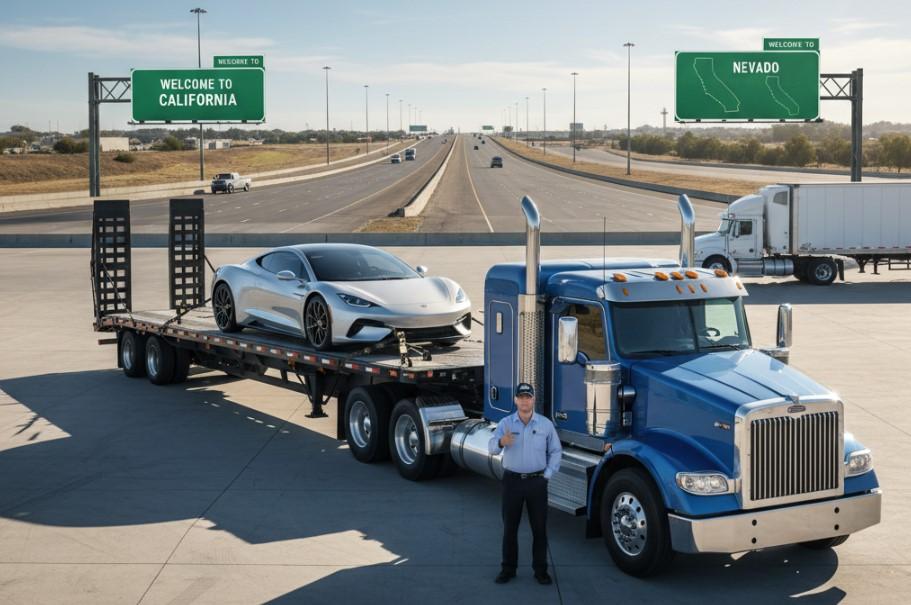
When relocating to a different state or purchasing an automobile from another state, the question frequently arises, “Is it less expensive to ship the car to another state or just drive it?” The answer is not always simple as it relies on numerous factors such as distance, vehicle nature, personal conditions, and shipping choices. The guide delves into every detail associated with long-distance car shipping, gives advice on how to find the most affordable car shipping services, and answers frequent inquiries to assist you in making the right choice.
Understanding Car Shipping Costs
Shipping a car across state lines may seem expensive at first glance, but when compared to the costs of driving long distances, it can sometimes be surprisingly affordable. The cost of shipping a car depends on multiple factors:
- Distance: Naturally, longer distances cost more. A short 200-mile trip may be cheaper to drive, while a 2,000-mile trip might make shipping more cost-effective.
- Vehicle Size and Type: Larger vehicles, SUVs, and trucks weigh more and occupy more space, increasing shipping costs.
- Transport Type: Open carriers are cheaper, while enclosed carriers cost more due to added protection.
- Seasonality: Peak moving seasons, such as summer months, can raise prices due to higher demand.
- Pickup and Delivery Locations: Urban areas with easy access are usually less expensive than remote locations.
- Timing and Urgency: Expedited shipping can significantly increase costs.
By understanding these factors, you can evaluate whether driving your car or shipping it is the cheaper and more convenient option.
Driving vs. Shipping: A Cost Comparison
When deciding whether to ship a car to another state, it’s essential to consider the total cost of driving versus shipping.
Costs of Driving
- Fuel: Long-distance driving can consume hundreds of dollars in gas, depending on mileage and fuel efficiency.
- Lodging and Food: Multi-day trips may require overnight stays and meals, adding to expenses.
- Wear and Tear: Every mile you drive reduces your car’s value and may increase maintenance costs.
- Time: Driving across states can take several days or even weeks, which may not be feasible for busy schedules.
Costs of Shipping
Shipping a car professionally offers several advantages:
- Avoid wear and tear on your vehicle.
- No added mileage, preserving resale value.
- Safe and insured transport.
While shipping costs vary, the cheapest car shipping services can be surprisingly affordable, especially for long distances. For instance, shipping on an open carrier with flexible scheduling can cost significantly less than paying for fuel, lodging, and time off work for a multi-day drive.
Types of Car Shipping Methods
When evaluating the cheapest way to transport your car, it’s important to understand the main shipping options.
1. Open Carrier Shipping
The most common and budget-friendly option, open carrier shipping transports your vehicle on an exposed trailer.
Pros:
- Lowest cost.
- Widely available.
- Fast and efficient scheduling.
Cons:
- Exposure to weather and road debris.
- Minor scratches or dust are possible.
For most standard vehicles, this method provides the best balance between cost and safety.
2. Enclosed Carrier Shipping
This method protects your car by transporting it inside a covered trailer.
Pros:
- Ideal for luxury, classic, or high-value vehicles.
- Protects against weather and road debris.
Cons:
- Significantly higher cost than open transport.
- Limited availability in some areas.
Enclosed carriers are excellent for vehicle protection but not the cheapest option.
3. Terminal-to-Terminal Shipping
In terminal-to-terminal shipping, you drop off and pick up your vehicle at designated terminals rather than door-to-door.
Pros:
- Lower cost than door-to-door shipping.
- Convenient if terminals are accessible.
Cons:
- Requires personal transportation to and from terminals.
- Limited to cities with terminals.
Terminal-to-terminal is a great choice for cost-conscious individuals.
4. Door-to-Door Shipping
This service picks up and delivers your car directly from your home or business to the destination.
Pros:
- Convenient and stress-free.
- No need to travel to a terminal.
Cons:
- More expensive than terminal-to-terminal shipping.
- Costs vary depending on location and accessibility.
Door-to-door service is convenient but usually not the cheapest way to ship a car.
Tips for Finding the Cheapest Car Shipping Services
Even if you need to ship a car across state lines, there are ways to reduce costs without sacrificing safety:
- Compare Multiple Quotes: Getting quotes from several shipping companies ensures competitive pricing.
- Choose Open Carrier Transport: This is typically the most budget-friendly shipping method.
- Be Flexible with Dates: Shipping companies often offer discounts if you can adjust your pickup and delivery dates around their existing routes.
- Consider Terminal-to-Terminal Shipping: If convenient, it can save hundreds of dollars.
- Avoid Expedited Shipping: Standard delivery is more affordable than rush services.
- Look for Discounts: Military, student, or repeat customer discounts can reduce costs further.
Following these tips helps you access the cheapest car shipping services without compromising on reliability.
Preparing Your Car for Shipping
Proper preparation can save money and prevent damage during transport:
- Clean the Vehicle: Ensures accurate inspection and avoids disputes over pre-existing damage.
- Remove Personal Items: Most shipping companies do not allow personal items inside the vehicle. Extra weight may also increase costs.
- Document Existing Damage: Take photos of scratches, dents, and other imperfections.
- Maintain Low Fuel Levels: Usually a quarter tank is recommended to reduce weight.
- Check Mechanical Condition: Non-operational vehicles may require specialized transport, which can cost more.
Proper preparation ensures smooth shipping and avoids unnecessary charges.
FAQs About Shipping Cars to Another State
Is it always cheaper to ship a car than drive it?
Not always. For short distances (under 300 miles), driving may be cheaper. For long distances, shipping often saves money when factoring in fuel, lodging, wear and tear, and time.
How long does it take to ship a car across state lines?
Transit times vary depending on distance, transport method, and weather. Short trips may take 1-3 days, while cross-country shipments may take 7-10 days.
Can I ship a non-running vehicle?
Yes. Some companies specialize in transporting non-operational cars, though it may require specialized equipment and cost slightly more.
Is car shipping insured?
Reputable shippers provide insurance coverage. Be sure to review the policy for coverage limits and deductibles.
How can I find the cheapest car shipping services?
Use open carriers, compare multiple quotes, schedule flexibly, and consider terminal-to-terminal shipping for the most cost-effective option.
Final Thoughts
So, is it cheaper to ship a car to another state? The answer depends on your distance, vehicle type, and personal circumstances. While driving may be cheaper for very short trips, professional shipping often saves money and time for longer distances, especially when using budget-friendly options like open carrier or terminal-to-terminal transport.
Understanding your shipping options, preparation, and cost-saving strategies allows you to find the cheapest car shipping services without compromising safety. Shipping cars to another state doesn’t have to be expensive or stressful—proper planning ensures your vehicle arrives safely, on time, and within budget.