

Liposuction surgery in Riyadh follow international standards, with a strong emphasis on managing swelling and achieving the best final contour. The recovery timeline can vary based on the extent of the procedure (number of areas treated and volume of fat removed) and the specific technique used (e.g., VASER, Tumescent, or BodyTite).
Here is a general guide to the recovery time and essential care steps.
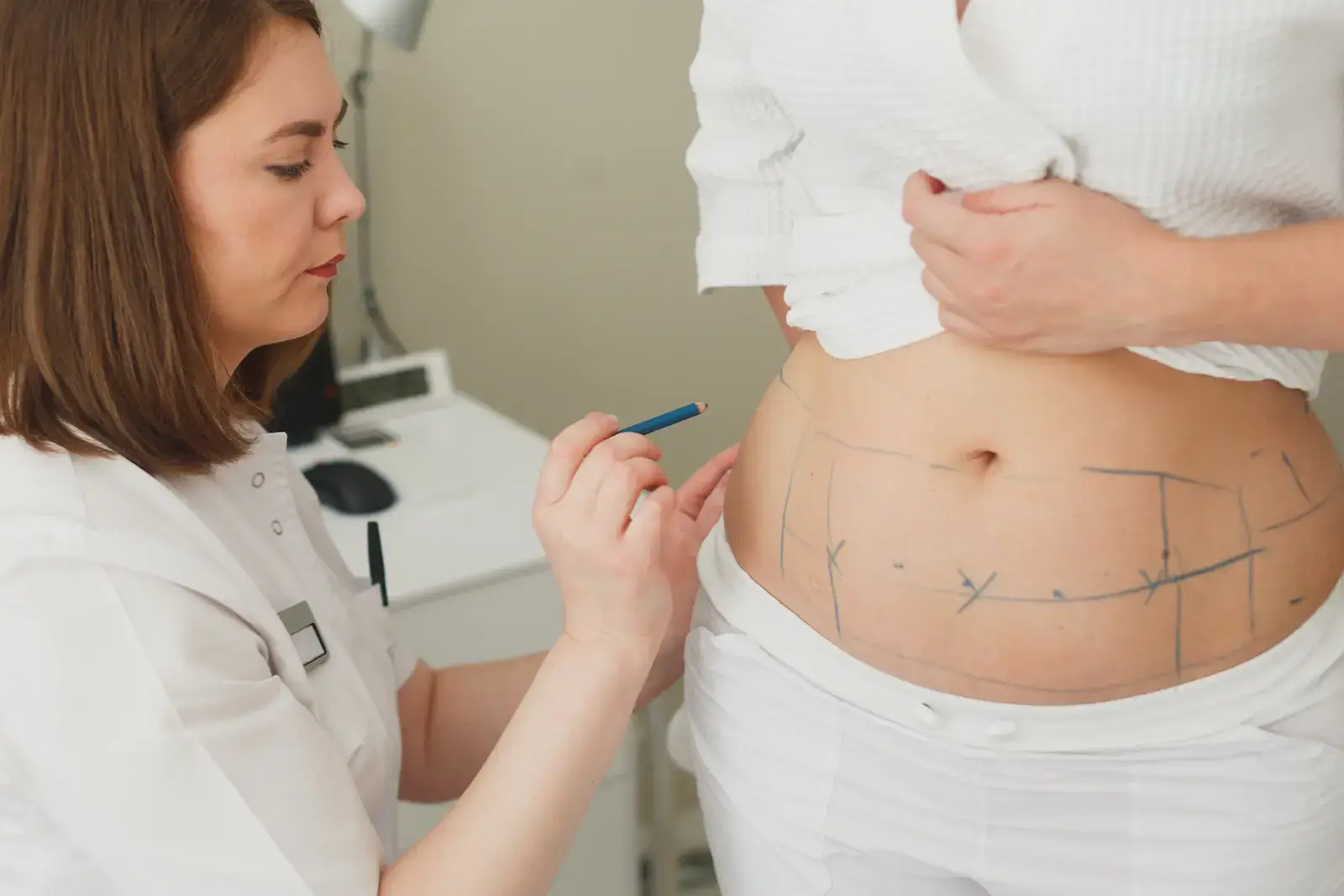
1. Liposuction Recovery Timeline
Timeframe
What to Expect
Activity Level & Care
Initial 1-3 Days
Peak Swelling & Discomfort. Mild to moderate pain, bruising, and some fluid drainage from incisions (which is normal and helps with swelling). You will feel groggy from the anesthesia.
Maximum Rest. You must have someone drive you home and assist you. Limit movement to light walking every few hours to prevent blood clots. Wear the compression garment 24/7. Take pain medication as prescribed.
1 Week
Pain and soreness begin to subside significantly. Most of the fluid drainage stops. Swelling and bruising are very noticeable but improving.
Return to Light/Desk Work. Most patients with non-physical, sedentary jobs can return to work. Continue light walking. Compression garment is still mandatory 24/7.
2-3 Weeks
Swelling and bruising continue to decrease. You feel much more mobile and less stiff.
Resume Light Activity. You can gradually resume light exercise (e.g., stationary cycling, fast walking). Avoid strenuous activity. Continue wearing the compression garment as instructed (often transitioning to wear during waking hours).
4-6 Weeks
Most swelling is gone, and the treated areas feel less firm. Your body begins to settle into its new shape.
Return to Full Exercise. You will likely be cleared by your surgeon to resume all normal activities, including heavy lifting and strenuous workouts. Compression garment use usually ends, or is transitioned to a stage-two garment.
3-6 Months
Final Results. Residual swelling fully resolves, and your skin adapts completely to the new contour. The final shape is visible.
Continue a healthy lifestyle to maintain results.
Export to Sheets
2. Essential Post-Operative Care (Riyadh Clinics)
Following your surgeon's specific instructions is the most critical factor for a smooth recovery and achieving optimal results.
A. Compression Garment Use
This is the most vital part of the recovery process.
- Purpose: The garment controls swelling, helps the treated skin contract, and encourages the skin to adhere smoothly to the underlying muscle, preventing fluid pockets (seromas).
- Duration: Typically worn 24 hours a day for the first 1–3 weeks, then often for 12-20 hours a day for weeks 3–6. Your surgeon will provide the exact timeline based on your procedure.
- Fit: It should be snug and apply firm, even pressure but must not be so tight that it restricts breathing or causes severe discomfort.
B. Activity and Movement
- Walking: Gentle walking is highly encouraged starting on the day of the surgery (with assistance) to promote circulation and significantly reduce the risk of blood clots.
- Strenuous Exercise: Avoid all strenuous activities, heavy lifting, and intense sports for at least 3 to 6 weeks, or until your surgeon explicitly clears you.
C. Incision and Hygiene Care
- Showering: You may typically be permitted to shower 24 to 48 hours after surgery, but check with your doctor first. When you shower, remove the compression garment, gently pat the incisions dry, and put the garment back on immediately.
- Bathing/Swimming: Avoid soaking the incision sites (no baths, hot tubs, or swimming pools) for at least two weeks or until your incisions are completely healed.
- Incision Care: Keep the small incisions clean and dry. Follow your doctor's instructions regarding changing gauze or dressing.
D. Diet and Hydration (Relevant to KSA Climate)
- Hydration: Drink plenty of water (8-10 glasses daily). Proper hydration is essential for healing and helps your body flush out the tumescent fluid used during the surgery. This is especially important in Riyadh's hot climate.
- Diet: Maintain a balanced, healthy diet rich in protein, fruits, and vegetables to aid tissue repair. Limit salt intake, as excessive sodium can worsen swelling.
- Smoking/Alcohol: You must stop smoking at least four weeks before and after the surgery, as it severely impairs healing. Avoid alcohol for several weeks, as it causes fluid retention and can interact negatively with pain medication.
Crucial Warning Signs:
Call your doctor immediately if you experience any of the following:
- Fever (over 38∘C or 100.4∘F).
- Excessive, foul-smelling, or yellowish/green drainage from the incisions.
- Severe pain that is not relieved by prescribed medication.
- Signs of a blood clot: Severe, localized pain, swelling, and redness in the calf, thigh, or groin.