

It's important to remember that I am an AI and cannot provide medical advice. These tips are general in nature and should always be discussed with and superseded by the specific instructions from your plastic surgeon in Riyadh. Your surgeon's post-operative care plan is tailored to your individual needs and the specific type of liposuction surgery in riyadh performed.
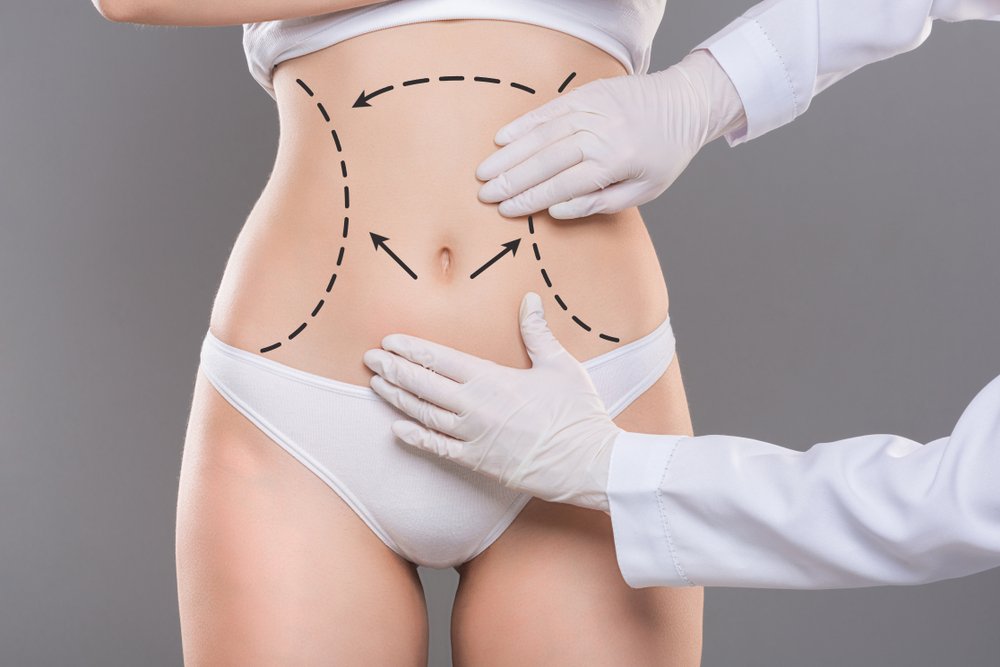
Here are general recovery tips after liposuction surgery:
Immediate Post-Surgery (First Few Days):
- Follow Doctor's Orders Meticulously: This is the most crucial tip. Your surgeon will provide specific instructions regarding wound care, medication, activity, and follow-up appointments. Adhere to them without exception.
- Rest, Rest, Rest: Your body needs time to heal. Avoid any strenuous activities, heavy lifting, or bending.
- Wear Your Compression Garment Religiously: This is perhaps the most vital aspect of recovery. The compression garment helps to:
- Reduce swelling and bruising.
- Help the skin re-drape smoothly over the new contours.
- Minimize fluid accumulation (seromas).
- Your surgeon will specify how long and how tightly to wear it (often 24/7 for several weeks, then possibly just during the day).
- Manage Pain: Take prescribed pain medication as directed. Don't wait for the pain to become severe before taking it. Over-the-counter pain relievers might be recommended for milder discomfort later.
- Stay Hydrated: Drink plenty of water. This helps with healing and prevents constipation, which can be a side effect of pain medication.
- Eat a Healthy Diet: Focus on nutritious, light meals. Avoid salty foods, which can increase swelling. Incorporate fiber to prevent constipation.
- Gentle Movement (Walks): As soon as your surgeon clears it (often within a day or two), take short, gentle walks. This is essential for preventing blood clots (DVT) and promoting circulation, but do NOT overdo it.
- Monitor Incision Sites: Keep an eye on your incision sites for any signs of infection (increased redness, warmth, pus, foul odor) or excessive bleeding. Report any concerns to your surgeon immediately.
- Expect Drainage: It's normal to have some blood-tinged fluid draining from the incision sites for the first 24-72 hours. Your surgeon may leave the incisions slightly open or use dressings to manage this.
- Arrange for Assistance: Have someone available to help you with daily tasks, especially for the first few days, as you will likely feel tired and limited in movement.
First Few Weeks:
- Continue Compression Garment Use: Adhere to the prescribed duration.
- Manage Swelling and Bruising: These will gradually subside. Applying cool compresses (if approved by your surgeon) can help in the initial days. Swelling can persist for several weeks or even months.
- Avoid Strenuous Activity: Gradually reintroduce light activities as advised by your surgeon. Avoid heavy lifting, intense exercise, or anything that strains the treated areas.
- Skin Care: Keep the treated areas clean. Your surgeon may recommend specific mild soaps or lotions once the incisions have closed.
- Massage (if recommended): Some surgeons may recommend gentle massage of the treated areas after a certain period to help with lymphatic drainage, reduce firmness, and improve contour. Do NOT do this unless specifically instructed and demonstrated by your surgeon or a qualified therapist.
- Be Patient: Recovery is a gradual process. Don't get discouraged if you don't see immediate "perfect" results. Swelling can mask the true outcome for several weeks or months.
- Avoid Sun Exposure: Protect the treated areas and any scars from direct sunlight for several months to prevent hyperpigmentation and ensure optimal scar healing. Use a high-SPF sunscreen.
Long-Term Recovery:
- Maintain a Stable Weight: Liposuction removes existing fat cells, but the remaining fat cells can still expand if you gain a significant amount of weight. Maintaining a healthy lifestyle with balanced diet and regular exercise is key to preserving your results.
- Continue Hydration and Healthy Eating: These habits support overall health and the longevity of your liposuction results.
- Scar Care: Once incisions are fully healed, you can discuss scar management options with your surgeon, such as silicone sheets or gels, to help minimize their appearance.
- Follow-up Appointments: Attend all scheduled follow-up appointments with your surgeon. They will monitor your healing progress and address any concerns.
Important Considerations for Riyadh:
- Climate: Riyadh can be very hot, especially in summer. Ensure you stay well-hydrated and avoid prolonged exposure to direct sun during your recovery, as heat can sometimes exacerbate swelling.
- Cultural Considerations: If you are visiting Riyadh for the surgery, ensure you have appropriate accommodation and support during your recovery.
- Language: While many medical professionals in Riyadh speak English, having someone with you who speaks Arabic might be helpful for logistics if you are not fluent.
Always prioritize direct communication with your plastic surgeon and their medical team for personalized advice and guidance throughout your liposuction recovery.