

That's an excellent question, as proper post-operative care is crucial for achieving the best results from your liposuction surgery in riyadh. While specific instructions are always dictated by your surgeon in Riyadh, here is a structured and comprehensive overview of general recovery tips and what you can expect in the weeks following your procedure.
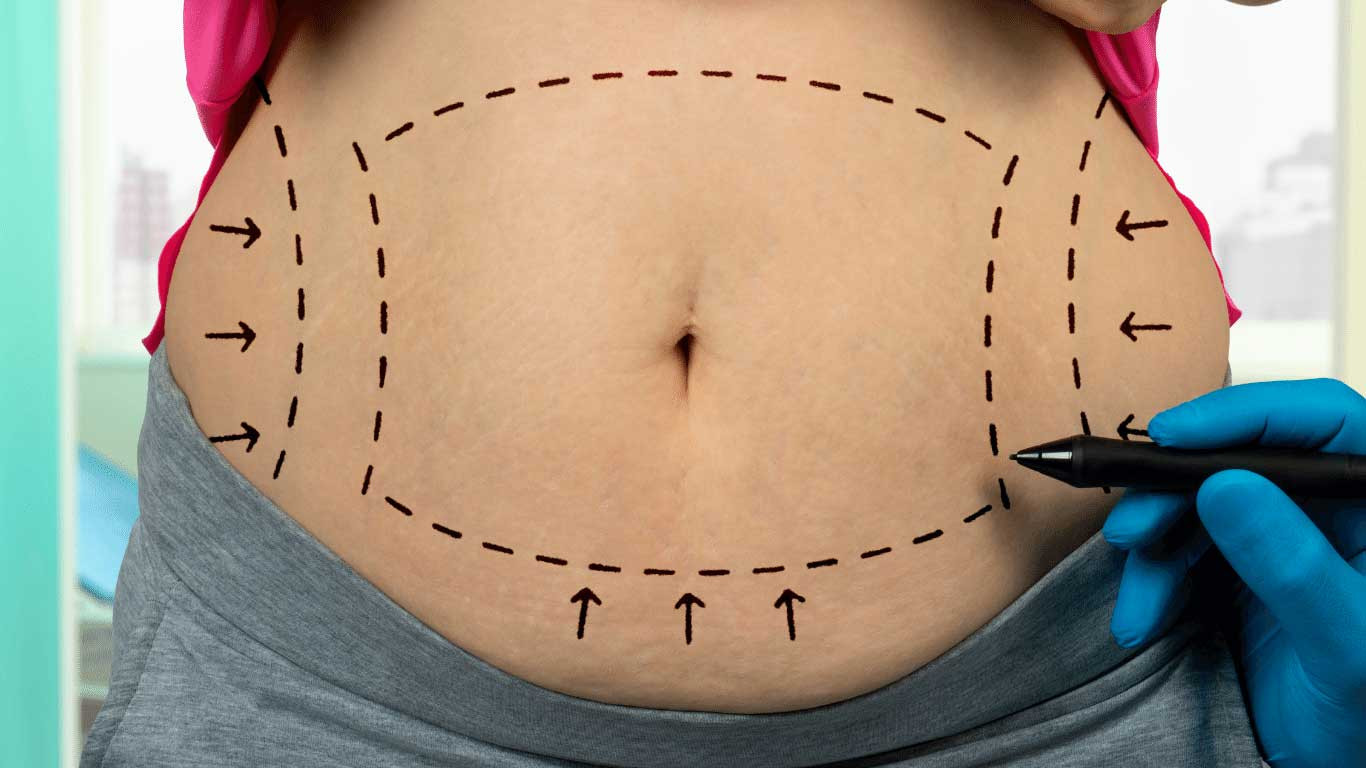
🩹 General Liposuction Recovery Timeline & Tips
Recovery is a gradual process, and patience is key to seeing your final results, which can take up to six months or longer.
Timeline
Key Expectations
Essential Care Tips
First 1-3 Days
The most significant discomfort, swelling, bruising, and drainage (bloody fluid) are expected. You will be tired and should prioritize rest.
Rest is paramount. Have a support person assist you. Take prescribed pain medication as directed. Stay hydrated and eat a light, low-sodium diet.
First Week
Swelling and bruising are still present but discomfort should begin to ease. You may return to light, non-strenuous work within a few days to a week.
Wear your compression garment 24/7 (only removing for showering). Take short, gentle walks every few hours to prevent blood clots. Keep incision sites clean and dry.
Weeks 2-4
Swelling and bruising start to fade significantly. You feel more mobile and can gradually increase light activity.
Continue wearing the compression garment (your surgeon will advise on the schedule, often 12-20 hours a day). Most people can return to a non-strenuous job. Avoid intense exercise and heavy lifting.
Weeks 4-6 & Beyond
Most swelling is gone, and initial results are visible. You can typically resume a regular exercise routine.
Follow your surgeon's instructions on discontinuing the compression garment. Maintain a healthy diet and exercise to preserve your results.
⚕️ Core Post-Operative Instructions
These guidelines are universally important for a smooth recovery:
1. Compression Garments are Essential
- Purpose: These garments are mandatory. They help reduce swelling (edema), minimize bruising, prevent fluid pockets (seromas), and encourage your skin to conform to your new contours.
- Usage: You will likely wear a Stage 1 garment for the first 1-2 weeks, followed by a Stage 2 garment for several more weeks. Wear it as close to 24 hours a day as instructed—only removing it briefly for showering. Proper fit is crucial; it should be snug, but not so tight as to cause pain or interfere with circulation.
2. Pain and Swelling Management
- Medication: Take all prescribed antibiotics and pain medications exactly as directed by your Riyadh surgeon. Do not take non-prescribed blood thinners like Aspirin or Ibuprofen unless cleared by your doctor.
- Hydration & Diet: Drink plenty of water and maintain a healthy, low-sodium diet. High sodium intake can worsen swelling. Focus on protein and nutrient-rich foods to aid healing.
- Movement: Gentle walking is a critical, non-negotiable step to promote circulation and prevent blood clots. Start with short walks around the house on the first day, gradually increasing the distance.
3. Hygiene and Incision Care
- Showering: Your surgeon will advise when you can first shower, often 24-48 hours after surgery. You may be asked to remove your compression garment for the shower. Gently pat the incisions dry.
- Avoid Soaking: Do not submerge the treated areas in a bathtub, pool, or jacuzzi for at least 4-6 weeks to prevent infection.
- Drainage: It is normal to have some bloody fluid drain from the incision sites for the first few days. Use gauze or pads as instructed by your clinic.
✨ Accelerated Healing: Optional Therapies
Many patients find these additional steps helpful for faster healing, but always discuss them with your surgeon first:
- Manual Lymphatic Drainage (MLD) Massage: This gentle, specialized massage is highly recommended by many surgeons in Riyadh. It helps to move excess fluid, reduce swelling faster, and promote a smoother final contour. Your surgeon can refer you to a certified therapist.
- Elevation: When resting, elevate the treated area if possible (e.g., use pillows to raise your legs if treated).
🛑 Important Medical Warning
Please remember these are general tips. Your surgeon's specific post-operative instructions override any general advice. If you experience any signs of a complication, such as a fever, excessive pain not relieved by medication, redness or pus at the incision site, or shortness of breath, seek immediate medical attention from your clinic or a hospital in Riyadh.