

That's an excellent and proactive question! Recovery is a critical part of achieving the best results from your rhinoplasty surgery in riyadh. While the fundamental recovery process is the same globally, the heat and sun in Riyadh require extra care.
Here are the essential tips for a comfortable and successful recovery after your rhinoplasty surgery in Riyadh, broken down by key phases.
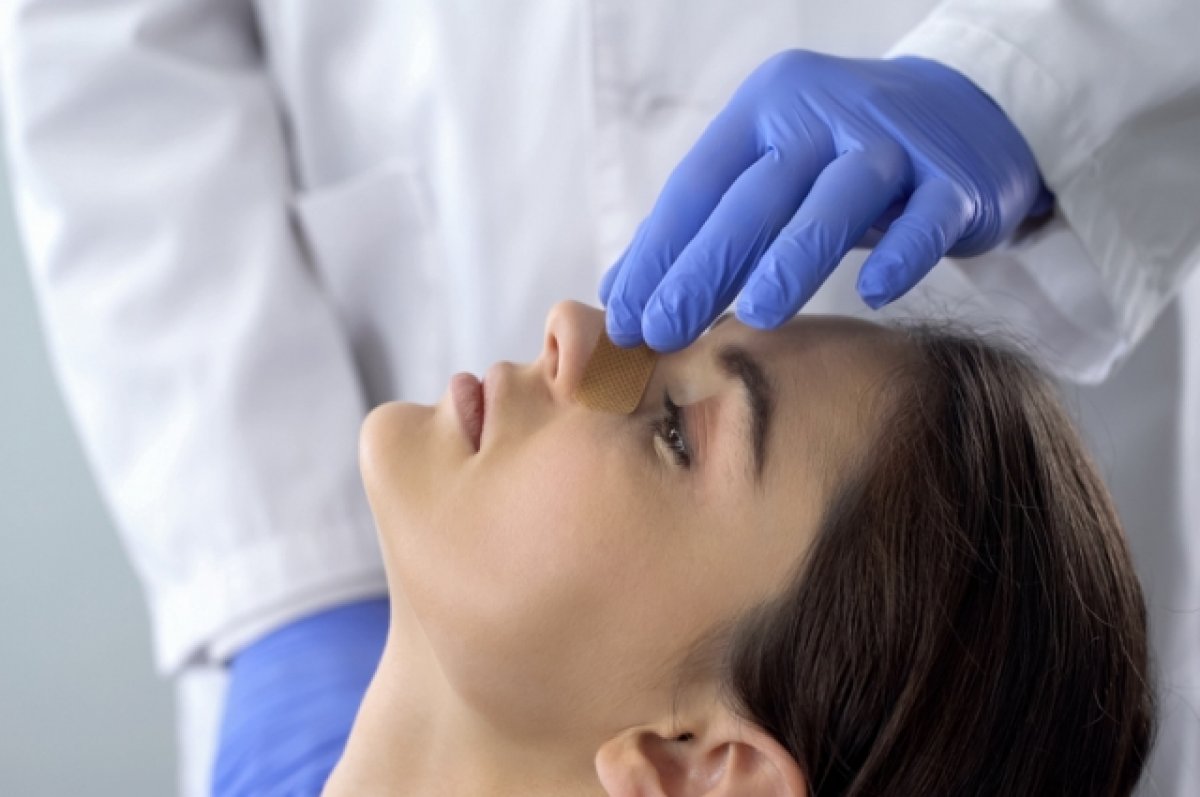
📅 The Critical First Week (Days 1–7)
This is the most crucial period for managing swelling and protecting your nose.
DO's for a Smooth Start
DON'Ts to Avoid Complications
Keep Your Head Elevated: Sleep with your head raised using 2-3 pillows or a wedge pillow. This is the single most effective way to reduce initial swelling.
DO NOT Touch or Bump Your Nose: No picking, scratching, or rubbing. If you have a splint or cast, leave it alone.
Use Cold Compresses: Apply ice packs or a bag of frozen peas to your cheeks and eyes, never directly on the nose. This is most effective in the first 48-72 hours.
DO NOT Blow Your Nose: This can cause bleeding or disrupt internal healing. Sneeze with your mouth wide open to release pressure.
Rest and Relax: Avoid any activity that raises your heart rate or blood pressure, as this increases swelling and the risk of bleeding. Light walking around the house is fine to aid circulation.
DO NOT Wear Glasses or Sunglasses: The pressure on the bridge of your nose can distort the healing structure. Switch to contacts or tape your glasses to your forehead (ask your surgeon for guidance).
Stay Hydrated & Eat Soft Foods: Drink plenty of water (essential in Riyadh's climate) and eat a soft, nutrient-rich diet to promote healing and avoid straining your face with chewing.
DO NOT Take Hot Showers or Use Saunas/Hot Tubs: Heat can significantly increase swelling and the risk of bleeding. Keep your showers lukewarm.
Use Saline Spray: Use a saline nasal spray as directed by your surgeon to keep the nasal passages moist and clear of dried blood.
DO NOT Smoke or Drink Alcohol: Both severely impair healing and increase swelling/bleeding risk.