
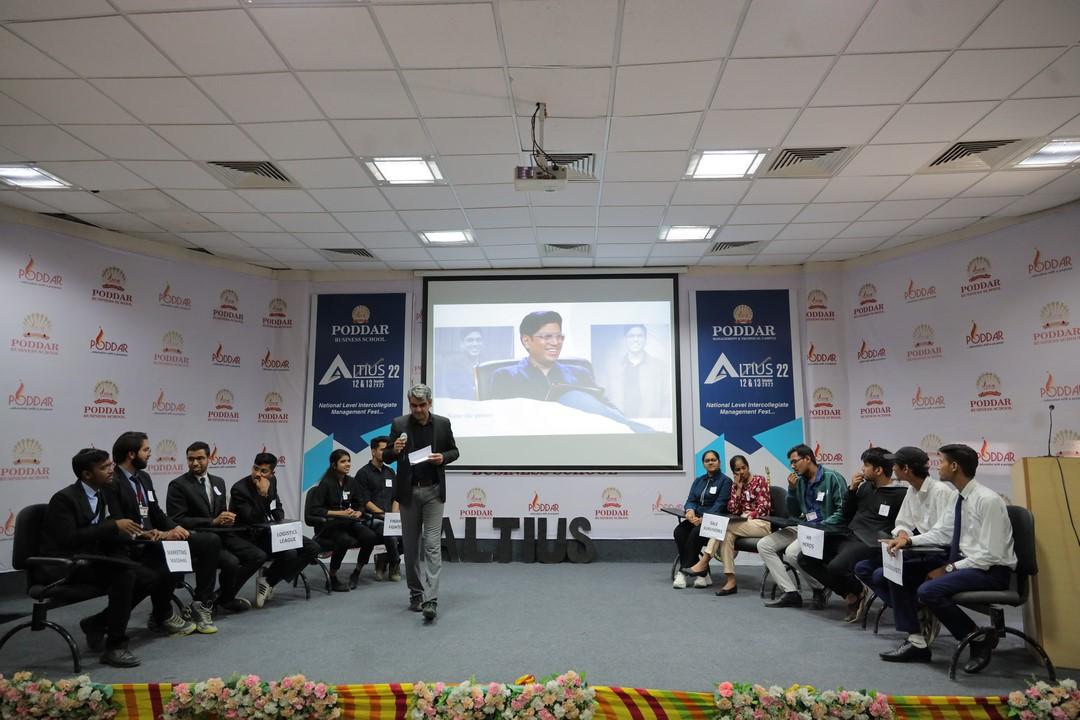
In an era dominated by rapid technological advancements and global interconnectedness, the landscape of management education has undergone significant transformations. The modern management education system is no longer confined to the traditional frameworks of teaching business tactics and strategies. Instead, it has evolved into a dynamic field that integrates innovative teaching methods, technology, and an emphasis on global and ethical awareness to prepare leaders for the complex challenges of the 21st century. This article, with expert insights from Poddar International College, the best BBA college in Jaipur, explores how modern management education systems have evolved to nurture the next generation of leaders in the business world.
Integrating Technology in Learning
The infusion of technology into the BBA course in Jaipur and across the country has been one of the most impactful changes. Virtual classrooms, online simulations, and digital platforms are now staples in management education, enabling a more flexible and accessible learning experience. Technology facilitates a blended learning environment where online and offline interactions support each other, catering to diverse learning preferences and schedules. Moreover, technologies such as artificial intelligence and data analytics are not just tools for administration and communication but are subjects that are critically integrated into the curriculum, reflecting their importance in modern business practices.
Emphasis on Soft Skills and Leadership
Traditional management education at top BBA colleges in Jaipur and India often focused heavily on quantitative analysis and strategic decision-making. While these remain integral, there's a stronger emphasis now on soft skills such as emotional intelligence, ethical leadership, and intercultural competence. Modern curricula are designed to develop managers who are not only adept at navigating complex business environments but are also visionary leaders who can inspire teams and drive positive organizational change. Programs often include workshops, seminars, and interactive modules that challenge students to improve their communication, teamwork, and leadership skills in real-world scenarios.
Global Perspective and Cultural Sensitivity
As businesses operate in an increasingly global environment, management education has expanded its scope to include international business strategies and cross-cultural communication. Many programs offer global immersion experiences, international field projects, and classes taught by a diverse faculty to expose students to various business practices and cultures. This global perspective prepares students to effectively manage and lead in diverse settings, enhancing their ability to work across borders and cultures.
Sustainability and Ethical Management
Another significant shift in modern management education is the integration of sustainability and ethics into the curriculum. With growing awareness of social and environmental issues, business schools are preparing future managers to prioritize sustainability and ethical considerations in their decision-making processes. Courses on corporate social responsibility (CSR), environmental sustainability, and ethics are now common, aiming to instill a sense of responsibility towards making decisions that positively impact society and the environment.
Entrepreneurship and Innovation
Encouraging innovation and entrepreneurship has become a central theme in management education. Several of the best colleges in Jaipur for BBA now offer specialized courses and incubators to help students develop their entrepreneurial ventures. This shift not only fosters a spirit of innovation and risk-taking but also equips students with the skills to thrive in startups and dynamic business environments where innovation is key to success.
Lifelong Learning and Continuous Development
Finally, the modern management education system recognizes that learning does not end with a diploma. With the business world continually evolving, ongoing learning and professional development are crucial. Many schools offer alumni resources, online courses, and executive education programs to support graduates throughout their careers, emphasizing the importance of lifelong learning.
In conclusion, the modern management education system at BBA colleges in Rajasthan and India has dramatically evolved to meet the needs of a changing world. By integrating technology, focusing on soft skills, broadening global perspectives, emphasizing sustainability, fostering innovation, and supporting lifelong learning, these programs are not just shaping skilled managers but visionary leaders who are equipped to navigate and lead through the complexities of the modern business world. As we look to the future, the continuous adaptation and innovation in management education will be key to developing leaders who can make a difference in their organizations and communities.