
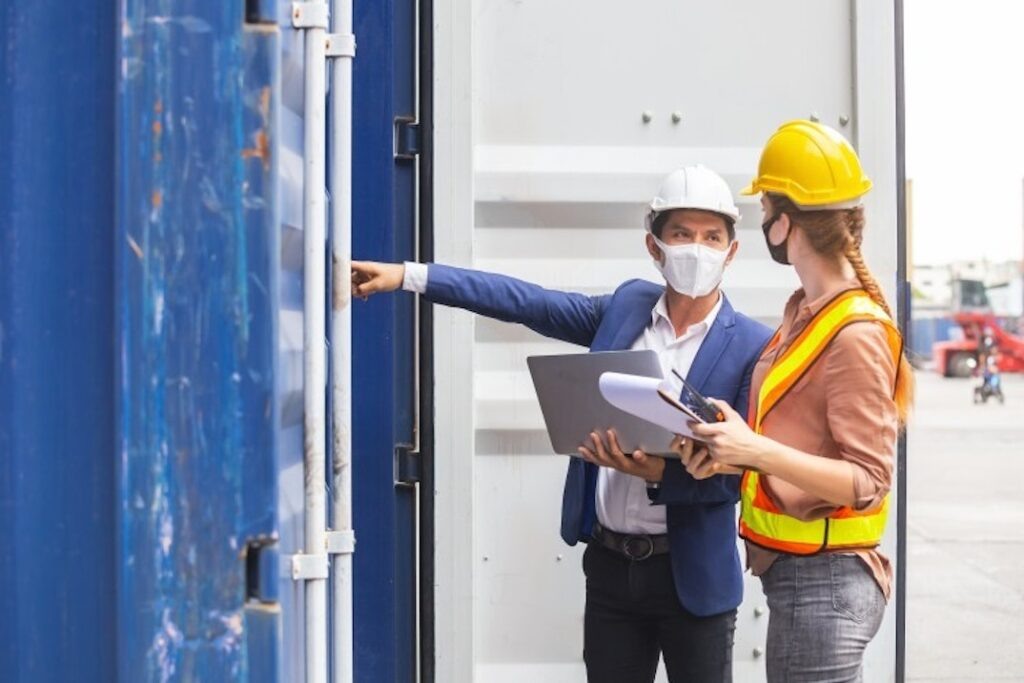
Every safe workplace operates like a well-tuned engine—each part has a function, and when one fails, the entire system can break down. Among the many components of workplace safety, supervisors play one of the most critical roles. They are the link between management and workers, ensuring that safety procedures aren’t just written on paper but actually practiced daily.
In industries where hazards are part of everyday operations—like construction, manufacturing, or oil and gas—supervisors are the front-line defenders of safety standards. Their responsibility goes far beyond assigning tasks; they are accountable for maintaining compliance with work procedures, promoting safe behavior, and reducing workplace accidents.
Whether you’re pursuing a Health & safety diploma or already working in a supervisory role, understanding how supervisors ensure compliance can significantly improve your ability to maintain a safe and efficient workplace.
Why Supervisors Are Vital to Safety Compliance
Supervisors serve as the eyes and ears of an organization’s safety system. They are often the first to notice unsafe behaviors, faulty equipment, or poor work practices. Their involvement ensures that policies are not just implemented but continuously evaluated and improved.
Here’s why their role is so essential:
- Immediate Oversight: Supervisors are directly present at the worksite, enabling them to detect unsafe acts and intervene quickly.
- Consistent Enforcement: They ensure that all employees follow safety rules consistently, regardless of workload or time pressure.
- Bridge Between Workers and Management: Supervisors communicate employee feedback to management, helping refine safety protocols and address recurring issues.
- Training and Mentorship: Supervisors often mentor employees on safety practices, ensuring both new hires and experienced staff stay compliant with procedures.
A workplace without strong supervisory oversight often faces higher accident rates, inconsistent practices, and gaps in communication—all of which compromise safety performance.
Understanding Compliance with Work Procedures
Compliance means following the established rules, methods, and policies designed to keep everyone safe. Work procedures exist for a reason—they minimize risks by defining how tasks should be performed safely.
When workers ignore or shortcut these procedures, the risk of incidents rises sharply. Supervisors, therefore, must ensure that:
- Every employee understands why the procedure exists.
- The procedure is practical and up-to-date.
- Compliance is regularly monitored and reinforced.
In real-life scenarios, such as a construction site, this could mean ensuring workers always use fall protection equipment when working at heights or that chemical handling protocols are followed precisely in a manufacturing plant.
Supervisors don’t just enforce rules; they create a culture where compliance becomes second nature.
Key Responsibilities of Supervisors in Ensuring Compliance
The role of supervisors in checking compliance is multi-dimensional. They must balance leadership, communication, and technical knowledge. Below are their most crucial duties.
1. Conducting Regular Inspections
Routine workplace inspections allow supervisors to identify potential hazards before they cause harm. These inspections cover equipment checks, PPE usage, housekeeping, and overall adherence to safety standards.
Supervisors should keep detailed inspection records and address non-compliance immediately through corrective actions.
2. Enforcing Safety Rules Fairly
Supervisors must apply safety rules consistently to all employees, regardless of position or experience level. Fair enforcement encourages respect and accountability among team members.
If a worker repeatedly ignores procedures, the supervisor’s role includes disciplinary action, retraining, or escalation to higher management if necessary.
3. Providing Ongoing Training
Work environments and regulations evolve, so supervisors should ensure their teams receive regular safety training. Refresher sessions on hazard awareness, emergency response, and PPE use help maintain competence.
A proactive supervisor ensures no worker is left uncertain about safe practices.
4. Leading by Example
Nothing influences employees more than the actions of their leaders. When supervisors wear PPE properly, follow lockout/tagout steps, and report hazards promptly, they set the tone for workplace culture.
Leadership by example reinforces the message that compliance isn’t optional—it’s part of professional responsibility.
5. Investigating Incidents Thoroughly
Whenever an accident or near-miss occurs, supervisors must conduct a fair and detailed investigation. The goal isn’t to assign blame but to uncover root causes and prevent recurrence.
They document findings, recommend corrective actions, and communicate lessons learned to the workforce.
6. Communicating Constantly
Effective communication is a safety tool in itself. Supervisors hold toolbox talks, pre-job briefings, and safety meetings to keep safety awareness fresh.
When employees feel heard and informed, they are far more likely to comply with work procedures.
Building a Culture of Compliance
Compliance isn’t only about following rules—it’s about creating a workplace mindset that prioritizes safety. Supervisors have the power to shape this culture through trust, engagement, and reinforcement.
Here’s how they can build that culture:
- Recognize Safe Behavior: Reward employees who follow safety rules consistently.
- Encourage Reporting: Create a blame-free environment where workers can report hazards or mistakes without fear.
- Promote Team Ownership: Involve employees in safety decisions and procedure reviews.
- Provide Feedback: Regular, constructive feedback helps employees understand what’s done right and what needs improvement.
When compliance becomes a shared value rather than a forced obligation, accidents decline, and productivity rises.
Real-Life Example: Supervisory Vigilance in Action
Consider a manufacturing supervisor who noticed operators skipping a machine guard to speed up production. Instead of immediate punishment, the supervisor paused the operation, explained the potential injury risks, and retrained the entire shift on safe machine use.
As a result, not only did compliance improve, but the team began proactively reporting other safety concerns. This scenario highlights how effective supervision can turn unsafe habits into learning opportunities, enhancing both morale and safety.
The Importance of Supervisor Training and Qualifications
Supervisors can’t enforce what they don’t understand. To check compliance effectively, they must have a strong foundation in safety management, risk assessment, and human behavior.
That’s where professional education, like a Health & safety diploma, becomes invaluable. Such qualifications provide supervisors with the theoretical and practical knowledge needed to implement safety management systems, conduct audits, and ensure compliance with regulatory standards.
Moreover, supervisors with formal safety training are better equipped to interpret legislation, guide their teams, and integrate safety into every aspect of operations.
Advancing Supervisory Skills Through Professional Training
For those looking to strengthen their safety leadership, formal training through recognized institutions is a powerful step. The NEBOSH diploma training at Cosmic Institute offers one of the most comprehensive programs for aspiring safety professionals.
This globally respected qualification helps supervisors and managers:
- Deepen their understanding of occupational health and safety principles.
- Learn to assess and control workplace risks effectively.
- Build confidence in leading compliance programs.
- Enhance career prospects in industries that value safety excellence.
Cosmic Institute’s NEBOSH diploma emphasizes real-world application, interactive learning, and personalized support—making it ideal for professionals aiming to become safety leaders in their organizations.
FAQs About Supervisors and Safety Compliance
1. Why is supervisor involvement important for safety compliance?
Supervisors ensure that work procedures are followed, identify unsafe behaviors early, and foster a culture of accountability. Their involvement reduces accident rates and improves operational efficiency.
2. How often should supervisors conduct safety inspections?
Depending on the industry, inspections may be daily, weekly, or monthly. High-risk environments often require daily checks to ensure continuous compliance.
3. What happens if supervisors ignore non-compliance?
Ignoring non-compliance can lead to serious accidents, legal consequences, and loss of credibility. Supervisors are legally and ethically obligated to enforce safety procedures.
4. How can supervisors motivate workers to follow procedures?
Motivation comes from recognition, fair enforcement, and active engagement. When workers feel respected and see their supervisors modeling good behavior, they are more likely to comply.
5. Do supervisors need formal safety qualifications?
While not always mandatory, formal qualifications such as a diploma or NEBOSH certification significantly enhance a supervisor’s ability to manage compliance effectively and advance their career.
Conclusion
Supervisors are the backbone of workplace safety compliance. They ensure that safety procedures are not only known but practiced consistently, protecting both employees and the organization. Their role combines leadership, communication, and vigilance—qualities that define true safety champions.
Pursuing professional education like a Health & safety diploma strengthens this capability, giving supervisors the knowledge and confidence to uphold the highest safety standards.
For those seeking globally recognized training, the NEBOSH diploma training at Cosmic Institute offers an excellent pathway to mastering safety management and advancing your career. By investing in learning and leadership, you not only safeguard your team but also shape a culture where compliance and care go hand in hand.