

Riyadh has established itself as a major center for advanced and safe hair restoration, catering to both men and women with a focus on natural, long-lasting results.
The key to safe and effective treatment is choosing a clinic with certified surgeons and a focus on advanced techniques.
Here is an overview of the most prominent safe and effective hair restoration solutions available Hair transplant in Riyadh:
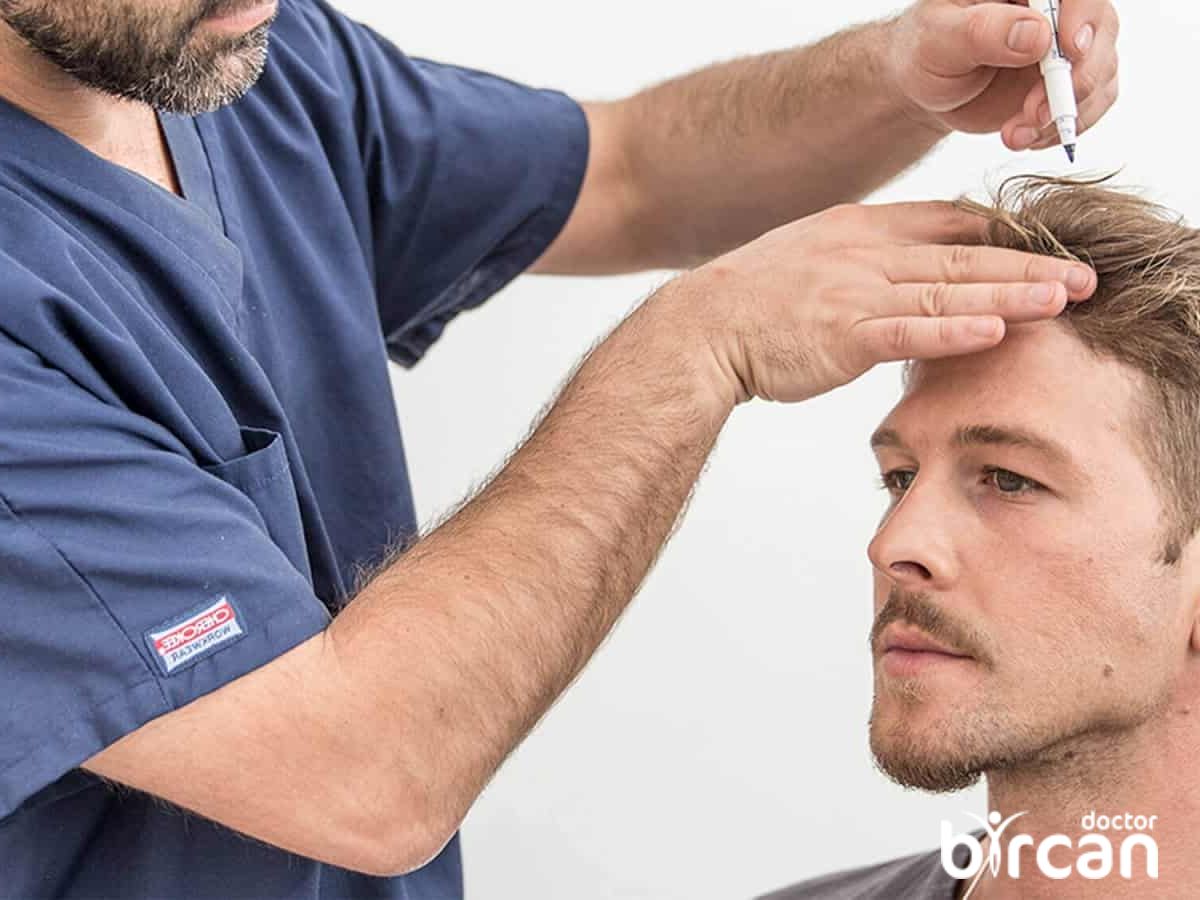
1. Advanced Surgical Hair Transplants
The top clinics in Riyadh offer minimally invasive surgical options that have replaced older, scar-forming methods.
Technique
Description
Key Advantage for Patients
Follicular Unit Extraction (FUE)
Individual hair follicles are extracted one-by-one from the donor area (usually the back of the head) and implanted into the thinning regions.
Minimal Scarring: Leaves only tiny, scattered dots, allowing for short hairstyles. Faster recovery than older methods.
Direct Hair Implantation (DHI)
A variation of FUE where a specialized Choi Implanter Pen is used to both create the recipient channel and implant the graft simultaneously.
High Density & Precision: The pen allows the surgeon to perfectly control the angle and depth for a super-natural, dense look. Often done without shaving the full head.
Robotic FUE (RHT)
Uses robotic assistance to enhance the speed and precision of the hair follicle extraction process.
Consistency: Provides highly consistent and efficient graft harvesting, especially for large numbers of grafts.
Export to Sheets
Specific Considerations for Women:
While men typically have transplants for pattern baldness, women often seek restoration for diffuse thinning or to restore a receding hairline (hairline lowering). Many clinics in Riyadh offer techniques optimized for women that minimize the need for full shaving, making the procedure more discreet.
2. Non-Surgical Hair Loss Treatments
For those in the early stages of hair loss or to support a transplant, several safe, non-invasive treatments are highly effective:
Treatment
Description
Key Goal
Platelet-Rich Plasma (PRP) Therapy
The patient's own blood is drawn, processed to concentrate the platelets (rich in growth factors), and injected into the scalp.
Stimulates Growth: Revitalizes dormant hair follicles, strengthens existing hair, and improves density. Safe for both genders.
Exosome Therapy
A next-generation regenerative treatment using signalling molecules (Exosomes) to enhance stem cell activity in the hair follicles.
Cellular Regeneration: Promotes new, thicker hair growth by communicating with cells on a biological level.
Mesotherapy
Involves injecting a nutrient-rich cocktail of vitamins, minerals, and amino acids directly into the middle layer of the scalp.
Nourishment: Directly delivers essential nutrients to the hair follicles that may be lacking in the blood supply.
Medications & Topical Solutions
Includes FDA-approved topical solutions like Minoxidil and oral medications (for men and sometimes women) that control the hormonal factors of hair loss.
Stops Further Loss: Slows down or halts the progression of hair thinning and stimulates regrowth.
Export to Sheets
Cost & Consultation
The cost of hair restoration in Riyadh varies widely based on the technique, the surgeon's expertise, the reputation of the clinic, and the number of grafts required.
Treatment Type
Estimated Cost Range (SAR)
FUE/DHI Hair Transplant
SAR 7,000 – SAR 40,000+ (depending on grafts)
PRP/Mesotherapy Session
SAR 800 – SAR 3,500 per session
Non-Surgical Injections
SAR 800 – SAR 1,500 per session
Export to Sheets
Actionable Advice: To ensure a safe and effective outcome, you should:
- Look for Board Certification: Choose a plastic surgeon or dermatologist with specialized certification and a strong portfolio in hair restoration.
- Request a Detailed Consultation: A reputable clinic will perform a thorough scalp analysis and create a personalized treatment plan for you, clearly outlining the number of grafts, the technique, and the expected results