

Riyadh has a growing number of reputable clinics and hospitals offering safe and effective tummy tuck in riyadh (abdominoplasty) procedures. To ensure both safety and optimal results, it's crucial to focus on certain key aspects when making your choice.
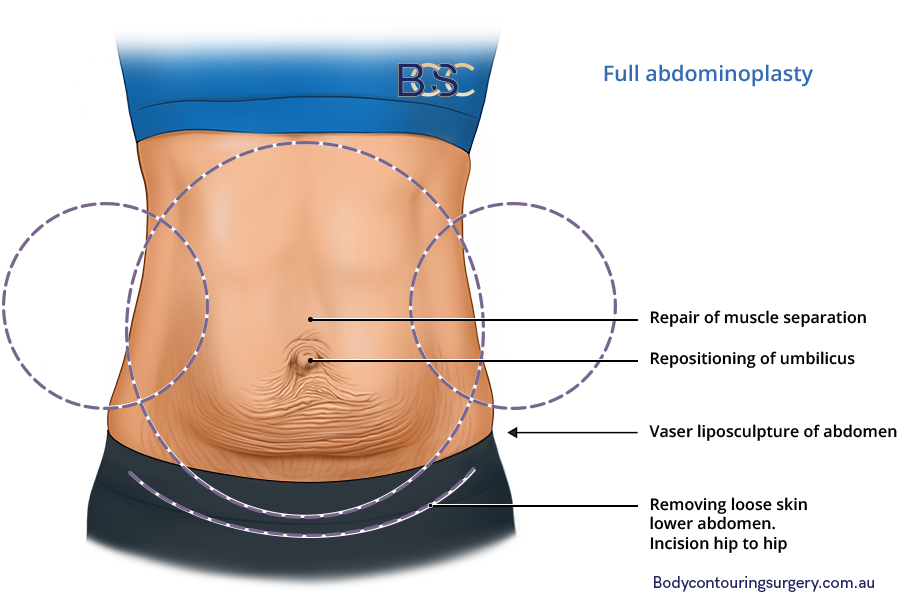
Key Elements of Safe and Effective Tummy Tuck Options in Riyadh:
- Board-Certified Plastic Surgeons:
- Expertise is Paramount: This is the most critical factor. Look for surgeons who are board-certified in plastic and reconstructive surgery. This certification indicates they have undergone rigorous training, passed comprehensive exams, and adhere to high professional standards.
- Experience with Abdominoplasty: Inquire about their specific experience with tummy tuck procedures. A surgeon who performs many tummy tucks annually is more likely to achieve consistent and desirable results.
- Specialized Techniques: Ask about the techniques they commonly use (e.g., muscle repair for diastasis recti, various liposuction techniques if combined, different incision patterns).
- Patient Reviews and Before & After Photos: Reputable surgeons will have a portfolio of their work and positive patient testimonials. This helps you assess their aesthetic style and the quality of their results.
- Accredited and Well-Equipped Facilities:
- Hospital vs. Clinic: While many procedures can be done in accredited clinics, a tummy tuck is a major surgery often requiring general anesthesia. Ensure the facility (hospital or clinic) has proper surgical suites, advanced monitoring equipment, and capabilities for handling emergencies.
- Safety Standards: Look for facilities that adhere to international safety and hygiene protocols. Some clinics may be JCI-accredited (Joint Commission International), which is a global benchmark for quality and patient safety.
- Anesthesia Expertise: The anesthesia should be administered and monitored by a qualified anesthesiologist.
- Comprehensive Consultation and Personalized Plan:
- Thorough Evaluation: A safe and effective process begins with a detailed consultation. The surgeon should conduct a comprehensive medical evaluation, discuss your health history, medications, and any allergies.
- Realistic Expectations: The surgeon should clearly explain what can be achieved, including potential limitations, risks, and the expected recovery process. They should manage your expectations realistically regarding scarring, recovery time, and final results.
- Tailored Approach: There isn't a one-size-fits-all tummy tuck. The surgeon should assess your specific needs (e.g., amount of excess skin, fat, muscle laxity) and recommend the most appropriate type of abdominoplasty (full, mini, extended, circumferential, or lipoabdominoplasty).
- Advanced Tummy Tuck Techniques:
- Standard Abdominoplasty: The most common approach, addressing significant excess skin and fat, and tightening abdominal muscles.
- Mini Tummy Tuck (Partial Abdominoplasty): Suitable for those with less excess skin primarily below the navel. It involves a shorter incision and doesn't typically require repositioning the belly button.
- Extended Tummy Tuck: For individuals with significant excess skin extending to the flanks (love handles) or lower back, often seen after massive weight loss. The incision is longer, extending around the sides.
- Circumferential Abdominoplasty (Body Lift): This is a 360-degree procedure for patients with significant excess skin and fat around the entire midsection, including the back and sometimes buttocks. It's often performed after substantial weight loss.
- Lipoabdominoplasty: A popular and often very effective combination of liposuction and a tummy tuck. Liposuction is used to remove stubborn fat pockets, especially from the flanks and upper abdomen, before the skin is tightened and muscles are repaired. This can lead to a more contoured and natural-looking result.
- Fleur-De-Lis Tummy Tuck: Involves both a horizontal and a vertical incision (forming a "T" or "anchor" shape) to address significant skin excess both horizontally and vertically, particularly useful for very large amounts of loose skin. This results in a more prominent scar but can achieve dramatic contouring.
- Robust Post-Operative Care:
- Detailed Instructions: You should receive clear and comprehensive instructions for post-operative care, including wound care, compression garment use, pain management, and activity restrictions.
- Follow-Up Appointments: Regular follow-up appointments are essential for monitoring your healing progress, addressing any concerns, and ensuring optimal results.
- Emergency Contact: You should have clear instructions on how to contact the surgical team in case of any concerns or emergencies.
How to Find Safe and Effective Options in Riyadh:
- Research Reputable Clinics and Hospitals: Look for well-known medical centers and specialized plastic surgery clinics in Riyadh. Examples include:
- Aesthetic Clinic Riyadh (Dr. Omar Fouda is mentioned as a US-trained surgeon with high standards)
- Dr. Soliman Fakeeh Hospital Riyadh
- Med Art Clinics
- Royal Clinic Saudia
- Riyadh Care Hospital
- Verify Surgeon Credentials: Use official medical licensing bodies in Saudi Arabia to verify a surgeon's board certification and disciplinary history.
- Read Reviews and Testimonials: Look for patient reviews on independent platforms.
- Schedule Multiple Consultations: Meet with a few different surgeons to compare their approaches, personalities, and fees. Ask questions about their experience, safety protocols, and what to expect.
By prioritizing a qualified surgeon, an accredited facility, a personalized treatment plan, and comprehensive post-operative care, you can significantly increase the safety and effectiveness of your tummy tuck procedure in Riyadh.