

When considering a hair transplant in Riyadh, safety should be the top priority. While the procedure is generally considered safe and effective, like any surgical procedure, it carries some risks. The key to a safe hair transplant in Riyadh is choosing a reputable clinic with experienced, licensed surgeons and adhering to proper pre- and post-operative care.
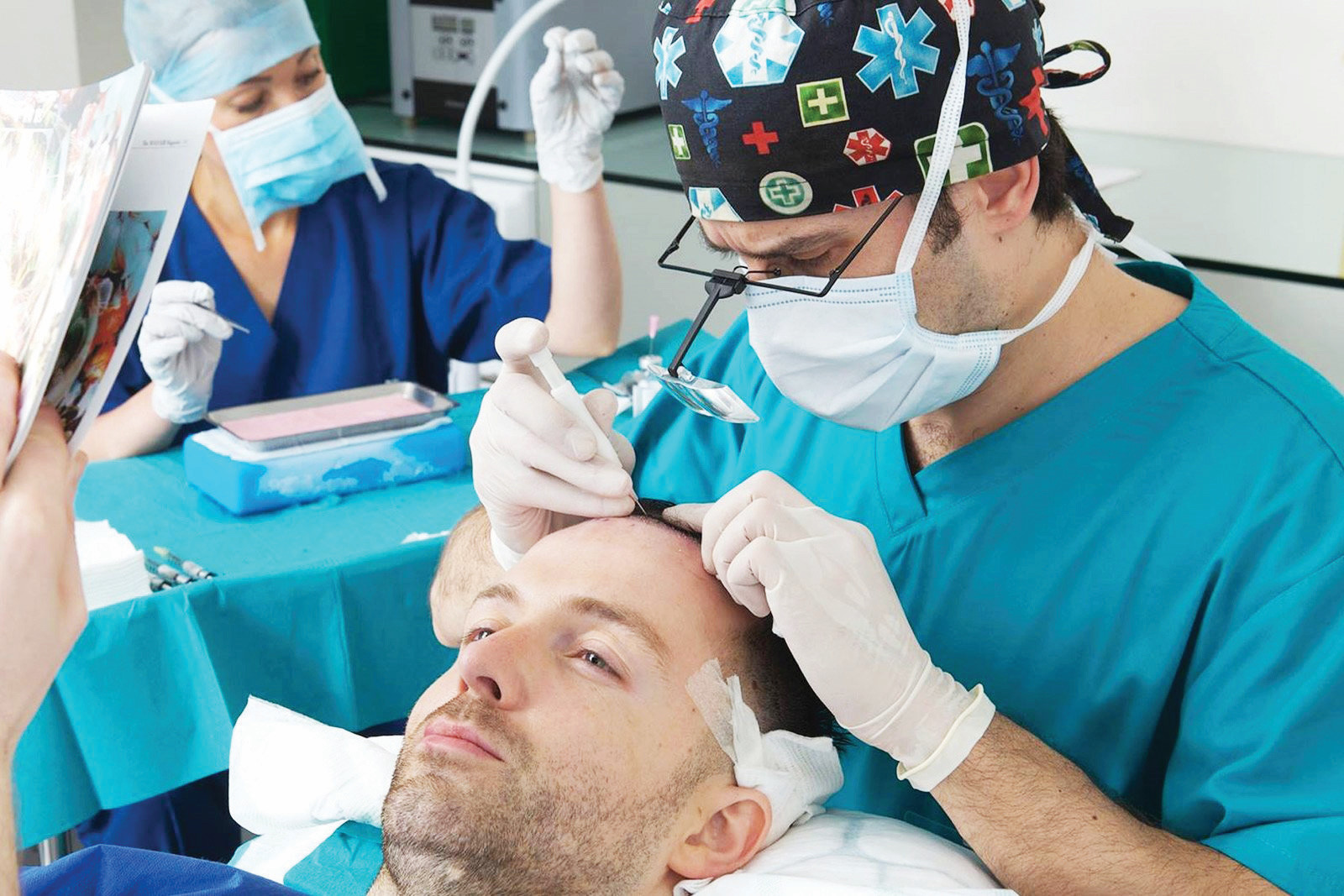
Key Factors for a Safe Procedure
- Surgeon and Clinic Credentials:
-
Licensed Professionals: The surgeon must be a licensed medical professional, typically a dermatologist or plastic surgeon with specialized training in hair restoration. In Saudi Arabia, it is crucial to choose a doctor certified by the Saudi Health Council.
- Specialized Clinics: Opt for clinics that specialize in hair transplants rather than a general-purpose medical center. These clinics are more likely to have the necessary equipment, a sterile environment, and a team trained specifically in hair restoration.
- Experience: An experienced surgeon is less likely to make mistakes. A surgeon who has performed hundreds or thousands of successful hair transplants will have the skill to handle various hair loss patterns and potential complications.
-
- Techniques and Technology:
-
FUE (Follicular Unit Extraction) and DHI (Direct Hair Implantation): These are the most common and safest techniques. They are minimally invasive, leading to less pain, a faster recovery, and a reduced risk of infection compared to older methods. The tiny dot-like scars from FUE are also far less noticeable than the linear scar from a FUT (Follicular Unit Transplantation) procedure.
- Sterile Environment: The procedure must be performed in a clean, sterile operating environment to minimize the risk of infection. Reputable clinics in Riyadh follow strict hygiene and safety protocols.
-
Advanced Equipment: Clinics using modern, high-quality instruments, such as micro-punches for FUE, can ensure more precise graft extraction and implantation, which leads to better results and fewer complications.
-
- Patient Health and Pre-Procedure Care:
-
Medical Evaluation: A safe hair transplant begins with a thorough medical evaluation. A good clinic will assess your overall health, hair loss pattern, and scalp condition to determine if you are a suitable candidate.
-
Pre-Care Instructions: You will be given specific instructions to follow before the procedure, such as avoiding smoking, alcohol, and certain medications (like blood thinners) that can affect healing and increase the risk of bleeding.
-
- Post-Operative Care:
-
Following Instructions: The clinic will provide detailed instructions for post-operative care. This is a critical part of the process to prevent infection and ensure the success of the transplant. Instructions typically include:
- How to gently wash your hair.
-
Which medications to take (antibiotics, pain relievers).
-
How to sleep to avoid putting pressure on the transplanted area.
-
Avoiding strenuous activities, direct sunlight, and swimming for a specific period.
-
Follow-up Appointments: Top clinics schedule follow-up appointments to monitor your healing and hair growth progress.
-
Potential Risks (and How to Avoid Them)
While hair transplants are safe, some potential risks to be aware of include:
- Infection: This is a rare risk that can be almost completely eliminated by choosing a reputable clinic that follows strict hygiene protocols and by following your post-operative instructions carefully.
-
Swelling and Bruising: Temporary and common side effects that usually subside within a few days.
-
Scarring: FUE and DHI methods result in minimal, nearly invisible dot-like scars. Poor technique or a surgeon's lack of experience can lead to more noticeable scarring.
-
"Shock Loss": This is a temporary shedding of existing hair in the area around the transplant. It's a normal part of the process and the hair usually regrows within a few months.
- Poor Results: The most significant risk is an unnatural-looking outcome or a low graft survival rate. This is directly tied to the surgeon's skill and the quality of the clinic.
Conclusion
Hair transplant procedures in Riyadh can be very safe and effective if you choose a clinic with a strong reputation for safety and quality. By prioritizing a licensed and experienced surgeon, ensuring the clinic uses modern, sterile equipment, and by following all pre- and post-operative care instructions, you can significantly reduce any potential risks and achieve the desired results.