

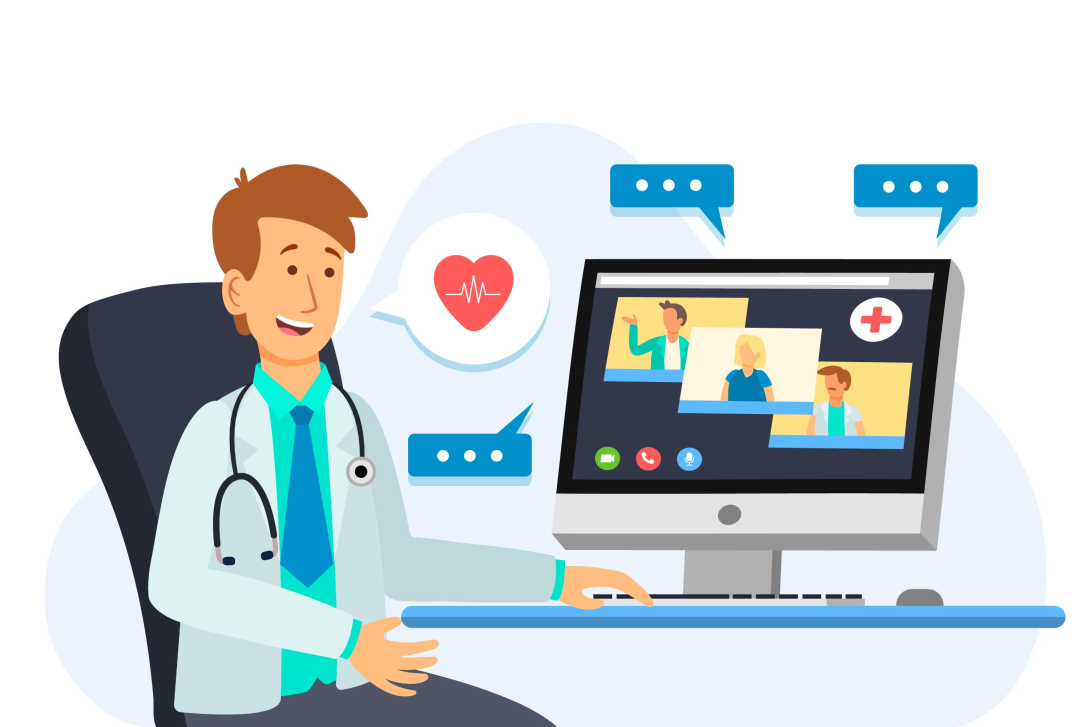
In today’s busy healthcare environment, doctors and nurses often face the challenge of balancing patient care with heavy administrative tasks. This is where the support of a medical virtual assistant becomes valuable. By helping with documentation, scheduling, and accurate record-keeping, these assistants reduce mistakes and allow healthcare providers to focus on delivering safe and reliable care. Their role is not about replacing medical professionals but making sure the work they do is supported with accuracy and efficiency.
Why Accuracy Matters in Healthcare
Even small errors in healthcare can have serious consequences. Mistakes in prescriptions, medical histories, or patient records can affect diagnoses and treatments. Virtual medical assistants step in to minimize these risks by double-checking information and ensuring details are correctly recorded.
Reducing the Burden on Physicians
Doctors spend a large amount of time typing notes or updating electronic health records. This reduces the time they have for direct patient interaction. A virtual assistant helps lift this burden by handling repetitive tasks, so doctors can spend more time listening to their patients and less time on paperwork.
Clearer and More Organized Records
One of the biggest strengths of virtual assistants is their ability to keep patient information well-organized. They ensure that every lab result, prescription, and past medical history is correctly entered into the system. This reduces confusion and prevents doctors from missing key details during appointments.
Preventing Prescription Errors
Medication errors are common in busy hospitals and clinics. Virtual medical assistants help cross-check prescriptions, flag potential conflicts, and confirm dosages. This extra layer of safety reduces the chances of harmful mistakes.
Improving Communication Between Teams
In a hospital or clinic, multiple staff members work together on patient care. Miscommunication can cause delays or errors. Virtual assistants keep records up-to-date and ensure that all departments—from nurses to specialists—have the same, accurate information.
Supporting Diagnostic Accuracy
When records are accurate and easy to access, doctors can make better decisions. Virtual assistants make sure test results, imaging reports, and medical histories are well-documented, giving physicians a clearer picture of each patient’s condition.
A Focus on Patient Safety
Patient safety improves when systems are reliable. By reducing human errors in scheduling, billing, and record-keeping, virtual medical assistants create a smoother flow of care. This means fewer delays, fewer mistakes, and more trust between patients and their healthcare providers.
Reducing Stress for Healthcare Staff
Stress and fatigue are major reasons why medical professionals make errors. By taking over routine but important tasks, virtual assistants help reduce the pressure on doctors and nurses. A calmer, less-stressed healthcare worker can make more accurate decisions.
Data Accuracy and Compliance
Healthcare organizations must follow strict laws and regulations. Errors in coding, billing, or reporting can create legal and financial problems. Virtual medical assistants carefully check data to make sure everything is compliant, reducing the risk of penalties.
The Debate: Medical Scribe vs Medical Assistant
Students often hear the terms medical scribe vs medical assistant used in healthcare. A scribe usually focuses only on writing down what happens during a patient visit, while an assistant provides a wider range of support like scheduling, billing, and record accuracy. Virtual assistants combine these functions by both recording data and handling multiple tasks, which makes them more versatile.
Helping in Primary Care and Specialty Clinics
Whether in a family practice, dental office, or specialized clinic, virtual medical assistants help reduce the chances of overlooked details. For example, in primary care, they may track routine vaccinations, while in cardiology, they may ensure test results are linked to patient files correctly.
Real-Time Updates for Better Decisions
Healthcare decisions must often be made quickly. Virtual assistants provide real-time updates on patient files, test results, and treatment plans, allowing doctors to respond without delays. This speed and accuracy directly benefit patients.
Reducing Duplicate Tests and Procedures
Sometimes, patients undergo repeated tests because earlier results were lost or not entered correctly. With accurate digital support, virtual assistants prevent these costly and unnecessary duplications, saving both time and money.
Building Trust with Patients
When patients see that their information is correct and that doctors are not distracted by administrative tasks, they feel more confident in the care they receive. Virtual assistants play a behind-the-scenes role in building this trust.
A Cost-Effective Safety Net
Hiring more staff is not always affordable for healthcare organizations. Virtual assistants provide a cost-effective way to ensure accuracy without overwhelming budgets. This makes them especially useful in smaller clinics and community hospitals.
A Partner in Telehealth
With the rise of online appointments, accuracy is even more important. Virtual medical assistants make sure that patient histories and notes are updated before, during, and after telehealth sessions, reducing confusion and ensuring continuity of care.
Protecting Against Human Error
Even the most skilled professionals can make mistakes when they are overworked. Virtual assistants act as an extra set of eyes, checking details and reducing the chance that something important is missed.
Creating a Safer Future in Healthcare
As technology becomes more advanced, the role of virtual assistants will grow stronger. They will continue to help doctors, nurses, and staff reduce errors and improve patient safety. Students entering healthcare should understand how these digital partners can make their future work more effective.
Conclusion
Virtual medical assistants are more than digital helpers; they are guardians of accuracy in healthcare. By reducing errors, improving communication, and supporting doctors, they directly improve patient safety. Their value is not about replacing people but empowering them to provide the best care possible. In short, a medical virtual assistant is a trusted partner in creating safer and more reliable healthcare.