

Undergoing a hair transplant in Riyadh, as in any other major city, involves a distinct journey with specific expectations before, during, and after the procedure. Clinics in Riyadh, known for their advanced techniques, generally follow similar protocols to ensure patient comfort and optimal results.
Here's a breakdown of what to expect:
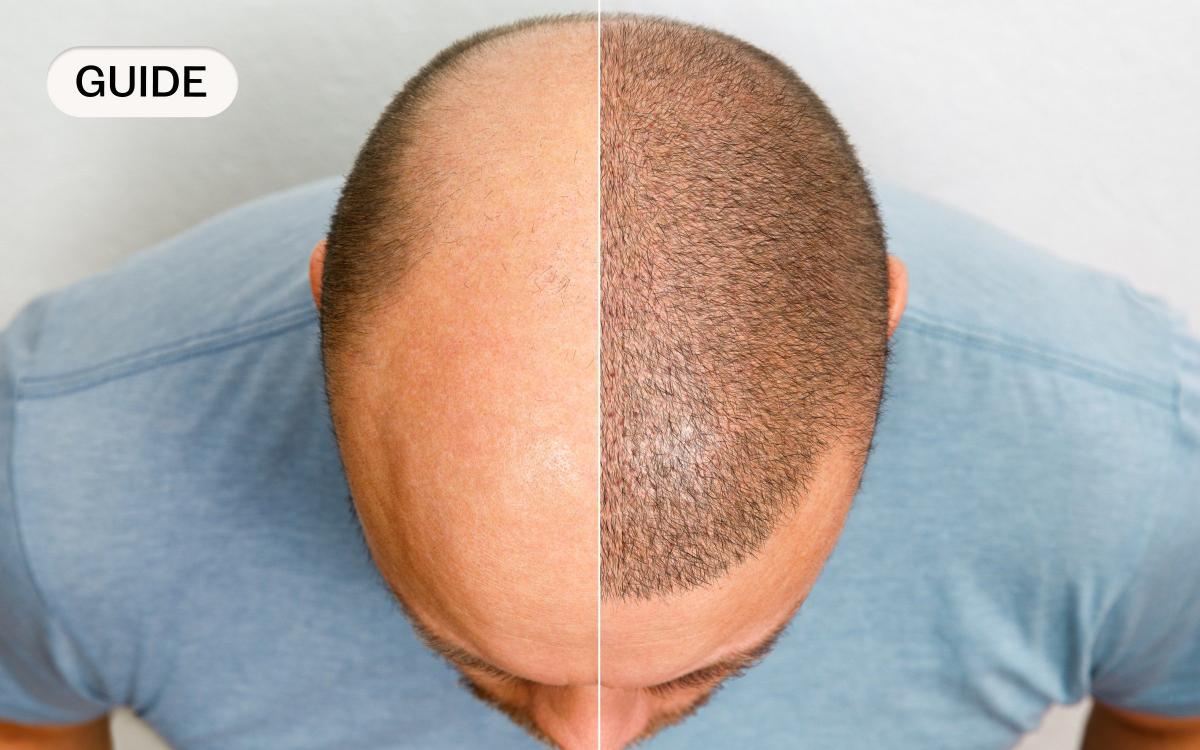
Before the Hair Transplant in Riyadh:
The "before" phase is crucial for planning and preparation.
- Initial Consultation:
- This is the most critical first step. You'll meet with a hair transplant specialist in Riyadh (e.g., at Enfield Royal Clinic, Novomed, Aesthetic Clinic Riyadh).
- Assessment: The surgeon will examine your hair loss pattern, scalp condition, and the density of your donor area (typically the back or sides of your head). They'll determine the cause of your hair loss and assess your suitability for a transplant.
- Discussion of Goals and Expectations: You'll discuss your desired hairline, density, and overall aesthetic goals. It's vital to have realistic expectations, and the surgeon will guide you on what's achievable.
- Technique Recommendation: Based on your needs, the surgeon will recommend the most suitable technique (FUE, DHI, Robotic FUE, or in some cases, FUT), explaining the pros and cons of each.
- Cost Estimation: You'll receive a detailed cost breakdown, which can vary significantly based on the number of grafts, the chosen technique, and the clinic's reputation. Prices in Riyadh generally range from SAR 4,000 to SAR 40,000+.
- Medical History Review: Be prepared to provide your full medical history, including any existing conditions, allergies, and medications you are currently taking.
- Pre-Care Instructions (leading up to the procedure):
- Medication Adjustments: You will likely be advised to stop certain medications, especially blood thinners (like aspirin, ibuprofen, certain supplements) at least 1-2 weeks before surgery to minimize bleeding risk. If you are on Minoxidil, you may be asked to stop it about 3 weeks prior.
- Smoking and Alcohol: It's crucial to quit smoking and avoid alcohol for at least 3-7 days (or even longer, ideally 2 weeks) before the procedure. Both can impair healing and affect blood flow.
- Caffeine: Some clinics might advise reducing caffeine intake a day or two before.
- Hair Washing: You'll be instructed to wash your hair thoroughly the night before or the morning of the surgery to ensure your scalp is clean.
- Hair Length: Do not shave your head before the initial consultation. The clinic will usually trim or shave the donor area just before the operation.
- Sleep and Hydration: Get a good night's sleep before the surgery and stay well-hydrated.
- Comfortable Clothing: On the day of the procedure, wear comfortable, loose-fitting clothing that buttons up or has a wide neck, to avoid pulling anything over your head after the transplant.
During the Hair Transplant in Riyadh:
Hair transplant procedures in Riyadh are typically performed in a single session, lasting several hours.
- Arrival and Final Preparation: Upon arrival, you'll have a final review of your hairline design with the surgeon. Your donor and recipient areas will be prepped and cleaned.
- Local Anesthesia: The scalp will be numbed with local anesthesia. This is often the only part of the procedure where you might feel a slight sting, but the rest of the process should be pain-free.
- Hair Extraction (FUE/DHI):
- FUE: Individual follicular units are extracted from the donor area using a micro-punch tool.
- DHI: Similar extraction, but the implantation is done directly using a Choi Implanter Pen.
- Robotic: A robotic system assists in the FUE extraction.
- Graft Preparation: The extracted grafts are meticulously sorted and prepared under a microscope to ensure their viability.
- Recipient Site Creation & Implantation:
- In FUE, the surgeon creates tiny incisions in the recipient area, and then the prepared grafts are carefully inserted into these incisions, mimicking natural hair growth patterns.
- In DHI, the grafts are placed directly into the recipient area using the implanter pen, which simultaneously creates the site and implants the graft.
- Duration: The procedure can take anywhere from 4 to 8 hours, depending on the number of grafts. You may have breaks during this time.
- Comfort: Clinics strive to make you comfortable, offering refreshments, entertainment, or simply a relaxed environment.
After the Hair Transplant in Riyadh:
The post-operative period is crucial for the success and natural appearance of your transplant. Patience and adherence to aftercare instructions are key.
Immediately After (Day 1-4):
- Bandages: Your scalp will be bandaged, especially the donor area. The clinic will provide instructions on when and how to remove them.
- Swelling: It's common to experience some swelling on the forehead and around the eyes, peaking around days 2-4. This usually subsides on its own.
- Redness and Scabbing: The transplanted area will appear red and may have small scabs forming around each graft. The donor area might also be red with tiny dots.
- Discomfort/Pain: Mild discomfort or soreness in the donor area is normal. You'll be prescribed pain medication if needed.
- Sleeping Position: You'll need to sleep with your head elevated (often with a special pillow) for the first 5-7 days to minimize swelling and protect the new grafts.
- No Touching/Washing: Avoid touching the transplanted grafts. You will generally be instructed not to wash your hair for the first 2-4 days.
- Avoid: Strenuous activities, direct sun exposure, alcohol, and smoking.
First 1-2 Weeks:
- First Wash: The clinic will guide you on your first gentle hair wash, usually around day 3-5, using a specialized shampoo and gentle technique. This helps remove scabs.
- Scab Shedding: Scabs will gradually start to fall off between day 7-14. It's important to allow them to detach naturally and not pick at them.
- Itching: Itching is common as the scalp heals. Resist scratching to avoid dislodging grafts. Saline sprays often help.
- Return to Activities: Most patients can return to light, non-strenuous work within a few days to a week. Avoid heavy lifting and intense exercise for at least 2-4 weeks.
- Sun Protection: Continue to protect your scalp from direct sun exposure with a loose hat or by staying indoors.
1-4 Months (The "Ugly Duckling" Phase):
- "Shock Loss": This is a normal and expected phase. Around 2-4 weeks after the transplant, the transplanted hairs will shed. This is because the follicles enter a resting phase due to the trauma of transplantation. Do not be alarmed; the follicles themselves are still intact.
- New Growth Begins: Around 3-4 months, you will start to see new, fine hairs beginning to emerge from the transplanted follicles. This growth can be patchy and thin at first.
- Patience is Key: This phase can be emotionally challenging, as you might look like you did before the transplant or even worse due to shock loss. Remind yourself that this is a temporary and necessary part of the process.
5-12 Months (Growth and Thickening):
- Consistent Growth: Hair growth will become more consistent and noticeable.
- Thickening: The new hairs will gradually thicken and mature, gaining density and natural texture.
- Styling: By 6-8 months, you should have enough growth to start styling your hair.
- Significant Results: By 9-12 months, you will see about 60-80% of your final results, with a noticeable improvement in density and coverage.
12-18 Months (Final Results):
- Full Maturation: The transplanted hair will have fully grown, matured, and blended with your existing hair.
- Maximum Density: You'll achieve the maximum possible density and the final aesthetic outcome.
- Permanent Solution: The transplanted hair is generally permanent and will continue to grow for a lifetime, as it's typically taken from areas resistant to balding.
Ongoing Care:
- Follow-up Appointments: Attend all scheduled follow-up appointments with your clinic in Riyadh to monitor your progress.
- Prescribed Medications/Products: Continue any prescribed medications (like Finasteride or Minoxidil) or recommended hair care products as advised by your surgeon to maintain existing hair and optimize transplanted hair health.
By understanding this timeline and diligently following your clinic's instructions, you can maximize your chances of a successful and satisfying hair transplant result in Riyadh.