
The dental implants process usually begins with a detailed consultation with a qualified dentist or implant specialist. During this stage, the dentist evaluates your oral health, jawbone strength, and overall suitability for the procedure. X-rays, digital scans, or 3D imaging may be used to assess bone density and identify the exact placement for the implant. Patients are also asked about their medical history, medications, and lifestyle habits such as smoking that may affect healing. This step is crucial because a well-planned treatment ensures higher success rates. The dentist will also explain the treatment timeline, estimated costs, and any additional procedures such as bone grafting if the jawbone lacks sufficient support.
Preparing the Jawbone for Implant Placement
In some cases, the jawbone may not be strong enough to hold the implant securely. If that happens, the dentist may recommend a bone graft procedure before placing dental implants. Bone grafting involves adding bone material to strengthen the jaw so that it can support the implant post. This healing phase can take several weeks or months depending on the patient’s condition. Although it may extend the overall timeline, this step significantly improves implant stability and long-term success. Proper preparation of the jawbone ensures the implant integrates naturally with the bone and functions like a real tooth root.
Implant Placement Surgery
Once the jawbone is ready, the dental implant is surgically placed into the bone. The implant itself is usually a small titanium post that acts as an artificial tooth root. The procedure is typically performed under local anesthesia, so patients usually feel minimal discomfort. After placement, the gum tissue is stitched, and the healing process begins. This stage is called osseointegration, where the implant gradually bonds with the jawbone. This natural fusion can take around three to six months. During this time, patients may receive temporary restorations or be advised to avoid putting pressure on the implant area.
Attaching the Abutment and Artificial Tooth
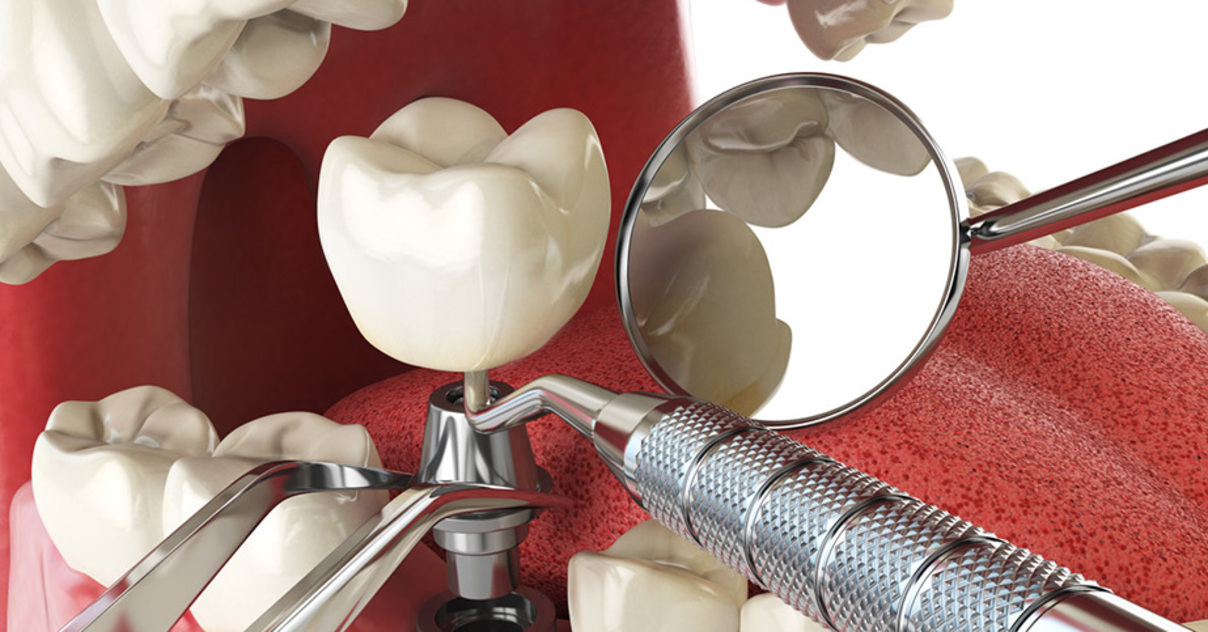
After successful healing, the next step is attaching an abutment. The abutment is a small connector that holds the final artificial tooth, crown, or bridge in place. A minor procedure is performed to expose the implant and secure the abutment. Once the gums heal around it, impressions of the mouth are taken to design a custom dental crown that matches the color, shape, and size of the surrounding teeth. The final crown is then attached to the abutment, completing the dental implants treatment and restoring both function and appearance.
Post-Treatment Care and Long-Term Maintenance
Caring for dental implants is similar to caring for natural teeth. Maintaining good oral hygiene is essential for long-term success. Patients should brush twice daily, floss regularly, and attend routine dental checkups to monitor the health of the implant and surrounding gums. Avoiding habits such as smoking and teeth grinding can also improve implant longevity. With proper care, dental implants can last many years and provide a reliable solution for replacing missing teeth while improving chewing ability and confidence.
Bottom-Line
Understanding the dental implants treatment process helps patients feel more confident and prepared for the procedure. From the initial consultation to the placement of the final crown, each step is carefully designed to ensure durability, comfort, and natural-looking results. With the right planning and proper aftercare, dental implants offer a long-term solution that restores both oral function and a healthy smile.