
Introduction
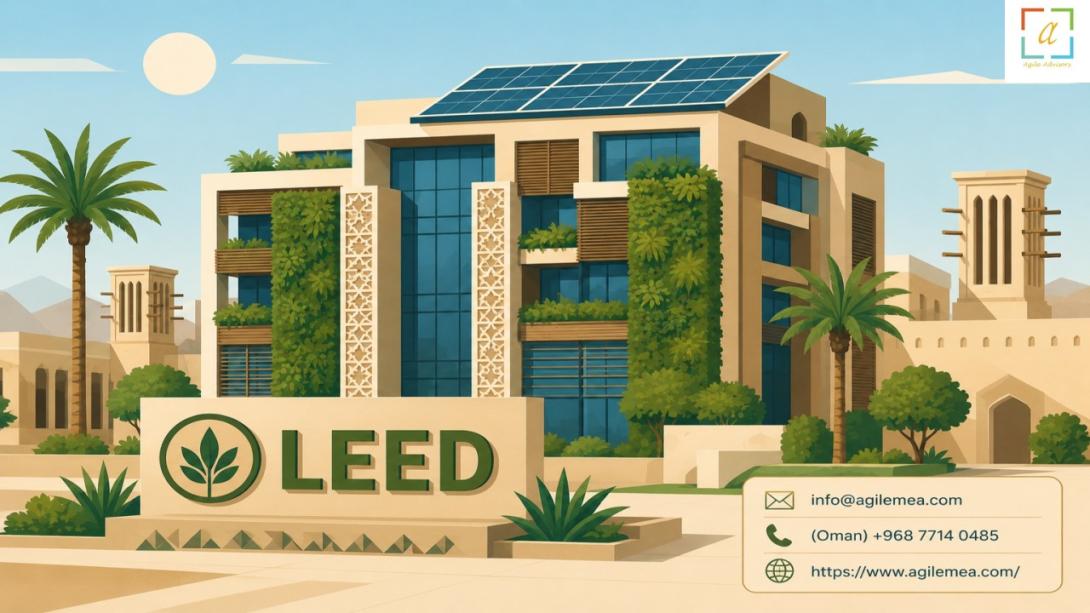
The construction and real estate sectors in the Sultanate of Oman are undergoing a significant transformation driven by the national commitment to sustainability and energy efficiency. As the country diversifies its economy and modernizes its infrastructure, the demand for environmentally responsible buildings has surged. For business continuity managers, compliance officers, and organizational leaders, achieving green building standards is no longer a mere marketing tactic but a strategic imperative. At the forefront of this movement is the pursuit of LEED certification in Oman, a globally recognized benchmark for excellence in sustainable design, construction, and operations. Navigating the complexities of this certification requires specialized knowledge, which is precisely where the expertise of a dedicated LEED Certification Consultant becomes essential for ensuring project success and long-term value creation.
Understanding LEED Certification in Oman
The Leadership in Energy and Environmental Design (LEED) framework provides a comprehensive roadmap for creating healthy, efficient, and cost-saving green buildings. Securing LEED certification in Oman signals to stakeholders, investors, and occupants that a property meets the highest standards of environmental performance and human well-being. In the Omani context, where extreme climatic conditions place significant strain on energy and water resources, LEED principles offer practical solutions for reducing consumption and operational expenses. A certified building not only minimizes its ecological footprint but also enhances asset value, attracts premium tenants, and aligns seamlessly with the nation's Vision 2040 goals for sustainable urban development. It is a robust risk management tool that future-proofs investments against rising utility costs and tightening regulatory frameworks.
The Tangible Benefits of Pursuing LEED Certification in Oman
Investing in sustainable infrastructure yields measurable returns that extend far beyond environmental compliance. For organizations operating in Oman, the advantages are particularly pronounced due to the region's focus on resource optimization. The key benefits include significant reductions in energy and water consumption, leading to lower monthly utility bills and enhanced operational efficiency. Furthermore, green buildings often command higher rental and resale values, providing a competitive edge in the real estate market. Occupants of LEED-certified spaces report higher levels of comfort, productivity, and health, which directly contributes to improved workforce retention and reduced absenteeism. Finally, demonstrating a commitment to sustainability strengthens corporate reputation, builds trust with local communities, and improves access to international financing and investment opportunities that prioritize Environmental, Social, and Governance (ESG) criteria.
Navigating the Certification Process with a LEED Certification Consultant
The pathway to LEED certification involves a meticulous process of planning, documentation, and performance verification. This journey can be daunting for internal teams who may lack specific experience in green building protocols. Engaging a skilled LEED Certification Consultant alleviates this burden by providing expert guidance through every stage of the project lifecycle. These professionals possess deep knowledge of the rating systems, from Building Design and Construction (BD+C) to Interior Design and Construction (ID+C) and Operations and Maintenance (O+M). They conduct thorough feasibility studies, identify the most cost-effective strategies for earning credits, and meticulously manage the required documentation to ensure a smooth submission to the Green Business Certification Inc. (GBCI). Their involvement is instrumental in avoiding costly delays and rework, ensuring that the project achieves its targeted certification level within budget and on schedule.
Why Your Project Demands a Professional LEED Certification Consultant
The decision to hire a consultant is a strategic investment that directly impacts the bottom line and the overall quality of the final asset. A professional consultant brings a neutral, objective perspective that is invaluable during design charrettes and contractor negotiations. They help prioritize actions that deliver the highest environmental impact for the lowest cost, such as optimizing building orientation, selecting high-performance glazing, and integrating efficient HVAC systems tailored to Oman's climate.
The specific advantages of working with a qualified expert are clear.
Ensuring accurate credit interpretation and application to avoid rejected submissions.
Streamlining the documentation process to reduce administrative burden on internal staff.
Identifying potential synergies between different sustainability measures to maximize points.
Providing training for facility management teams to maintain green performance post-occupancy.
Conclusion
For Omani enterprises committed to long-term resilience and responsible growth, embracing sustainable building practices is a critical strategic move. Achieving LEED Certification in Oman serves as a powerful testament to an organization's dedication to environmental stewardship and operational excellence. However, the complexities of the rating system require specialized navigation that only an experienced LEED certification consultant can provide. By partnering with such experts, business leaders can unlock the full potential of their properties, reduce risks, and contribute positively to Oman's sustainable future. The time to build green is now, and the right guidance ensures that your investment yields lasting dividends for both your business and the environment.