

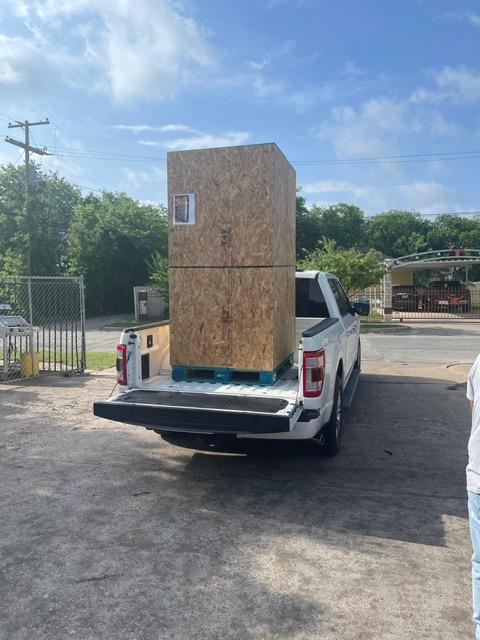
Hospitals, laboratories, clinics, research centers, and medical manufacturers depend on equipment that must reach its destination safely and in working condition. From diagnostic machines and laboratory instruments to surgical equipment and patient-care devices, medical technology can be expensive, delicate, and difficult to replace.
That makes medical equipment shipping a task that deserves careful preparation. A damaged piece of medical equipment is not simply a damaged product. It may represent a significant financial loss, delay an installation, interrupt patient services, or create problems for a healthcare facility that depends on the device.
Shipping medical equipment involves much more than choosing a carrier. The equipment may need to be cleaned, disconnected, secured, protected against movement, and packed according to its physical characteristics. The shipping route, handling requirements, destination, and storage conditions can matter as well.
With thoughtful preparation, businesses and healthcare organizations can make equipment transportation more predictable while reducing unnecessary risks.
What Makes Medical Equipment Different?
Medical equipment comes in many forms, and every type has its own transportation needs.
A portable patient monitor is obviously different from a large imaging system. A laboratory analyzer has different concerns from a hospital bed or surgical table. Some devices contain sensitive electronics, while others include glass components, moving mechanisms, screens, wheels, or precision parts.
Even equipment that appears sturdy from the outside may contain delicate components inside.
Think about a smartphone. Its outer casing may look reasonably strong, but dropping it can damage the electronics inside. Medical equipment can work in much the same way. The exterior may appear solid while important internal components remain vulnerable to shocks and vibration.
This is why the equipment should be evaluated before a shipping method is selected.
Begin With a Complete Equipment Check
The first stage of a successful shipment is understanding exactly what is being moved.
Record basic details such as the equipment's dimensions, weight, model, serial number, and general condition. Note any attachments, removable sections, cables, monitors, trays, or accessories that will travel with the main unit.
It is also useful to identify parts that should not be exposed during handling.
Manufacturer instructions deserve particular attention. Some medical devices have specific procedures for preparation, storage, orientation, or transportation. Following those instructions can help prevent mistakes that might otherwise occur during packing.
Photographs taken before the equipment is prepared can create a useful condition record. Images can show the device from several angles and document existing marks or other visible characteristics.
Cleaning and Preparing Medical Devices
Medical equipment may have been used in clinical, laboratory, or manufacturing environments, so preparation should take account of applicable cleaning and handling procedures.
The equipment should be prepared by qualified personnel when its condition, previous use, or construction requires specialized knowledge. Cleaning and decontamination requirements can vary significantly depending on the device and how it was used.
Equipment should also be disconnected appropriately before transportation. Power cords, removable accessories, and other loose items should be secured rather than left hanging or moving freely.
Preparation is especially important for equipment with adjustable sections. A movable arm, screen, drawer, or platform can become a weak point if it is allowed to shift during transportation.
The basic idea is straightforward: anything that can move unexpectedly should be considered before the equipment begins its journey.
Why Packaging Matters So Much
Packaging serves as the equipment's first line of defense during transportation.
A medical device may encounter vibration, bumps, handling, temperature changes, moisture, dust, and repeated loading or unloading. Packaging should therefore do more than make the shipment look neat.
It should help control movement and shield vulnerable surfaces.
This is where custom packaging and shipping services can provide an important advantage. Instead of using a generic container, custom packaging can be planned around the size, shape, weight, and sensitive areas of the specific device.
Consider shipping a fragile piece of laboratory equipment inside a container with a large amount of empty space. Even if the container is strong, the equipment could shift whenever the shipment moves. Properly planned packaging reduces that unwanted movement.
Custom Crating Can Provide Added Protection
For larger or higher-value medical devices, a custom-built crate may be appropriate.
A crate can be designed to accommodate the equipment's shape while providing suitable support and access for handling. Internal supports can help keep the device positioned correctly rather than allowing it to move freely inside the container.
The design should also consider how the crate will be lifted or moved.
For example, a heavy medical device may require a forklift or other appropriate handling equipment. The crate should therefore be designed with practical handling considerations in mind.
AA&D Crating can naturally fit into this part of the process when specialized crating is needed for medical equipment and other valuable devices.
The purpose of custom crating is not simply to surround the equipment with wood. It is to create a protective structure suited to the particular shipment.
Protect Delicate Components Individually
Not every part of a medical device needs identical protection.
A metal frame may be able to withstand conditions that would damage a glass display or electronic control panel. A touchscreen may need surface protection, while a movable component may need to be immobilized.
Before packaging, identify the parts most likely to be affected by impact, vibration, pressure, or contact with other objects.
Cables and accessories should also be organized. Loose cords can become tangled or damaged, while small components can be misplaced if they are not clearly identified.
A well-prepared shipment treats the equipment as a collection of important parts rather than one large object.
Consider Temperature and Moisture
Medical equipment can be sensitive to environmental conditions.
Moisture may contribute to corrosion or affect electrical components. Temperature extremes may also matter for certain devices or materials. Some equipment may have manufacturer-specified storage or transportation conditions that need to be followed.
The appropriate protection depends on the device.
Not every shipment requires the same environmental safeguards. However, temperature and humidity should not be ignored simply because the equipment is enclosed in a vehicle.
Long-distance transportation, seasonal weather, temporary storage, and international travel can all change the conditions a shipment experiences.
Choosing the Appropriate Shipping Method
There is no single transportation solution for every medical device.
Smaller equipment may be suitable for conventional freight services, while large hospital or laboratory systems may require specialized transportation. Enclosed vehicles can be useful when protecting equipment from outdoor exposure is a priority.
The dimensions and weight of the device are important, but they are not the only considerations.
The packaging method, loading requirements, delivery location, schedule, and handling instructions should all influence the transportation decision.
For equipment crossing international borders, additional paperwork and customs requirements may apply. Organizations should allow time to address those requirements rather than treating them as an afterthought.
The right shipping method is the one that fits the entire situation, not necessarily the one with the lowest initial price.
Plan How the Equipment Will Be Loaded
Loading can place considerable stress on a large medical device if it is not carefully organized.
Before moving the equipment, determine how it will travel from its current position to the shipping vehicle. Check doorways, corridors, ramps, elevators, and other parts of the route.
The team should also know what lifting equipment is appropriate.
A heavy device should not be lifted from an unsuitable section simply because that location is convenient. Manufacturer-approved lifting points and handling instructions should be followed where available.
Careful positioning during loading can prevent unnecessary contact with walls, floors, vehicles, and other objects.
Secure the Shipment for Transportation
Once the equipment is inside the vehicle or container, it should remain stable throughout the trip.
Vehicles naturally move. Acceleration, braking, turns, uneven roads, and changes in speed can cause unsecured equipment to shift.
A medical device that moves several inches inside a vehicle may collide with another object or place stress on components that were not designed to handle that force.
Appropriate restraints and supports help keep the equipment where it belongs.
The exact method depends on the machine, packaging, vehicle, and applicable requirements. The load should also be checked before departure to confirm that it is positioned and secured properly.
Think About the Delivery Location Early
One of the easiest mistakes to make is focusing entirely on pickup.
The destination matters just as much.
Before shipping, confirm that the receiving location can accommodate the equipment. Consider the entrance dimensions, available floor space, unloading area, elevators, ramps, and equipment needed to move the device after it comes off the truck.
For a large medical system, these details can be especially important.
Imagine ordering a large refrigerator without measuring the doorway. The refrigerator might arrive perfectly, but that does not help if it cannot enter the building. Medical equipment can create the same problem on a much larger and more expensive scale.
Planning the final few feet of the journey can therefore prevent major delays.
Keep Everyone Informed
Medical equipment shipments may involve manufacturers, healthcare organizations, logistics providers, installers, technicians, warehouse personnel, and receiving teams.
Clear communication helps everyone understand what is being shipped and how it should be handled.
Shipping documents can include equipment identification, dimensions, weight, handling instructions, destination information, and other relevant details. Labels should be easy to understand and visible where appropriate.
If an item needs to remain upright or has specific handling requirements, that information should be communicated clearly.
Good communication reduces the chance that someone unfamiliar with the equipment will make an assumption during loading or unloading.
Document the Equipment's Condition
Before the equipment leaves its original location, create a condition record.
Photographs can document the exterior, controls, screens, accessories, and other visible components. Serial numbers and identifying information can also be recorded.
This documentation can be useful when the equipment is expensive or when several organizations are involved in the shipment.
At delivery, the receiving team can compare the equipment with its original condition record. If something appears damaged, documenting the issue promptly can make the next steps easier.
Records are particularly valuable when equipment is being shipped for installation, repair, resale, relocation, or long-term storage.
What About Used Medical Equipment?
Used medical equipment often requires additional attention because its condition may already show signs of previous use.
Before shipment, the equipment should be inspected and its condition documented. Removable accessories should be identified, and the device should be prepared according to appropriate cleaning and handling requirements.
The packaging should protect existing components without creating confusion about their condition.
For buyers receiving used equipment, accurate documentation can help distinguish pre-existing marks from transportation-related damage.
Avoid These Common Shipping Problems
Many shipping difficulties can be prevented with basic preparation.
Inaccurate measurements
Incorrect dimensions can affect packaging, vehicle selection, and delivery access.
Insufficient internal support
A strong exterior container cannot compensate for equipment that moves freely inside it.
Loose accessories
Unsecured cables, attachments, and small components can be damaged or lost.
Poor delivery planning
A shipment can arrive on schedule and still face delays if the destination is not ready.
Choosing solely on price
The least expensive transportation quote may not offer the right handling or protection for valuable equipment.
Rushing preparation
Last-minute packing can lead to overlooked components, incomplete documentation, or unsuitable packaging.
Taking time to address these details before departure is usually easier than trying to correct a problem after the shipment is already moving.
When Professional Packaging Support Makes Sense
Some medical devices are straightforward to transport. Others require specialized preparation because of their size, value, sensitivity, or unusual construction.
Professional packaging providers can help businesses determine how a particular piece of equipment should be contained and supported. They can also consider practical issues such as lifting access and transportation conditions.
This can be particularly useful when an organization does not regularly ship large medical devices.
Custom packaging and shipping services can provide a more tailored approach than ordinary packing materials. Instead of asking the equipment to fit the packaging, the packaging is planned around the equipment.
That distinction can be important when the shipment represents a substantial investment.
A Smooth Shipment Starts With the First Decision
Successful medical equipment shipping is built through a series of sensible choices.
First, understand the device. Then prepare it correctly. Identify vulnerable components and protect them. Select packaging that matches the equipment. Choose transportation based on the complete journey. Plan loading and unloading before moving day. Document the condition and communicate handling requirements to everyone involved.
None of these steps has to be unnecessarily complicated.
The most effective approach is often the most organized one. When the equipment, packaging, transportation, and destination are considered together, there are fewer opportunities for unpleasant surprises.
Conclusion
Medical equipment plays an important role in healthcare, research, diagnostics, and patient services. Because many devices are valuable and sensitive, transporting them safely requires more planning than an ordinary shipment.
Proper preparation helps protect equipment from movement, impact, moisture, and other transportation challenges. Custom crating can provide additional support for large or unusual devices, while careful loading and delivery planning can prevent problems at both ends of the journey.
For organizations handling specialized equipment, custom packaging and shipping services can make the process more manageable by providing protection designed around the actual device. Working with an experienced provider such as AA&D Crating can also help address the unique packaging needs that arise when valuable equipment must travel.
The ultimate goal is simple: the medical device should arrive safely, remain properly protected throughout its journey, and reach its destination ready for the next stage of its service.