

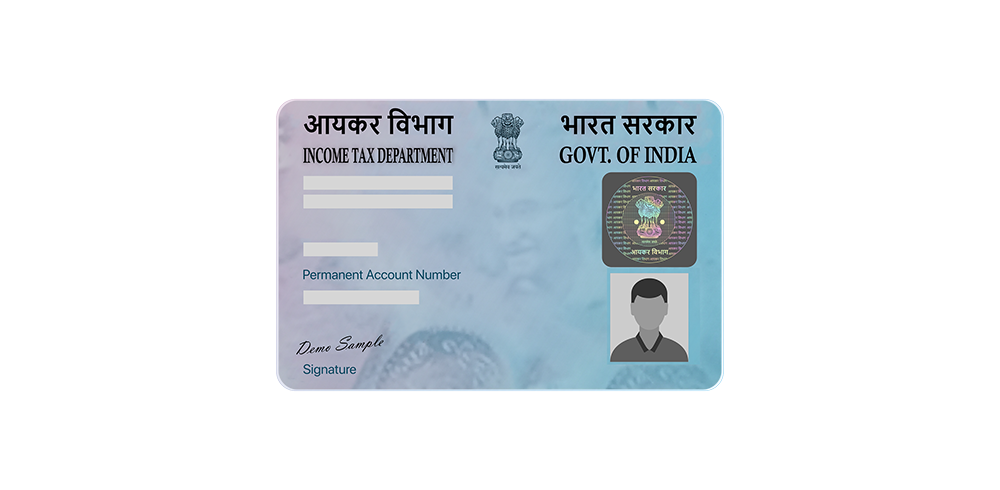
In today's fast-paced digital world, understanding financial documentation and identification processes is essential. One such critical document is the PAN card, which holds significant importance in India. In this article, we will explore the PAN full form, real-world applications of this document, and the process of obtaining one, while also shedding light on the area code for PAN card. Whether you're a resident Indian or someone planning to engage in business or financial activities in India, this guide aims to clarify everything you need to know.
What is PAN?
The PAN full form is Permanent Account Number. It is a ten-digit alphanumeric identifier issued by the Income Tax Department of India. The primary purpose of the PAN is to facilitate the tracking of financial transactions and ensure that individuals and entities pay their taxes correctly.
Why is PAN Important?
- Tax Identification: PAN serves as a crucial identifier for taxpayers. It links all financial transactions to the individual or entity, preventing tax evasion.
- Banking Transactions: It is mandatory for opening a bank account in India and for various financial transactions, like applying for a loan.
- Investments: Whether purchasing shares, mutual funds, or any other investment, PAN is required.
- Government Transactions: PAN is essential when dealing with any financial department of the government, such as paying taxes or securing a subsidy.
Real World Examples of PAN Usage
Example 1: Filing Income Tax Return (ITR)
Imagine Anjali, a salaried professional in Mumbai. Every year, she has to file her ITR. The first step is to provide her PAN, which helps the Income Tax Department identify her tax records. Without a PAN, she cannot file her return, leading to penalties.
Example 2: Opening a Bank Account
Rohan, a college student, wants to open a savings account. The bank requests his PAN as part of the KYC (Know Your Customer) process. Without it, Rohan would be unable to avail banking facilities, limiting his opportunities for savings or transactions.
Example 3: Purchasing Mutual Funds
Priya is a working professional who wants to invest in mutual funds. When she approaches an investment firm, she must provide her PAN. This not only verifies her identity but also ensures tax accountability on her investments.
Example 4: Buying High-Value Goods
Rahul decides to buy a luxury car. When making this high-value purchase, the dealership requires his PAN to process the transaction. This step helps track large spending habits and curb black money.
How to Obtain a PAN Card?
Obtaining a PAN card is a straightforward process:
- Application: Fill out the application form (Form 49A for Indian citizens or Form 49AA for foreign citizens).
- Documents Required: Submit necessary documents such as proof of identity, address, and date of birth.
- Payment: Pay the applicable fee and submit the application online or through designated centers.
- Receive PAN Card: Once processed, the PAN card will be sent to your address.
Area Code for PAN Card
Understanding the area code for PAN card details is important when dealing with PAN-related records. Every PAN card is associated with an area code. This code is crucial as it indicates the location where the PAN was issued and is part of the PAN format. Typically, the first five characters of a PAN refer to the individual’s name, the sixth character is a designation card describes the entity type, and the last four characters are a unique serial number assigned by the Income Tax Department.
Understanding PAN Application and Usage
PAN plays an important role across different financial activities in India. It helps establish tax identity, supports compliance requirements, and is used when completing various banking and investment-related processes. Understanding where and when PAN details are required can help individuals complete financial transactions more smoothly.
When applying for a PAN, it is important to provide accurate personal details and the required supporting documents. Applicants should also keep their PAN information available for tax-related activities, investments, banking requirements, and other transactions where identification or financial records are necessary.
Maintaining accurate PAN information can also help avoid difficulties when completing important financial processes. Individuals should ensure that the information associated with their PAN remains consistent with the details used across relevant financial and official records.
Conclusion
Understanding the PAN full form and its significance in everyday financial transactions is essential for anyone engaging with India's financial ecosystem. From tax filing to making investments, the PAN card plays a pivotal role in ensuring compliance and transparency.
If you are yet to obtain yours, follow the simple process outlined above to secure your PAN. Whether you're filing taxes, making investments, or opening a bank account, having a PAN card is non-negotiable.
For more financial tips and guidance, explore our financial literacy section.
This guide ensures you're well-informed regarding the importance of PAN and how to smoothly navigate the process of acquiring one. Don't hesitate to reach out for further assistance or clarification on any financial matters!