
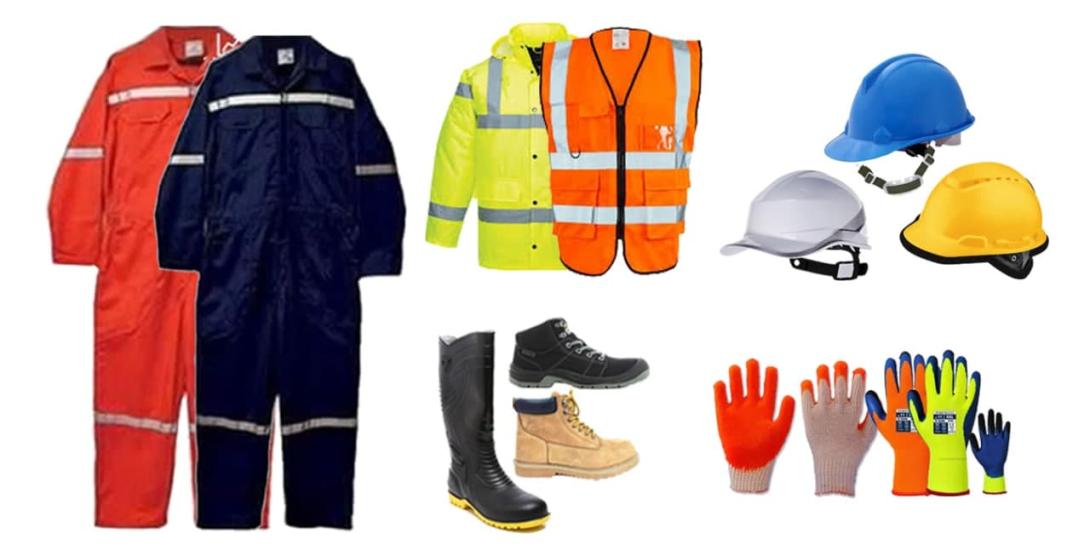
Personal Protective Clothing Suppliers: Delivering Safety, Compliance, and Reliability
Personal protective clothing suppliers play a vital role in maintaining workplace safety across high-risk industries. From construction sites and manufacturing plants to oil refineries and utility sectors, businesses depend on reliable suppliers to provide certified protective apparel that meets strict safety regulations. Choosing the right personal protective clothing suppliers ensures not only compliance but also long-term protection for employees working in hazardous environments.
These suppliers specialize in delivering garments designed to shield workers from heat, flames, chemicals, electrical hazards, and mechanical risks. By offering tested and approved products, they help organizations create safer and more productive workplaces.
The Role of Personal Protective Clothing Suppliers in Workplace Safety
Trusted personal protective clothing suppliers go beyond simply selling safety gear. They provide guidance on regulatory compliance, assist with hazard assessments, and recommend appropriate protective solutions based on industry needs. Standards set by the Occupational Safety and Health Administration (OSHA) require employers to provide suitable personal protective equipment (PPE) to workers exposed to hazards.
Professional suppliers ensure that their clothing lines meet nationally recognized safety standards, including flame resistance, arc flash protection, and chemical resistance certifications. Their expertise helps companies reduce liability, prevent injuries, and maintain operational continuity.
Importance of Fire Resistant Work Clothes in High-Risk Industries
Among the most critical products offered by personal protective clothing suppliers are fire resistant work clothes. These garments are specifically engineered to resist ignition and prevent flames from spreading across the fabric. In industries such as oil and gas, electrical utilities, welding, and heavy manufacturing, exposure to flash fires or arc flashes can occur unexpectedly.
Fire resistant work clothes are made using specialized fibers or treated fabrics that self-extinguish when exposed to heat. Unlike standard clothing that may melt and cause severe burns, fire resistant garments maintain their structural integrity under extreme temperatures, providing crucial escape time and reducing injury severity.
What to Look for in Personal Protective Clothing Suppliers
Selecting the right supplier requires careful evaluation. Reliable personal protective clothing suppliers typically offer:
- Certified and compliant safety apparel
- Durable, high-performance fabrics
- Custom sizing and branding options
- Consistent inventory availability
- Technical support and product expertise
Suppliers should also stay updated with safety guidelines from organizations such as the National Fire Protection Association (NFPA), which develops standards for flame-resistant garments used in hazardous workplaces.
Industries That Rely on Quality Protective Apparel
Construction companies, petrochemical facilities, power generation plants, mining operations, and transportation services all depend on reputable personal protective clothing suppliers. In these industries, fire resistant work clothes are not optional—they are a mandatory safety requirement that protects workers from life-threatening hazards.
Investing in high-quality protective garments also enhances employee confidence, improves productivity, and reduces downtime caused by workplace accidents.
Conclusion
Personal protective clothing suppliers are strategic partners in workplace safety. By delivering certified fire resistant work clothes and other protective solutions, they help businesses comply with regulations, minimize risks, and protect their most valuable asset—their workforce.