

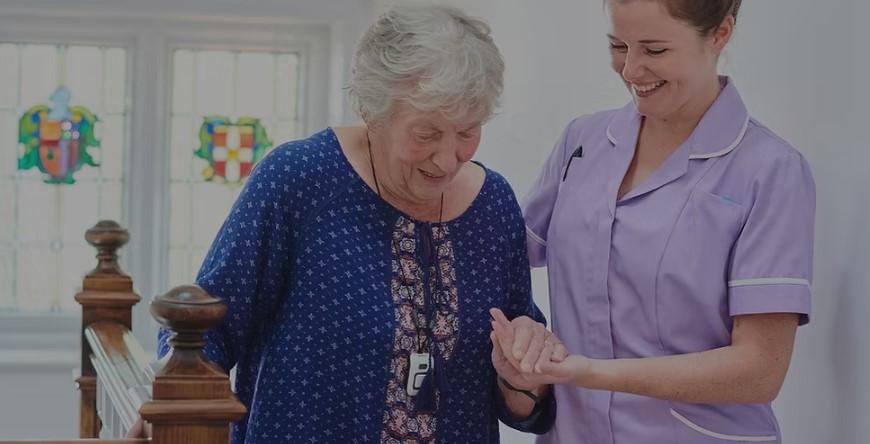
For many individuals and families, receiving care at home offers the ideal balance between professional support and personal independence. Whether someone is recovering from surgery, managing a long-term health condition, or simply requires assistance with daily activities, remaining in familiar surroundings can make a significant difference to both physical and emotional well-being. Home provides comfort, security, and a sense of routine that many people value throughout every stage of life.
As demand for flexible care continues to grow, private home care services have become an increasingly popular choice. They provide tailored support designed around the individual's specific needs rather than a standard approach. This personalised model allows people to receive high-quality care while maintaining control over their daily lives and remaining in the place they know best.
What Are Private Home Care Services?
Private home care involves professional care delivered directly in an individual's own home. Services are arranged to suit personal requirements, offering flexibility that can range from a few hours of assistance each week to comprehensive daily or live-in care.
Care plans are developed after carefully assessing the individual's circumstances, health conditions, lifestyle, and personal preferences. This ensures that every aspect of support reflects what is most important to the person receiving care.
Professional caregivers may assist with personal hygiene, dressing, meal preparation, medication reminders, mobility support, companionship, household tasks, shopping, and transportation to appointments. Every service is designed to promote independence while providing reassurance and practical assistance whenever required.
Why More Families Choose Care at Home
One of the greatest advantages of home care is the opportunity to remain in familiar surroundings. Staying at home allows individuals to continue enjoying their own routines, treasured possessions, and close relationships with family, neighbours, and friends.
Familiar environments often reduce anxiety and contribute to emotional stability, particularly for older adults or people living with long-term medical conditions. Rather than adapting to a new setting, individuals receive support that fits naturally into their existing lifestyle.
Home care also encourages independence. Professional caregivers work alongside clients rather than taking over completely, helping them remain actively involved in daily activities whenever possible. This approach preserves confidence and supports a greater sense of dignity.
Family members also benefit from knowing their loved one is receiving compassionate, reliable care from trained professionals. This reassurance allows families to focus on enjoying quality time together instead of managing every aspect of caregiving alone.
The Value of Personalised Care
No two people have identical care needs, which is why individualised support is one of the defining strengths of home care.
High-quality private home care services place the individual at the centre of every care decision. Caregivers take time to understand routines, preferences, medical requirements, dietary needs, cultural values, and personal goals before providing assistance.
This personalised approach creates stronger relationships between caregivers and clients while ensuring that support remains respectful and appropriate. Regular reviews also allow care plans to evolve as circumstances change, providing the flexibility needed for both short-term recovery and long-term support.
Emotional Well-Being Is an Essential Part of Care
Excellent home care extends beyond meeting physical needs. Emotional support plays an equally important role in maintaining overall health and quality of life.
Many individuals receiving care spend long periods alone due to reduced mobility or changing family circumstances. Regular visits from compassionate caregivers provide meaningful conversation, encouragement, and companionship that help reduce feelings of loneliness and isolation.
Caregivers often become trusted companions who understand their clients' personalities, interests, and routines. These relationships contribute to emotional resilience while encouraging individuals to remain socially active and engaged with activities they enjoy.
Choosing the Right Home Care Provider
Selecting a home care provider is one of the most important decisions a family can make. Beyond professional qualifications, families should look for providers who demonstrate compassion, reliability, and a genuine commitment to person-centred care.
A reputable provider will begin with a comprehensive assessment before developing a personalised care plan. Ongoing communication, regular care reviews, and consistent caregiver assignments all contribute to building trust and delivering high-quality support.
Experience, professional training, and clear communication are essential, but so are kindness, patience, and respect. These qualities allow caregivers to build meaningful relationships that enhance both the practical and emotional aspects of care.
Conclusion
Private home care offers a flexible and compassionate solution for individuals who wish to remain independent while receiving professional support in the comfort of their own homes. By combining personalised care plans, experienced caregivers, and meaningful companionship, home care helps people maintain their routines, confidence, and quality of life.
For families seeking reliable and tailored support, private home care provides peace of mind through services that evolve alongside changing needs. With the right care provider, individuals can continue living safely and comfortably in familiar surroundings while enjoying the independence, dignity, and personalised attention that make home the best place to receive care.