

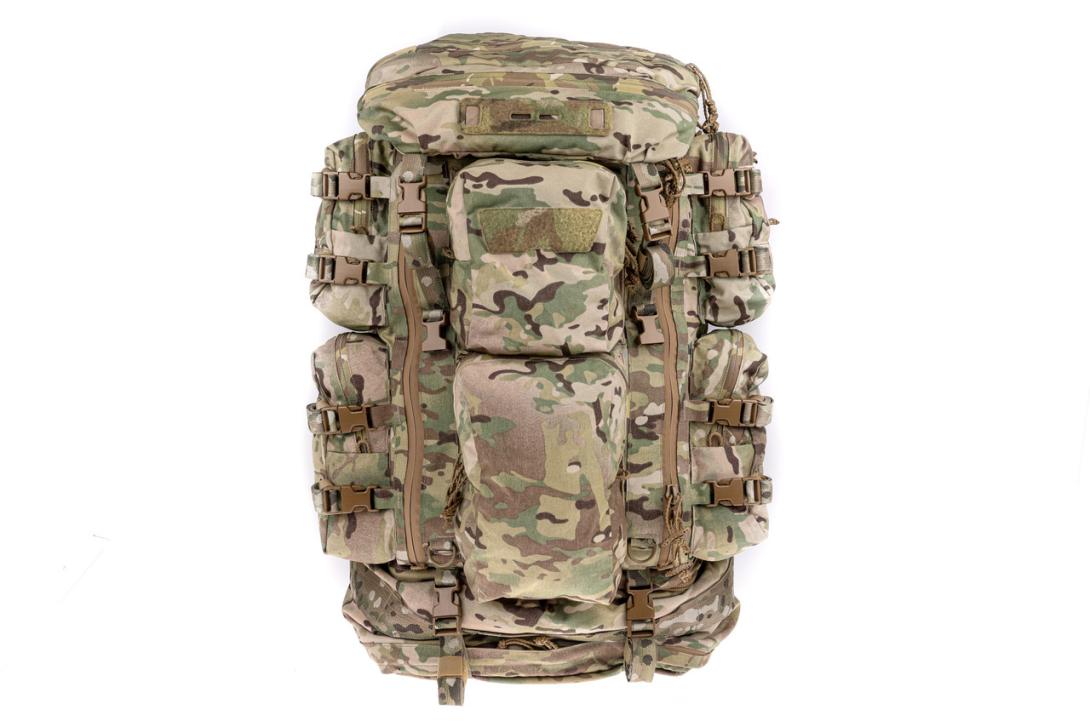
Rucksacks: How to Choose the Right Tactical Pack
Carrying gear over long distances can quickly become uncomfortable when a pack does not fit correctly. Weight may pull on the shoulders, equipment can shift, and important items may become difficult to reach.
A useful pack should distribute weight across the body while keeping essential gear organized. Shoulder straps, back support, load placement, and overall capacity all affect how comfortable a pack feels.
Choosing the largest pack is not always the best approach. A smaller load carried in a well-fitted pack can often feel easier to manage than unnecessary equipment packed into an oversized bag.
RUCKSACKS are designed to carry equipment securely across outdoor, tactical, military, travel, and field environments. Modern designs may include supportive frames, adjustable straps, MOLLE attachment areas, quick-access compartments, and modular storage options.
What Is a Rucksack?
A rucksack is a backpack built with load-carrying in mind. While the terms backpack and rucksack are often used interchangeably, purpose-built tactical rucksacks are commonly associated with larger loads, outdoor travel, military equipment, and extended field use.
The design can range from a compact day pack to a large framed system. The right choice depends on how much equipment needs to be carried and how long the pack will remain on the body.
Choose the Right Rucksack Capacity
Capacity should match the expected load rather than the idea that more space is always useful.
A compact pack may be enough for a short hike, training session, or everyday equipment. Longer trips often require more room for clothing, food, water, shelter, and other supplies.
Avoid Carrying Unnecessary Gear
Unused space often encourages overpacking. Every extra item increases overall weight and can affect balance over longer distances.
Before packing, separate equipment into essential, useful, and optional groups. This simple approach helps keep the final load more practical.
Check the Harness and Shoulder Straps
Shoulder straps should sit comfortably without digging into the body. Padding can reduce pressure, but strap shape and adjustment are equally important.
A chest strap can also help stabilize the pack during movement. Some larger systems use waist or kidney support to transfer part of the load away from the shoulders.
Pay Attention to Pack Position
A loaded rucksack should remain close to the body instead of swinging from side to side.
Heavy equipment is generally easier to manage when positioned securely rather than being allowed to move around inside the pack. Compression straps and organized compartments can help control that movement.
Internal and External Organization
One large compartment provides flexibility, but smaller pockets make frequently used equipment easier to find.
Side pockets can hold items that need quick access, while internal compartments are useful for separating smaller gear. MOLLE-compatible areas may allow additional pouches to be attached when extra organization is required.
The best setup does not use every available attachment point. External pouches should solve a real storage problem rather than simply increase the amount of equipment being carried.
Frames Can Improve Load Support
Some tactical packs use internal or external frames to create structure. A frame can help maintain the shape of the load and distribute weight more effectively.
This can be especially helpful when carrying heavier equipment for longer periods. However, frames also affect pack weight, flexibility, and overall size.
Users should consider the type of terrain and activity before deciding whether a framed or frameless system makes more sense.
Materials Matter in Demanding Conditions
Outdoor equipment regularly comes into contact with rough ground, branches, moisture, dirt, and repeated handling. Strong fabrics, reinforced stitching, quality buckles, and dependable zippers can improve long-term usability.
Water resistance is also useful, but it should not automatically be treated as complete waterproofing. Sensitive equipment may still need dry bags or separate protective covers during heavy rain.
For users comparing purpose-built load-carrying equipment, raptortactical currently offers several approaches rather than a single pack style, including the Alpha Assault Pack, Airborne ALICE Pack, Ranger ALICE Pack, and MARVN Rucksack, along with frames and sustainment accessories. This gives users room to compare pack size, structure, and modularity according to the job rather than choosing only by appearance.
Consider Modular Rucksack Features
Modular systems can be useful when equipment requirements change. Removable pouches, MOLLE panels, frames, and sustainment compartments allow a pack to be adjusted for different loads.
However, modularity works best when kept simple. Adding too many accessories can increase weight and make the outside of the pack more likely to catch on surrounding objects.
Test Comfort Before a Long Trip
A pack can feel comfortable while empty and completely different after being loaded.
Adjust the shoulder straps, chest strap, and waist support with realistic weight inside. Walk, climb stairs, bend, and sit to see whether the pack shifts or creates uncomfortable pressure.
Make small adjustments before extended use. A few minutes spent fitting the pack can make a noticeable difference over several hours.
Conclusion
The right rucksack should match the load, environment, and length of use. Capacity matters, but comfort, organization, materials, frame support, and adjustment are just as important.
Start with the equipment that genuinely needs to be carried. Then choose a pack that keeps that load stable and organized without unnecessary bulk. A simple, well-fitted setup is usually more useful than a larger pack filled with items that rarely leave the bag.
Frequently Asked Questions
What Size Rucksack Should I Choose?
Choose capacity according to the amount of equipment and length of the activity. Short trips usually require less storage, while longer field or outdoor use may require additional space for food, clothing, water, and shelter.
Are Framed Rucksacks Better for Heavy Loads?
Frames can improve structure and weight distribution when carrying heavier equipment. However, they also add weight and may not be necessary for smaller or lighter loads.
What Features Are Useful in a Tactical Rucksack?
Useful features can include adjustable padded straps, organized compartments, compression straps, durable fabric, MOLLE attachment areas, chest or waist support, and secure closures. The best combination depends on how the pack will actually be used.