
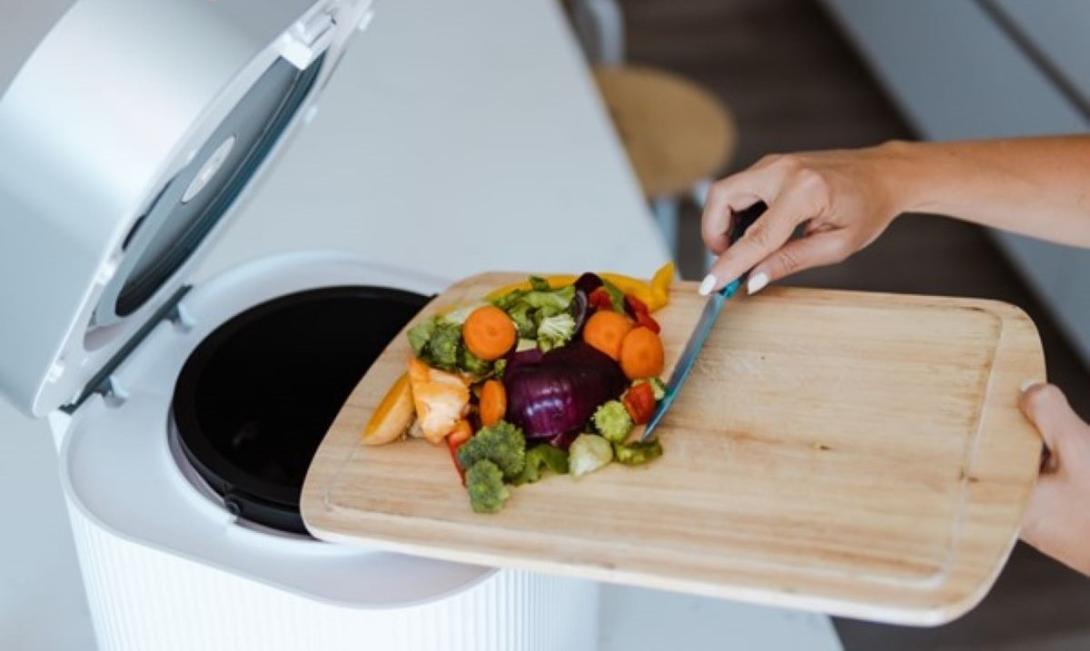
Turning food scraps into something useful used to mean months of waiting, a backyard pile, and regular turning with a pitchfork. That's changed. A new generation of countertop machines now processes kitchen waste in hours, not months, and does it without odor, pests, or outdoor space.
But the market has grown fast, and not every smart composter works the same way. Some dry and grind. Some support biological breakdown. Some connect to apps. Some don't. Prices range from under $200 to over $1,000. Choosing the right one depends on your household size, how you plan to use the output, and how much counter space you're willing to give up.
Here are five of the most notable smart composters available right now, with an honest look at what each one does well and where it falls short.

1. Vego Kitchen Composter
Vego’s smart composter machine stands out for its multi-mode system, which includes five processing options and a dedicated Vego Mode that uses low-temperature processing to preserve beneficial microbes. This produces output that's closer to true compost than what most countertop competitors generate.
It is a 4-liter composter and can hold up to 3.3lb of waste, operates at 42 decibels, and connects to a phone app that tracks cycle progress and waste volume. A built-in scale recalculates processing time when you add scraps mid-cycle. It requires VegoTabs, a proprietary microbial blend, with each batch, and provides advanced odor control with carbon filters. The unit won the 2024 Red Dot and iF Design Awards, and Bob Vila named it the best overall electric composter after hands-on testing.
Best for: Households that want biologically active output for garden use, plus app-based tracking.

2. Lomi 3 by Pela
Lomi became a household name after going viral on social media in 2021. The third-generation model is 36 percent smaller than the Lomi 2, making it a better fit for tight countertops. It uses a combination of heat, grinding, and microbial tablets to produce what the brand calls "Lomi Earth," a soil additive that still needs to be mixed with existing soil before use.
The Lomi 3 connects to an app for tracking and comes in three colorways. It processes most fruit, vegetable, and grain waste well. It requires proprietary tablets and periodic charcoal filter replacement. Cycle times vary by mode, with the fastest finishing in about three hours.Best for: Style-conscious buyers who want a compact, well-designed unit with strong brand recognition.

 3. Mill Food Recycler
Mill takes a different approach from most competitors. It looks like a modern trash can rather than a countertop appliance, and it's designed to be emptied monthly rather than after each cycle. The machine dries and grinds scraps automatically on a schedule you set through an app. It handles meat, bones, and dairy alongside standard fruit and vegetable waste.
Mill also runs a unique pickup service. If you don't want to use the output yourself, the company will collect it and convert it into chicken feed. The unit is available for purchase at $999 or as a monthly rental at $29.99. Its larger footprint makes it better suited to kitchens with floor space rather than a limited counter area.Best for: Households that produce high volumes of mixed waste and want a hands-off, set-and-forget system.

4. Reencle Home Composter
Reencle is the only major countertop unit that uses a continuous microbe colony instead of batch cycles. You add a starter culture once, and the microorganisms multiply and sustain themselves indefinitely, as long as you follow the feeding guidelines. There are no buttons to press and no cycles to start. You open the lid, add scraps, and the machine stirs and processes automatically.
It handles up to 2.2 pounds of scraps per day, with 1.5 pounds being the ideal load. The output needs to cure for about three weeks before garden use. A motion sensor opens the lid with a hand or foot swipe, though some users report the sensor triggering accidentally when people or pets walk past.Best for: Users who want a continuous-feed system with no tablets, no cycle scheduling, and minimal interaction.

5. Vitamix FoodCycler FC-50
Vitamix brought its blender-brand credibility to the composting market with the FoodCycler. The FC-50 is one of the most straightforward machines available. No app, no tablets, no subscription. You load the bucket, press start, and it dries and grinds the contents in four to eight hours. The 2-liter capacity is smaller than most competitors, but its compact size makes it one of the easiest to fit in small kitchens.
The carbon filter lid effectively controls odor, and the machine is notably quiet. It also accepts pet waste, which most competitors don't. The output is dehydrated and ground rather than biologically composted, so it works best as a pre-compost additive rather than a finished amendment.Best for: Budget-minded buyers and small households that want a simple, no-frills machine with a trusted brand name.
Which One Is Right for You?
The right smart composter depends on what matters most to your household. If you plan to use the output on a garden or houseplants, prioritize machines that support biological breakdown over simple dehydration. If you want minimal interaction, look for continuous-feed models that don't require you to start and stop cycles. If you value simplicity above all else, a no-app, no-tablet machine with a single button may be all you need. And if your household produces high volumes of mixed waste, including meat and dairy, a larger floor-standing unit with monthly emptying will save you time.Start by asking two questions: how much do I waste per day, and what will I do with the output? The answers will narrow the field fast.