
Every machine will fail one day. The real question is not if it will fail, but when. For many businesses, that moment comes without warning. Production stops. Deadlines are missed. Costs rise fast. Teams rush to fix the issue under pressure.
This is where Total Productive Maintenance changes everything.
Instead of waiting for equipment to fail, TPM builds a system that prevents failure in the first place. It creates a culture where everyone protects machines, not just the maintenance team. Over time, this approach becomes your strongest defense against unexpected shutdowns.
Let’s explore why TPM works so well and how it protects your operation.
What Is Total Productive Maintenance?
TPM stands for Total Productive Maintenance. It is a structured approach that aims to keep equipment running at its best at all times. But it goes beyond simple servicing.
TPM focuses on three main goals:
- Prevent equipment failure
- Improve machine performance
- Involve everyone in maintenance
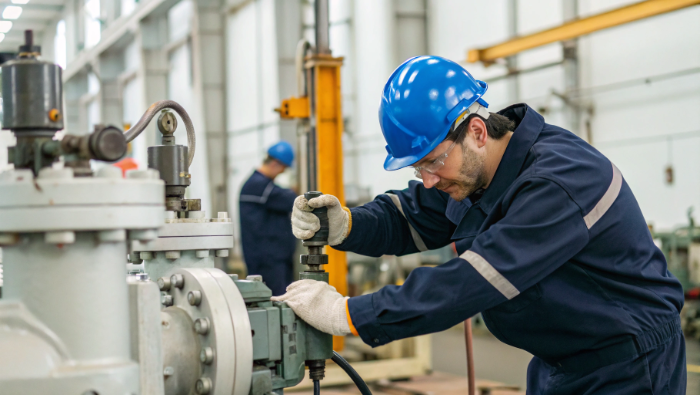
In traditional systems, maintenance is handled only by technicians. Operators simply run the machines. In TPM, operators take ownership. They clean, inspect, and monitor their equipment daily. Small issues are found early. Problems are fixed before they grow.
This shared responsibility reduces sudden failures and builds a stronger production environment.
The Real Cost of Sudden Equipment Failure
When equipment stops without warning, the damage goes beyond repair costs.
You may face:
- Lost production time
- Missed customer orders
- Overtime labor costs
- Safety risks
- Lower team morale
One unexpected failure can create a chain reaction. Teams scramble to fix the issue. Other tasks are delayed. Stress increases. Over time, this reactive style leads to more frequent failures.
That cycle is known as breakdown maintenance. It may seem simple; just fix machines when they stop, but the hidden costs are high. TPM breaks this cycle by shifting the focus from reaction to prevention.
How Total Productive Maintenance Prevents Equipment Failure
1. Early Detection of Problems
Small issues often give warning signs. A strange noise, a small leak, a loose bolt; these are easy to miss when no one is watching closely.
In TPM, operators check their machines daily. They look, listen, and feel for changes. Because they work with the equipment every day, they notice when something feels different.
Catching small problems early prevents larger failures later.
2. Routine Preventive Maintenance
TPM includes scheduled maintenance tasks. These tasks are done at set intervals based on the machine's needs.
Instead of waiting for a motor to burn out, it is inspected and serviced on time. Instead of running parts until they break, they are replaced before failure.
This planned approach reduces surprises and keeps machines stable.
3. Clear Maintenance Standards
In many facilities, maintenance tasks are done differently by each person. This leads to missed steps and uneven quality.
TPM creates clear procedures. Every inspection follows a standard checklist. Cleaning, lubrication, and tightening are done the same way each time.
Standard work builds consistency. Consistency builds reliability.
4. Shared Responsibility
When only one department handles maintenance, problems can pile up. TPM spreads responsibility across teams.
Operators perform basic care. Maintenance technicians handle complex tasks. Managers track performance data. Together, they protect equipment.
This teamwork reduces gaps and improves communication.
The Cultural Shift That Makes TPM Strong
Technology alone does not prevent failure. Culture does.
TPM creates a mindset where equipment care becomes part of daily work. Machines are no longer treated as tools that run until they fail. They are valuable assets that deserve attention.
When operators clean their equipment, they take pride in it. When teams track performance, they feel ownership. Over time, this culture reduces careless mistakes and improves discipline.
A strong culture is often the biggest difference between companies that struggle with failures and those that run smoothly.
Total Productive Maintenance Improves Equipment Efficiency
Preventing failure is only one part of the story. TPM also improves how well machines perform.
It focuses on Overall Equipment Effectiveness (OEE), which measures:
- Availability
- Performance speed
- Quality output
When machines run without interruptions, availability increases. When they are properly maintained, they run at full speed. When they operate smoothly, product quality improves.
This means fewer rejects, less waste, and better results.
Reducing Stress and Emergency Repairs
Emergency repairs create pressure. Teams work late. Spare parts may not be ready. Quick fixes are made just to restart production.
These rushed repairs often lead to repeat failures.
TPM reduces emergency work. Maintenance becomes planned, not chaotic. Teams know what to expect. Spare parts are managed properly. Work orders are scheduled in advance.
A calm maintenance system is a strong one.
Total Productive Maintenance Extends Equipment Life
Machines are expensive investments. Replacing them too soon affects profits.
When equipment is cleaned, lubricated, aligned, and inspected regularly, wear and tear slows down. Parts last longer. Performance remains stable.
Over the years, this approach has protected capital investments and lowered replacement costs.
Longer equipment life also improves return on investment.
Data and Continuous Improvement
TPM is not a one-time project. It is an ongoing process.
Teams collect data on:
- Failure frequency
- Repair times
- Root causes
- Maintenance costs
This data helps identify patterns. If one component fails often, the root cause is studied. Solutions are created to prevent repeat issues.
Continuous improvement strengthens the system over time. Each lesson makes the operation stronger.
Safety Benefits of Total Productive Maintenance
Equipment failure can create dangerous situations. Overheated motors, pressure leaks, and sudden stops can put workers at risk.
TPM reduces these hazards. When machines are maintained properly, safety risks decrease. Operators feel safer. Workplace confidence improves.
A safe workplace is more productive and more stable.
Building a Strong Foundation Against Failure
To succeed with TPM, companies must commit fully. It requires training, discipline, and leadership support.
Key steps include:
- Training operators in basic care
- Creating clear maintenance schedules
- Tracking performance metrics
- Encouraging teamwork
- Reviewing results regularly
When these elements work together, the system becomes strong.
TPM does not eliminate all failures overnight. However, it steadily reduces them. Over time, sudden shutdowns become rare events instead of common problems.
Why Total Productive Maintenance Is the Smart Long-Term Strategy
Reactive systems may seem easier at first. You fix what breaks and move on. But this approach creates long-term instability.
TPM takes effort in the beginning. Teams must learn new habits. Processes must be documented. Standards must be followed.
Yet the rewards are clear:
- Fewer unexpected stops
- Lower repair costs
- Higher equipment efficiency
- Safer operations
- Longer machine life
Most importantly, TPM gives control back to the organization. Instead of reacting to problems, you prevent them.
The True Strength of Total Productive Maintenance
The greatest strength of Total Productive Maintenance is not just technical. It is strategic.
- It protects productivity.
- It protects people.
- It protects profits.
By focusing on prevention, teamwork, and continuous improvement, TPM creates a stable and reliable environment.
Machines will always need care. But with the right system in place, failures no longer control your schedule.
That is what makes TPM your best defense.
Conclusion
The true strength of TPM Maintenance is both technical and strategic. By focusing on prevention, teamwork, and continuous improvement, TPM safeguards productivity, protects employees, and preserves profits. Machines may eventually fail, but with TPM, unexpected breakdowns no longer dictate your schedule. It is the best defense against equipment failures and unplanned downtime.
Worried about sudden equipment failures? MicroMain’s CMMS System helps you prevent emergency maintenance, save costs, and protect your team. Take control and secure your operations today!
Frequently Asked Questions
What is Total Productive Maintenance?
A structured approach where all employees care for equipment to prevent breakdowns and improve performance.
How does TPM differ from regular maintenance?
TPM involves operators daily, focuses on prevention, and reduces emergency repairs compared to traditional reactive maintenance.
Can TPM reduce costs?
Yes, by preventing failures, extending equipment life, and minimizing emergency repair expenses.
Which industries benefit most from TPM?
Manufacturing, healthcare, property management, and any operation relying on consistent machine performance.
How does TPM improve workplace safety?
Regular maintenance reduces hazards like overheating, leaks, and sudden stops, creating a safer environment for all staff.