
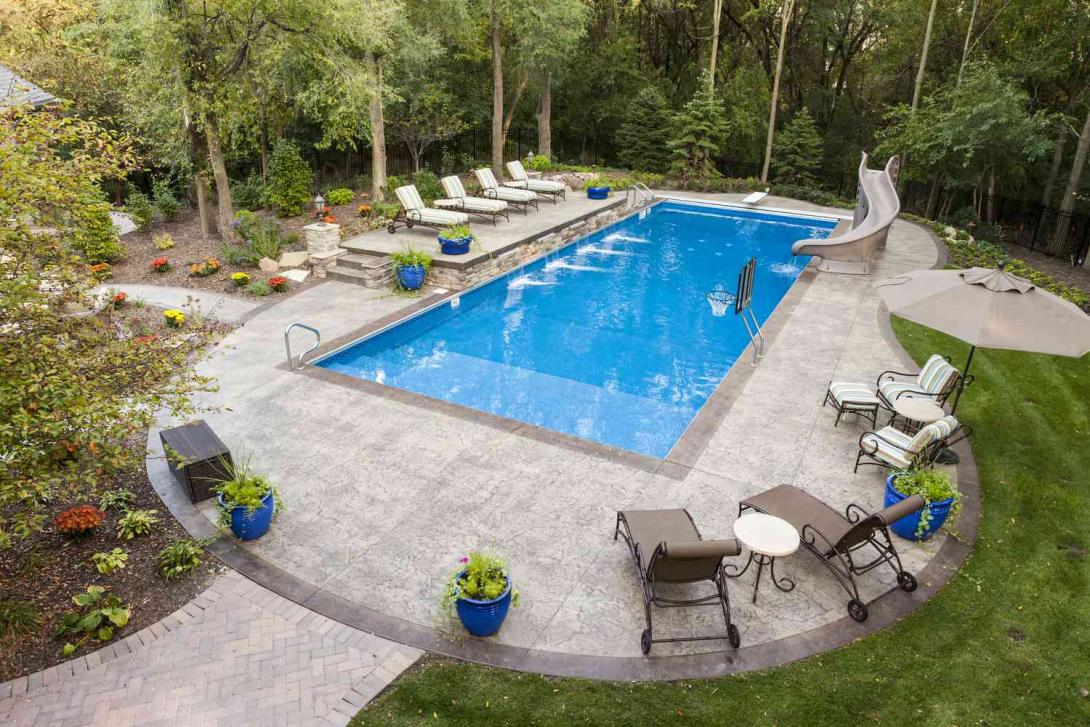
As summer approaches and swimming season kicks into high gear, families across the country look forward to spending time by the pool. While pools offer fun and relaxation, they also come with serious responsibilities — especially when children are involved.
Jordan Hidalgo, a pool care expert based in Largo, FL, shares essential pool safety tips that every parent should know. By taking a few proactive steps before summer begins, you can help ensure that your backyard oasis remains a safe and enjoyable space for the entire family.
Why Pool Safety Matters — Especially for Kids
According to the CDC, drowning is a leading cause of accidental death in children under 14. Most accidents happen in backyard pools — and they often occur silently and within seconds.
Prevention starts at home. From secure fencing to supervision and emergency preparedness, the right safety measures can make all the difference.
1. Always Supervise Children — No Exceptions
Even if your child is a strong swimmer, never leave them unattended in or near the pool — not even for a moment.
Tips:
- Designate a “water watcher” — an adult whose only job is to watch the pool.
- Keep a phone nearby in case of emergency, but avoid distractions like scrolling or texting.
- Use the "touch supervision" rule for young children: stay within arm’s reach at all times.
📝 Jordan’s Note: “Most drowning accidents happen in under 30 seconds. Active supervision is your number one defense.”
2. Install Physical Barriers and Pool Fencing
Proper barriers can prevent unsupervised access to the pool area when adults aren’t around.
Must-Have Features:
- Four-sided fencing that is at least 4 feet tall.
- Self-closing, self-latching gates out of children’s reach.
- Pool alarms that alert you if someone enters the water unexpectedly.
- Door alarms or locks if your pool is accessible from inside the home.
🔐 A pool cover is helpful but not a substitute for a fence or barrier.
3. Teach Swimming and Water Safety Early
The earlier children learn how to swim, the safer they’ll be around water — but swimming lessons aren’t a substitute for supervision.
What to Look For:
- Choose certified swim instructors who teach floating, treading water, and safe pool behavior.
- Reinforce rules like “no running,” “no diving in shallow water,” and “no swimming without an adult.”
👶 Even toddlers can be introduced to water with parent-child swim programs that focus on water comfort and basic movement.
4. Eliminate Hazards in and Around the Pool
Accidents often occur not just in the water, but around it. Reduce the risk of falls, slips, or other injuries by keeping the pool area safe and clutter-free.
Safety Measures:
- Use non-slip surfaces for pool decks.
- Store pool toys, cleaning tools, and floats away from walkways.
- Keep glass items and electrical devices far from the pool.
- Use pool drain covers that meet safety standards to prevent entrapment.
🧼 Jordan Hidalgo recommends: “Do a daily sweep of the pool deck — clean surfaces and remove objects that could cause someone to trip or fall.”
5. Be Prepared for Emergencies
If something does go wrong, a prepared adult can make the difference between a scare and a tragedy.
How to Prepare:
- Learn CPR and first aid. Courses are available online or through local health organizations.
- Keep a rescue hook, life ring, and a first aid kit easily accessible by the pool.
- Post emergency contact numbers and address information near the pool area in case someone needs to call for help.
🚑 Tip: Practice a family emergency drill — especially with kids — so everyone knows what to do and who to call.
6. Sun and Heat Safety
While water may keep you cool, the sun’s rays and hot surfaces can still pose health risks — especially for kids.
Protection Tips:
- Apply water-resistant sunscreen (SPF 30 or higher) every two hours.
- Offer plenty of shaded areas with umbrellas or canopies.
- Keep hydrated — have water or electrolyte drinks available near the pool.
- Watch for signs of heat exhaustion: dizziness, headache, or nausea.
7. Set and Enforce Pool Rules
Having clear, age-appropriate rules helps children understand boundaries and expectations when swimming.
Examples:
- No swimming without an adult.
- No pushing, dunking, or rough play.
- No diving in shallow areas.
- No running on wet surfaces.
- Stay away from drains and suction fittings.
📋 Jordan’s Advice: “Make a ‘pool rules poster’ with your kids and hang it up near the pool — they’re more likely to follow the rules they help create.”
Final Thoughts from Jordan Hidalgo, Largo FL
“Pool safety isn’t just about fences and alarms,” says Jordan Hidalgo. “It’s about creating habits, staying alert, and building a family culture of caution around water.”
With a thoughtful combination of supervision, equipment, preparation, and education, your family can enjoy the pool season with confidence and peace of mind.