

Have you ever found yourself midway up a mountain trail, feet hurting and blisters growing, wondering why you didn't put more thought into your footwear? The right hiking shoes can distinguish between a great journey and a painful struggle. Think of trekking shoes as the base of your hiking experience. Whether planning your first nature trek or are a seasoned trekker looking to improve your gear, knowing what makes hiking shoes suitable for different terrains and conditions is important. Let's simplify the world of trekking shoes and help you find your perfect hike partner.
Types of Trekking Footwear
Not all tracks are made equal, and neither are hiking shoes. Understanding the basic groups will help cut down your options:
Hiking Shoes
Hiking shoes are low-cut types that provide modest support while emphasising movement and comfort. They're great for day walks, well-maintained tracks, and smaller loads. These shoes typically weigh less than their heavier peers, making them great for those who prefer to move quickly over less difficult ground. Many sports shoes for women also fall into this category when designed for light trail use.
Hiking Boots
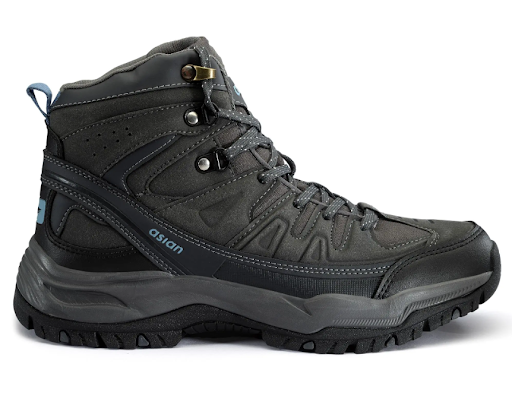
Moving up in terms of support and safety, climbing boots feature better ankle covering and more solid construction. They're ideal for multi-day trips, harder terrain, and carrying fairly big bags. The extra ankle support helps avoid sprains on uneven ground, while the stronger design gives better footing.
Mountaineering Boots
At the heavy-duty end of the range, climbing boots are intended for the most difficult circumstances, including snow, ice, and tricky slopes. They're notably stronger, heavy, and often compatible with crampons. Unless you're facing major mountain activities, these might be extra for your needs.
Trail Runners
For those who value speed and quickness, trail running shoes combine running elements with hiking features. They're incredibly lightweight but still offer improved grip and mild protection compared to road running shoes. Many ultralight campers and fast walkers have adopted trail runners for their comfort and weight savings.
Key Features to Consider
When shopping for hiking shoes, pay attention to these important factors:
Weight
The age-old hiker's saying states that one pound on your feet means five pounds on your back in terms of energy usage. Lighter shoes usually take less energy to move, but this often comes at the cost of sturdiness and support. Consider your priorities—lightweight speed versus long-term sturdiness and security.
Support
The amount of support you need depends on three factors: your own ankle stability, the ground you'll be travelling on, and the weight you'll be moving. Those with previous ankle injuries or who plan to carry big packs should lean toward more comfortable choices. You might be happy with less cushioned footwear if you have naturally stable feet and travel light.
Traction
Different shoe shapes excel on various surfaces. Deep, widely spaced lugs work better in mud, while more numerous, smaller lugs provide better grip on rock. When assessing wheel designs, consider the normal conditions of your hiking surroundings.
Protection
Different protective features hide your feet from trail debris and protect from toe caps to rock plates. The amount of safety you have depends directly on the roughness of your planned terrain. More technical tracks justify more safety measures.
Understanding Sole Construction
The bottom of your hiking shoe consists of several layers, each having a specific purpose:
Outsole
The heel, made mainly of rubber, touches the ground. Vibram is a popular high-quality shoe brand known for toughness and grip. The lugs' design and width (the shoe's " teeth ") determine grip on different surfaces.
Midsole
This layer offers padding and decides how stiff the shoe feels. EVA (ethylene vinyl acetate) gives light-weight padding but shrinks over time, while PU (polyurethane) provides more toughness at the cost of weight. Many modern shoes use a mix of advanced, unique materials.
Insole
The replaceable cushion inside your shoe can greatly affect comfort. Many hikers change the original insoles with aftermarket choices that provide better support or comfort suited to their needs.
Finding the Perfect Fit
No trait counts more than fit. Even the most advanced shoe will cause problems if it doesn't match your foot shape. Here's how to get it right:
Sizing Tips
- Shop late in the day when your feet are naturally swollen, similar to how they'll be on the trail
- Wear the socks you plan to walk in during the fitting
- Ensure a thumb's width of room between your longest toe and the end of the shoe.
- Your heel should stay stable with minimal movement when going uphill
- Pay attention to thickness as well as length—many brands offer wide or narrow choices
Try Before You Buy
Online shopping is easy, but nothing beats trying shoes on in person. Try shoes on sloping areas to mimic trail conditions. Many outdoor stores have small test ramps specifically for this reason.
Conclusion
Choosing the right trekking shoes is a unique experience that rests on your feet, travels, and tastes. The right pair for someone else might not be ideal for you. By understanding the key features, building elements, and fit considerations described in this guide, you're now ready to make an informed choice.