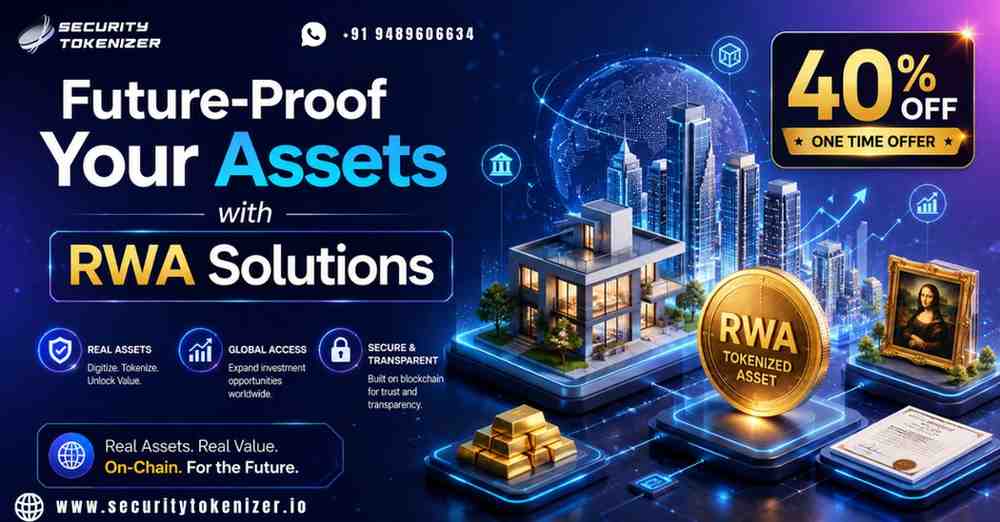
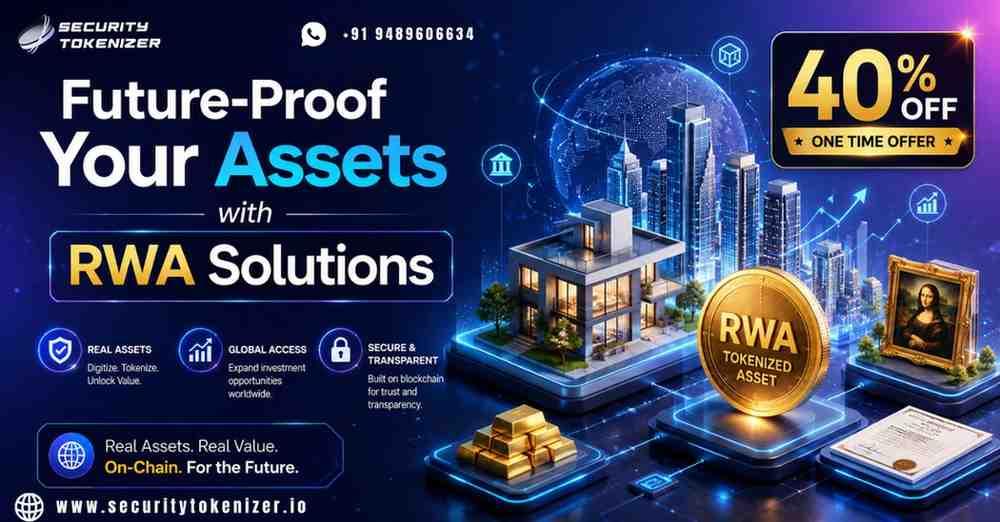
Real-world asset (RWA) tokenization has created the way for businesses to introduce traditional assets on the blockchain. Many assets, including real estate, private credit, treasury products, and commodities, are now being tokenized, which opens new ways of investing and managing assets.
As interest in digital assets grows, businesses are exploring tokenized asset marketplaces that support global investors, multiple asset classes, and secure digital asset management. Startups and enterprises are highly adopting RWA tokenization to create accessible and scalable investment platforms.
The Growing Demand for Tokenized Asset Marketplaces
Businesses are investing in RWA tokenization to improve ownership management, liquidity, and investor accessibility. Tokenized asset marketplaces allow businesses to convert real-world asset into digital form and trade them as tokens with the benefit of fractional ownership, cross-border investments as compared to existing investment platform.
The demand for tokenized assets is growing across industries, with startups and investment firms launching platforms that support multiple asset classes. As adoption increases, tokenized asset marketplaces are becoming an important part of the digital investment ecosystem.
What Is a Tokenized Asset Marketplace?
A tokenized asset marketplace is a blockchain development platform that allows businesses to issue, manage, trade, and invest in tokenized real-world assets. These platforms support the complete lifecycle of digital assets, from asset onboarding and token issuance to investor management and secondary market trading.
By building a tokenized asset marketplace, businesses can create investment platforms that improve accessibility, investor participation, and operational efficiency.
Some of the most common tokenized assets include:
- Real estate
- Private credit
- Bonds
- Commodities
- Treasury products
- Equity and securities
Core Components of an RWA Tokenization Platform
Building a successful tokenized asset marketplace requires more than token development and creation. Businesses need infrastructure that supports asset management, investor onboarding, compliance, and secure transactions.
Asset Tokenization Infrastructure
The foundation of every RWA tokenization platform begins with asset onboarding and verification. Businesses must validate ownership details, digitize asset information, and create blockchain-based representations of the underlying assets.
The Smart contract development helps automate ownership transfers, investment processes, and asset-related transactions within the marketplace.
Key components include:
- Asset onboarding and verification
- Smart contract integration
- Token issuance and management
Investor Management System
Investor onboarding plays an important role in tokenized investment platforms. Businesses must provide a secure and compliant experience for participants. These features help businesses manage investor participation while complying with regulatory requirements across jurisdictions.
Investor management capabilities typically include:
- KYC and AML verification
- Investor onboarding workflows
- Accreditation checks
Tokenized Asset Marketplace
The marketplace itself acts as the investment hub where users can discover and transact tokenized assets. Secondary market functionality is particularly valuable because it improves liquidity and creates additional investment opportunities for marketplace participants.
Essential functionalities include:
- Asset listing capabilities
- Trading mechanisms
- Secondary marketplace support
Compliance and Security Framework
Compliance remains one of the most important considerations in RWA tokenization. Businesses must develop platforms that align with regional regulations and asset ownership requirements.
A strong compliance infrastructure can improve investor confidence and support long-term platform adoption.
This framework should include:
- Regulatory compliance support
- Secure transaction management
- Asset ownership tracking
Payment and Wallet Integration
Modern tokenized asset marketplaces should accommodate both traditional and digital payment methods. These crypto wallet development and payment features make it easier for businesses to attract investors across different markets and payment preferences.
Important capabilities include:
- Fiat and cryptocurrency payments
- Multi-wallet integration
- Cross-border transaction support
Business Benefits of Building a Tokenized Asset Marketplace
RWA tokenization offers businesses several advantages when developing digital investment platforms, including:
Global Investor Access - Reach investors across different regions without traditional geographical limitations.
Fractional Ownership Opportunities - Lower investment barriers and attract a broader investor base.
Improved liquidity - Support secondary market transactions for easier buying and selling of tokenized assets.
Faster Settlement and Automation - Streamline transactions and asset management through blockchain technology.
New Revenue Opportunities - Support multiple asset classes and expand investment offerings.
Operational Efficiency - Simplify investor management and marketplace operations through centralized administration.
What Businesses Should Consider Before Launching an RWA Tokenization Platform
Before launching a tokenized asset marketplace, businesses should evaluate several technical and regulatory considerations.
These include:
- Regulatory requirements in target markets
- Blockchain network selection
- Platform security and scalability
- Customization capabilities
- Secondary market support
- Ongoing maintenance and upgrades
Choosing the appropriate blockchain infrastructure is particularly important, as it influences transaction costs, scalability, interoperability, and future platform expansion.
Businesses should also plan for evolving compliance requirements and post-launch support to maintain platform reliability and investor trust.
The Future of RWA Tokenization for Businesses
RWA tokenization continues to expand beyond traditional use cases. Tokenized financial assets, institutional adoption, and tokenized treasury products are attracting significant interest across the blockchain industry.
Other emerging trends include:
- Multi-asset tokenization platforms
- DeFi integrations for tokenized assets
- Institutional investment products
- Tokenized treasuries and securities
- Cross-border digital asset marketplaces
As blockchain adoption grows, businesses that invest in scalable tokenization infrastructure will be better positioned to participate in the next phase of digital asset innovation.
Building the Future of Tokenized Asset Marketplaces
Businesses are considering RWA tokenization to build an investment platform allowing fractional investment and management of global real assets. Key to building a tokenized asset marketplace are, on the one hand, an ability to provide blockchain technology and assure regulatory compliance with sufficient scalability.
As an RWA Tokenization development company, Security Tokenizer helps businesses build custom tokenized asset marketplaces with asset tokenization capabilities, investor management systems, secure wallet integrations, and marketplace functionalities designed for long-term business growth.