
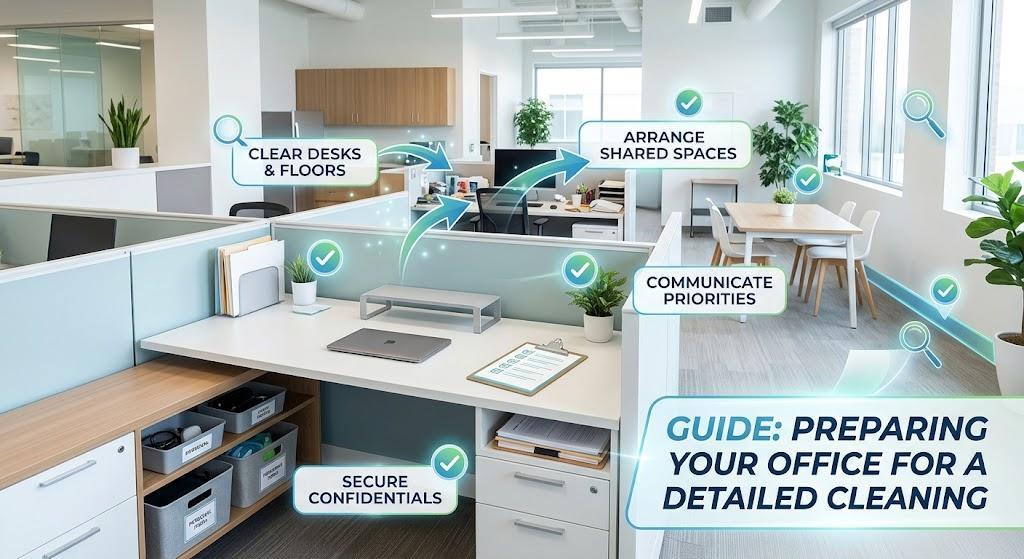
A detailed cleaning service can make a noticeable difference in how an office looks, feels, and functions. Unlike routine tidying or basic upkeep, detailed cleaning usually reaches into areas that are easy to overlook, such as baseboards, vents, behind furniture, shared appliances, and high-touch surfaces. When an office is properly prepared ahead of time, the cleaning team can work more efficiently and deliver better results with less disruption to daily operations.
Preparation also helps protect equipment, reduce confusion, and make sure nothing important is missed. Whether your workplace is a small professional suite or a larger corporate environment, planning ahead creates a smoother experience for everyone involved. For businesses looking for office cleaning in richboro, the same principles apply. A little organization before the cleaners arrive can go a long way toward improving the final outcome.
In this guide, you will find practical steps for preparing your office, from securing sensitive items to coordinating schedules and setting expectations. The goal is to help you get the most value from a detailed cleaning visit while keeping the process simple and manageable.
Key points:
- Clear desks, floors, and common areas before the cleaning crew arrives.
- Secure confidential papers, personal belongings, and sensitive electronics.
- Communicate priorities so the cleaners know which spaces need extra attention.
- Plan around office hours to reduce interruptions and safety risks.
- Inspect the office after cleaning to confirm that all requested areas were addressed.
Why preparation matters before a detailed cleaning
Detailed cleaning is more effective when the office is ready for it. Cleaners can spend more time on deep-cleaning tasks and less time moving items, working around clutter, or asking questions about what should be left alone. That efficiency often leads to a more thorough result.
Preparation also helps prevent accidental damage. Offices often contain computer equipment, paperwork, personal items, and delicate decor. If these items are left in place without guidance, they may be misplaced or cleaned around rather than cleaned beneath. Taking time to organize the space helps the cleaning team focus on the areas that matter most.
Another benefit is consistency. When office staff follow the same preparation routine before each detailed cleaning, the process becomes predictable and easier to manage. That consistency can be especially helpful for offices with recurring service appointments.
Start with a quick walk-through
Before the cleaning service arrives, do a brief walk-through of the office. Look at each room with fresh eyes and note anything that may interfere with the cleaning process. This includes cluttered desks, stacks of papers, cables on the floor, items stored under furniture, and sensitive materials left in open view.
A walk-through is also a good time to identify priority areas. For example, conference rooms, reception areas, break rooms, restrooms, and shared workstations may need extra attention. If there are spots with stains, dust buildup, or unusual wear, make a note so the cleaning team can address them directly.
What to look for during the walk-through
- Loose papers, mail, and office supplies
- Food or drink containers in work areas
- Items blocking baseboards, corners, or vents
- Personal belongings on desks and shelves
- Areas with visible dust, spills, or fingerprints
Clear surfaces and floors
One of the most important preparation steps is clearing surfaces so they can be cleaned thoroughly. Desks, tables, counters, and reception areas should be as open as possible. This gives cleaners access to dust, disinfect, and wipe down surfaces without constantly moving objects around.
Floors should also be cleared of obstacles. Boxes, bags, cords, and loose items can slow down cleaning and create safety hazards. When possible, move lightweight furniture slightly away from walls so the team can reach edges and corners. If furniture is too heavy to move, it is helpful to note that in advance.
In shared spaces, encourage employees to remove personal clutter from desks and common work areas. Even a few minutes of organization can make a major difference in the depth and quality of the service.
Protect confidential information and valuables
Offices often contain documents and equipment that should not be handled casually. Before a detailed cleaning, store sensitive papers in drawers, locked cabinets, or secure folders. This is especially important in industries that manage client records, financial information, legal files, or medical data.
Small valuables should also be put away. Items such as wallets, jewelry, cash, external drives, and personal electronics are best secured before the cleaning team arrives. Even if a cleaning company is careful, keeping these items out of sight reduces risk and prevents confusion.
If your office has monitors, laptops, docking stations, or specialty equipment, consider labeling anything that should not be touched or unplugged. Clear instructions help maintain order and protect business operations.
Communicate expectations in advance
Clear communication is one of the easiest ways to improve the cleaning experience. Before service day, let the cleaning provider know which areas need the most attention and which items should be avoided. If there are rooms that are locked, equipment that is fragile, or surfaces that require special care, those details should be shared ahead of time.
It is also useful to discuss timing. Some offices prefer cleaning after business hours to avoid interruptions. Others may need the service completed before employees arrive. Setting expectations early helps everyone plan around the workday.
If your office has had previous issues, such as missed spots or areas that needed more detailed attention, bring those up in advance. The more specific the instructions, the better the result is likely to be.
Useful details to share
- Preferred cleaning hours
- Rooms that need special attention
- Areas that should remain untouched
- Alarm codes or building access instructions
- Special surfaces or equipment requiring extra care
Prepare shared spaces carefully
Shared office areas often need the most preparation because they are used by multiple people throughout the day. Break rooms, kitchens, restrooms, conference rooms, and reception areas can accumulate clutter quickly. Before a detailed cleaning visit, these spaces should be reset as much as possible.
In break rooms, remove food from counters and clear the sink. Empty or label any items in the refrigerator if requested by the cleaning provider. In conference rooms, tidy chairs, clear tables, and remove training materials or meeting notes. Reception areas should be organized so entryways and waiting spaces can be cleaned without obstruction.
Restrooms may need towels, toiletries, and personal items stored neatly so cleaners can sanitize surfaces, fixtures, and floors without interference.
Make access easy for the cleaning team
Access matters more than many businesses realize. If cleaners cannot reach certain rooms, cabinets, or storage areas, the service may not be as complete as expected. Make sure keys, entry codes, or security instructions are ready in advance. If the office is in a shared building, confirm whether the cleaning team needs to check in at reception or use a separate entrance.
Parking and loading access can also help the process run more smoothly. If equipment or supplies need to be brought in, convenient access reduces delays. The easier it is for the team to move through the space, the more time they can spend on actual cleaning.
Plan around employees and operations
A detailed cleaning service works best when the office is not crowded. If possible, schedule it during a time when employees can clear their workspaces and avoid active areas. This reduces interruptions and allows cleaners to work more thoroughly.
If the office must remain open during service, try to separate active work zones from cleaning zones. A simple temporary schedule or room rotation can help. Employees should know which spaces are off-limits and when they can return to normal use.
For businesses with clients or visitors, it may be helpful to notify them if cleaning will affect the front entrance, lobby, or meeting rooms. A little advance notice helps maintain a professional atmosphere.
Do a final check before the cleaners arrive
On the day of service, take a few minutes for one last check. Make sure trash is removed, clutter is minimized, and sensitive materials are secure. Confirm that the team has access to the right rooms and that any special instructions are visible or communicated clearly.
This final review is also a good time to note anything new that came up since the original walk-through. If employees left extra items in shared spaces or if a spill occurred that needs attention, pass that information along before the cleaning begins.
After the cleaning service
Once the detailed cleaning is complete, inspect the office while the results are still fresh. Walk through the main spaces and check whether the priorities you discussed were addressed. Look at corners, under furniture, around fixtures, and in shared areas where dust and buildup often collect.
If anything was missed, communicate it promptly and professionally. Clear feedback helps improve future visits and supports a better ongoing working relationship. Over time, this process can lead to a more efficient, more reliable cleaning routine for the office.
Conclusion
Preparing your office for a detailed cleaning service does not have to be complicated. With a little planning, you can make the space easier to clean, protect important items, and help the cleaning team focus on the areas that matter most. Clearing surfaces, securing valuables, communicating expectations, and organizing shared spaces all contribute to a better result.
When an office is ready before the service begins, the cleaning process becomes smoother and more effective. That means less disruption, better attention to detail, and a cleaner environment for employees, clients, and visitors. A thoughtful preparation routine is one of the simplest ways to get better value from a detailed office cleaning.
FAQ
How far in advance should I prepare the office?
In most cases, preparing the day before is enough. For larger offices or spaces with sensitive materials, starting two to three days ahead can make the process easier.
Do employees need to clear their own desks?
Yes, whenever possible. Employees should remove personal items, paperwork, food, and loose supplies so cleaners can reach the full desk surface.
Should computers and electronics be turned off?
It is a good idea to power down and secure electronics if they may be moved or if cleaning will happen near them. If equipment should not be touched, label it clearly.
What if there are confidential documents in the office?
Store them in locked drawers, cabinets, or secure folders before the cleaning team arrives. Do not leave sensitive documents on open desks or tables.
Can a detailed cleaning service work while the office is open?
Yes, but it is often easier when the office is less busy. If the office remains open, try to separate active work areas from cleaning zones.