
Modern construction is changing faster than ever. Buildings are becoming taller, designs more complex, and timelines tighter. At the same time, expectations for safety, accuracy, and cost control continue to rise. To meet these challenges, the construction industry has increasingly turned to digital solutions. One of the most impactful developments in recent years is Structural Building Information Modeling, commonly known as Structural BIM.
Structural BIM is not just a new design tool it represents a complete shift in how structural work is planned, coordinated, and delivered. By replacing disconnected drawings with intelligent digital models, Structural BIM is helping teams work more efficiently and make better decisions throughout a project’s lifecycle.
What Structural BIM Really Means
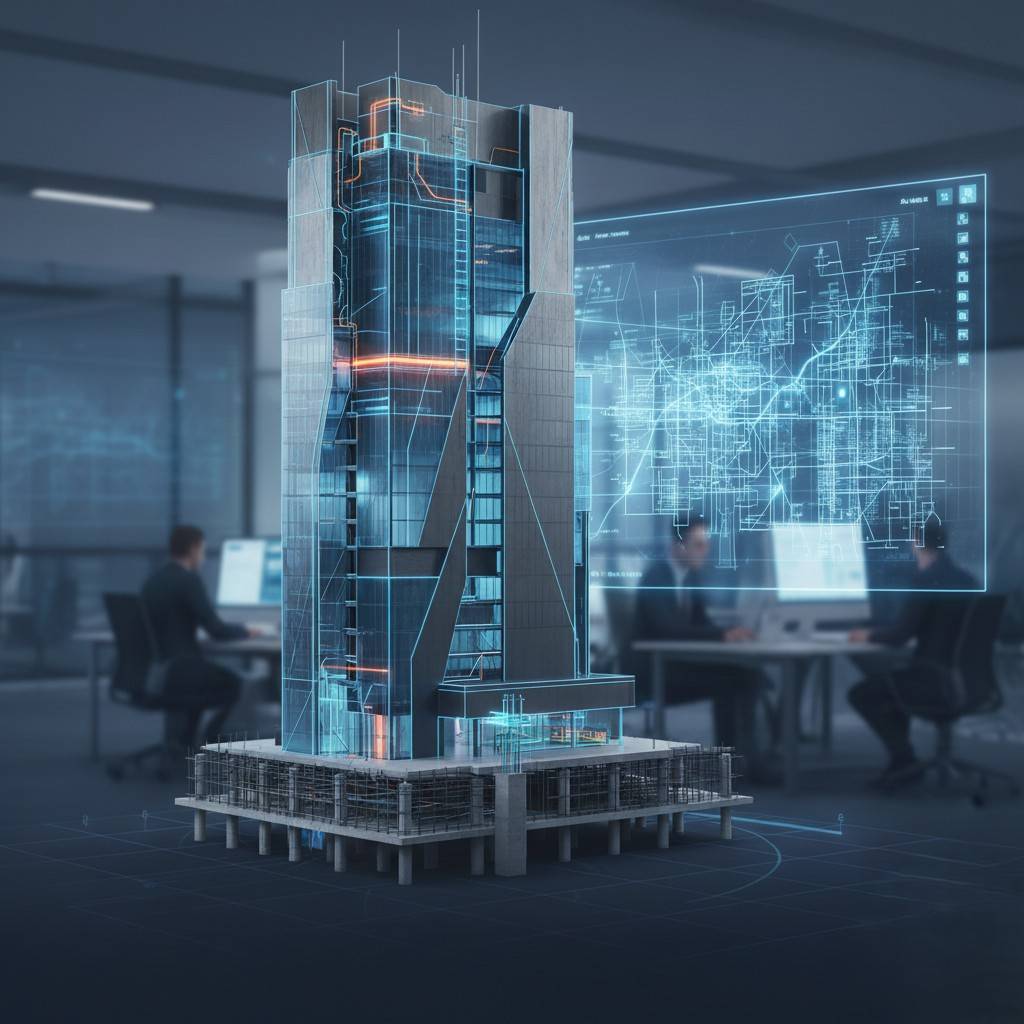
At its core, Structural BIM involves creating a detailed 3D digital representation of a building’s structural system. This includes foundations, columns, beams, slabs, shear walls, and reinforcement. Unlike traditional drawings, these elements are not just shapes they contain real data such as material properties, dimensions, and relationships to other components.
Structural BIM Modeling allows engineers to design structures in a virtual environment that closely reflects real-world conditions. This makes it easier to analyze performance, test alternatives, and ensure structural integrity before construction begins. Structural BIM Services support this process by organizing, managing, and maintaining accurate structural data within the model.
Moving Beyond Traditional 2D Design
For decades, structural design relied heavily on 2D drawings. While effective in the past, this approach often led to coordination gaps and manual errors. Any design change required updates across multiple drawings, increasing the risk of inconsistencies.
Structural BIM changes this workflow completely. Since all drawings, sections, and schedules are generated from a single model, updates happen automatically. Structural BIM Modeling reduces repetitive tasks and improves consistency across documents. Structural BIM Services help teams adopt this modern approach, making design updates faster and more reliable.
Improving Accuracy and Reducing Errors
Accuracy is critical in structural design. Even small errors can lead to major issues during construction. Structural BIM helps improve accuracy by allowing engineers to work with precise, data-rich models.
Because elements are modeled in 3D, it becomes easier to identify missing components, incorrect dimensions, or misaligned elements. Structural BIM Modeling ensures that design intent is clearly represented and maintained throughout the project. Structural BIM Services further enhance accuracy by applying standardized modeling practices and quality checks.
Stronger Collaboration Across Project Teams
Construction projects involve many disciplines working together. Structural engineers must coordinate closely with architects, MEP designers, and contractors. Poor coordination often leads to clashes, delays, and redesigns.
Structural BIM enables all disciplines to collaborate within a shared digital environment. Structural elements can be reviewed alongside architectural layouts and building systems early in the design phase. Structural BIM Modeling helps teams detect conflicts before they reach the construction site. Structural BIM Services support this collaboration by ensuring models remain coordinated and up to date.
Early Clash Detection Saves Time and Cost
One of the most practical advantages of Structural BIM is clash detection. By combining models from different disciplines, teams can identify physical conflicts such as beams intersecting with ducts or columns blocking service routes.
Detecting these issues early prevents costly changes during construction. Structural BIM Modeling allows teams to resolve problems while changes are still easy to make. Structural BIM Services help manage clash detection workflows and ensure that issues are tracked and resolved efficiently.
Clear Visualization for Better Understanding
Structural drawings can be difficult to interpret, especially for non-technical stakeholders. Structural BIM solves this problem by offering clear and realistic 3D views of the structure.
With Structural BIM Modeling, stakeholders can see how structural elements connect and support the building. This improves communication during design reviews and helps everyone understand the project better. Structural BIM Services make structural information easier to access and explain, reducing misunderstandings.
More Reliable Quantity and Cost Information
Accurate quantity takeoffs are essential for budgeting and material planning. Structural BIM allows quantities such as concrete volumes and steel weights to be extracted directly from the model.
Because these quantities are linked to the design, they automatically update when changes occur. Structural BIM Modeling reduces reliance on manual calculations and minimizes estimation errors. Structural BIM Services help ensure that quantity data remains accurate and consistent throughout the project.
Supporting Better Construction Planning
Structural BIM is also valuable during construction planning. By linking the model to schedules, teams can simulate construction sequences and understand how the structure will be built over time.
This helps identify potential site challenges, access issues, or sequencing conflicts. Structural BIM Modeling supports safer and more efficient construction planning. Structural BIM Services help align design models with construction requirements, improving overall project execution.
Enabling Prefabrication and Modern Construction Methods
Prefabrication and modular construction require precise and detailed information. Structural BIM Modeling provides the level of accuracy needed for off-site fabrication of structural components.
Fabricators can use BIM models to produce components with fewer errors and less material waste. Structural BIM Services help ensure that models are suitable for fabrication, supporting faster installation and improved quality on site.
Long-Term Value Beyond Construction
The benefits of Structural BIM extend beyond project completion. The model can serve as a valuable reference during building operation, maintenance, and future renovations.
Structural BIM Modeling stores important information about materials, load paths, and structural limitations. This helps facility managers make informed decisions over the building’s lifecycle. Structural BIM Services ensure that the model remains useful and accurate even after construction is finished.
Challenges and the Need for Proper Implementation
While Structural BIM offers many advantages, it requires proper implementation to deliver real value. Clear modeling standards, skilled teams, and strong coordination processes are essential.
Structural BIM Services play an important role in maintaining consistency and quality. Without proper planning, BIM models can become disorganized or unreliable. Successful use of Structural BIM Modeling depends on collaboration, training, and disciplined workflows.
The Future of Structural BIM
As digital technologies continue to evolve, Structural BIM will become even more powerful. Integration with automation, advanced analysis tools, and digital twins will further improve efficiency and decision-making.
Structural BIM Modeling is set to become a standard part of modern construction practice. Its ability to combine data, visualization, and collaboration makes it an essential tool for delivering safer and more efficient buildings.