
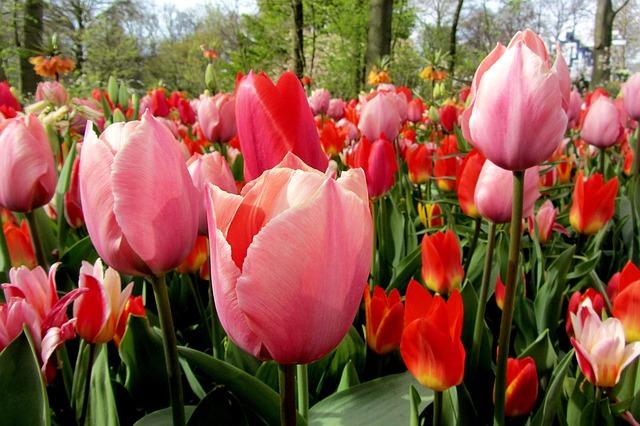
If you want a spring garden that looks effortless (and feeds local wildlife), your moment is now. In the San Francisco East Bay, fall is the season to plant spring-blooming bulbs so they can chill, root, and wake up with color when days warm. Pair those bulbs with Pollinator Plants and you’ll have a beautiful garden that also supports bees, butterflies, and hummingbirds.
The Right Time (East Bay)
Aim to plant mid-October through early December. That window gives bulbs enough cool weather to establish roots and set flower buds for spring.
Why Fall Works So Well
Spring bulbs need a period of cold to trigger blooming. Planting in fall lets them settle quietly through winter so they can burst into life as soon as the soil warms. It’s low effort with big payoff.
Bulbs to Plant (and How They Shine)
- Tulips: The showstoppers. Mix early, mid, and late varieties for a long run of color.
- Narcissus (Daffodils): Tough, cheerful, and typically deer-resistant; great in clumps.
- Hyacinths: Fragrant spikes that shine in containers and draw early pollinators.
- Crocus: First to bloom—often late winter—giving bees an early nectar stop.
- Freesia: Perfumed, elegant, and container-friendly.
- Ranunculus: Lush, layered blooms; beloved as cut flowers and by hummingbirds.
- Fritillaria (Persian Lily): Striking, bell-shaped flowers; usually deer-resistant.
Planting Bulbs In-Ground
- Sun + Drainage: Choose a spot with 6+ hours of sun and soil that doesn’t stay soggy.
- Soil Prep: Loosen soil and blend in compost. If you’ve got heavy clay, lighten with perlite, coarse sand, peat, or coir.
- Depth & Spacing: Plant bulbs 3× their height deep and give them room to multiply. Pointy end up.
- Water Once: Water thoroughly after planting to settle soil, then go easy—bulbs dislike constant moisture.
- Mulch: Add a light layer to regulate temperature, suppress weeds, and conserve moisture.
Planting Bulbs in Containers
- Container: Pick one at least 12" deep with multiple drainage holes.
- Mix: Use a high-quality potting mix that drains well; add a scoop of aged compost.
- “Bulb Lasagna”:
Bottom layer: large bulbs (tulips, hyacinths)
Middle: medium bulbs (daffodils)
Top: small bulbs (crocus)
Stacking extends bloom time and packs in color. - Water + Mulch Cap: Water once to settle; top with a thin mulch layer.
- Weather Smarts: During harsh cold or heavy rain, place pots near a wall or in a garage. Check them now and then and water only if the mix dries out.
Care, Season by Season
- Winter: If we hit a dry spell, give bulbs a light drink.
- Spring: Enjoy the display. Deadhead spent blooms, but leave foliage until it yellows—those leaves recharge the bulbs for next year.
- After Bloom: Top-dress with compost. Consider adding warm-season Pollinator Plants (like salvia, lavender, or catmint) to keep nectar flowing.
Easy Pairings for Color + Habitat
- Tulips + Lavender + Creeping Thyme: Classic color with fragrant, pollinator-friendly edges.
- Daffodils + Heuchera + Salvia: Deer-resistant structure plus nectar-rich spikes.
- Hyacinths in Pots + Alyssum or Nemesia: Perfume for you, early forage for bees.
- Ranunculus + Anemone + Catmint (Nepeta): Cut-flower beauty and continuous pollinator traffic.
Shop Local, Plant Confident
Stop by Evergreen Nursery for fresh bulbs, premium potting mixes, mulch, containers, and a curated selection of Pollinator Plants. Our team can help you pick the right combinations for your light, soil, and style—whether you garden in beds, borders, or balcony pots.
Plant Your Spring Bulbs Now