
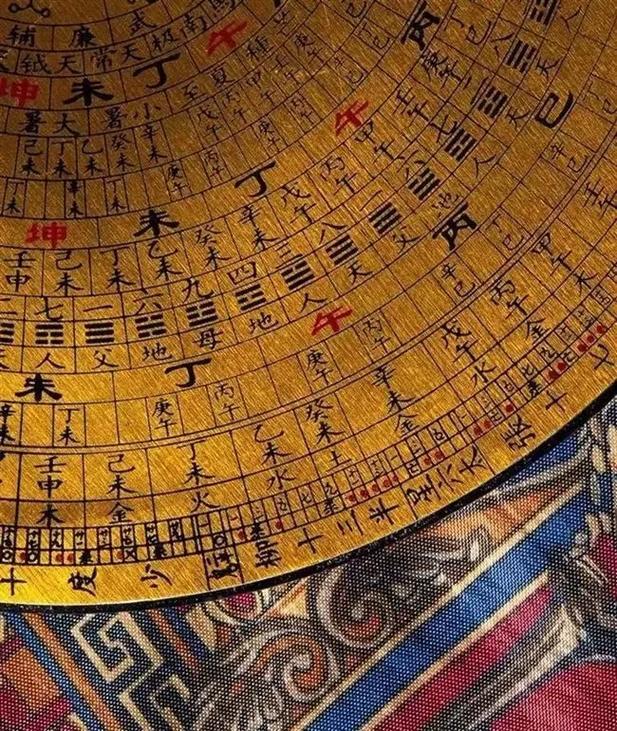
In the realm of interior design and holistic living, few practices offer as profound an impact on spatial energy as the ancient Chinese art of Feng Shui. This millennia-old discipline, which translates to "wind and water," encompasses far more than furniture arrangement or color selection. At its core, Feng Shui is about understanding and directing the flow of Qi (氣), the vital energy that permeates all living spaces and influences the well-being of their inhabitants.
While many practitioners focus on structural elements such as mirrors, crystals, and furniture placement, there exists a subtler yet equally powerful tool for energetic transformation: incense. The practice of using incense for fengshui extends beyond mere aromatherapy, representing a deliberate and conscious method of influencing the energetic quality of one's environment. When properly understood and applied, specific fragrances can serve as catalysts for positive change, helping to clear stagnant energy, attract beneficial influences, and create harmonious living spaces that support both personal and professional aspirations.
Understanding Incense in Feng Shui: A Historical and Cultural Perspective
The use of incense is a practice deeply woven into the fabric of human history, transcending geographical and cultural boundaries. From ancient Egyptian temples to Buddhist monasteries in the Himalayas, and from Native American purification rituals to European cathedrals, aromatic smoke has served as a bridge between the material and the spiritual, the mundane and the sacred. This widespread adoption underscores a universal understanding of incense as a medium for cleansing, offering, and elevating consciousness.
In the context of Feng Shui, this historical reverence for incense translates into a practical application for energetic management. The smoke, rising and dissipating, symbolizes the transformation of stagnant or negative energies into lighter, more harmonious forms. It is believed that the specific vibrations carried by different aromatic compounds can interact with the Qi of a space, subtly shifting its quality. This objective approach to understanding incense in Feng Shui emphasizes its role as a tool for creating an environment conducive to well-being, rather than a mystical cure-all. The careful selection and use of 風水incense becomes an intentional act of cultivating balance and flow.
Key Incense Types and Their Feng Shui Applications
Different types of incense possess distinct energetic properties that align with various Feng Shui objectives. Understanding these nuances allows for a more precise and effective application of incense in harmonizing one's environment.
Sandalwood Incense : Stability and Spiritual Grounding
Sandalwood, derived from the Santalum album tree, is widely recognized for its calming and grounding aroma. Historically, it has been utilized in spiritual practices across numerous cultures, particularly in Hinduism and Buddhism, for its ability to foster a serene atmosphere conducive to meditation and introspection. In Feng Shui, sandalwood is often associated with the Earth element due to its inherent stability and nourishing qualities. Its application can help to anchor restless energies, promote mental clarity, and cultivate a sense of inner peace. It is frequently recommended for spaces where stability, support, and a connection to spiritual wisdom are desired, such as study areas, meditation rooms, or the center of a home.
Agarwood Incense : Prosperity and Transformative Energy
Agarwood, also known as Oud, is one of the most prized and valuable aromatic substances in the world. Its unique formation process, where the Aquilaria tree produces a dark, fragrant resin in response to fungal infection, symbolizes resilience and transformation. This precious resin, maturing over decades, yields an aroma that is deep, complex, and profoundly resonant. From a Feng Shui perspective, agarwood is considered a powerful agent for deep energetic cleansing and for attracting abundance. Its potent vibrations are believed to dispel negative Qi and activate areas associated with wealth and prosperity. It is particularly effective when used to energize the wealth corner of a space, aiming to enhance financial flow and opportunities.
Frankincense: Purification and Elevated Vibrations
Frankincense, a resin obtained from trees of the Boswellia genus, has been revered for thousands of years for its purifying and uplifting properties. Its historical use spans ancient religious ceremonies, where its smoke was believed to carry prayers and intentions to higher realms, and traditional medicine for its cleansing attributes. In Feng Shui, frankincense is a primary choice for space clearing rituals. Its clean, crisp aroma is thought to effectively dissipate stagnant or negative energies, creating an atmosphere of purity and elevated vibration. It is often employed when moving into a new residence, after periods of conflict, or simply to refresh and consecrate a space, promoting peace, protection, and a renewed sense of clarity.
The Five Elements and Incense: Crafting a Balanced Environment
To further refine the application of incense in Feng Shui, one can integrate the principles of the Five Elements (Wu Xing): Wood, Fire, Earth, Metal, and Water. This foundational Chinese philosophical framework describes the dynamic interplay of energies that govern all natural phenomena and, by extension, the energetic balance within a living space. By understanding how different incense scents align with these elements, practitioners can strategically enhance or balance specific energetic qualities in their environment.
•Wood (Mu): Symbolizing growth, vitality, and new beginnings, the Wood element is best supported by scents like Cedarwood and Cypress. These incenses are beneficial for areas associated with family, health, and wealth (Zhen and Xun Bagua areas), promoting expansion and fresh starts. Using incense for fengshui that aligns with the Wood element can foster creativity and flexibility.
•Fire (Huo): Representing passion, energy, and transformation, the Fire element resonates with vibrant scents such as Cinnamon and Ginger. These are ideal for enhancing recognition and reputation (Li Bagua area), igniting enthusiasm and warmth within a space.
•Earth (Tu): Signifying stability, nourishment, and grounding, the Earth element is harmonized by earthy aromas like Patchouli. These are best utilized in the center of a home, which governs overall well-being, or in the Love & Relationships (Kun) area, fostering stability and harmonious connections. This type of 風水incense helps to create a sense of security and balance.
•Metal (Jin): Embodying precision, clarity, and harvest, the Metal element aligns with crisp, clean scents such as Frankincense and Basil. These are suitable for areas related to creativity and helpful people (Dui and Qian Bagua areas), promoting organization, clear thought, and effective communication.
•Water (Shui): Representing flow, wisdom, and reflection, the Water element is evoked by fluid and calming scents like Sandalwood. Placing these in the Career (Kan) area can help clear obstacles, facilitate smooth progress, and deepen intuition in one's professional life.
Practical Integration: Incorporating Incense into Your Feng Shui Practice
Beyond understanding the properties of various incenses, the effective integration of these aromatic tools into daily practice is crucial for harnessing their full Feng Shui benefits. This section outlines practical methods for incorporating incense into your space harmonization efforts.
Space Clearing Rituals:
Space clearing is a fundamental practice in Feng Shui, designed to remove stagnant or negative energies and invite fresh, positive Qi into a space. Incense, particularly those with purifying properties, plays a vital role in these rituals. A typical space clearing ritual can be performed when moving into a new home, after an illness, following a period of conflict, or whenever the energy feels heavy or uninviting. The process generally involves:
1.Setting a Clear Intention: Before lighting the incense, it is important to mentally or verbally articulate your purpose for the clearing. This focused intention directs the energy of the ritual.
2.Ensuring Ventilation: Open windows or doors to create a pathway for stagnant energy to exit and for fresh air to circulate. This step is essential for effective energetic exchange.
3.Systematic Movement: Light the chosen incense (Frankincense is often recommended for its strong purifying qualities) and begin at the main entrance of the space. Move systematically in a clockwise direction, allowing the smoke to permeate every corner, closet, and hidden area. The movement should be deliberate, visualizing the smoke absorbing and transforming any unwanted energies.
4.Thoroughness: Pay attention to areas where energy might accumulate, such as corners, behind furniture, and in less frequently used rooms. The goal is to ensure that the purifying smoke reaches all parts of the space.
5.Completion and Gratitude: Once the entire space has been covered, place the incense in a safe holder in a central location and allow it to burn down completely. Conclude the ritual by expressing gratitude for the renewed and harmonized energy within the space.
Targeted Area Activation
Feng Shui utilizes the Bagua map, a grid that divides a space into nine areas, each corresponding to a different aspect of life (e.g., wealth, relationships, career). Incense can be strategically employed to activate and enhance the Qi in these specific areas, aligning with the desired life improvements.
•For Wealth & Abundance: To energize the wealth corner (typically the far-left corner from the main entrance when looking into the space), the use of Agarwood incense is often recommended. Its potent energy is believed to attract prosperity and facilitate financial flow. The act of lighting the incense in this area can be accompanied by a visualization of financial goals being met with ease.
•For Love & Relationships: To cultivate harmony and strengthen interpersonal bonds in the relationships area (typically the far-right corner from the main entrance), grounding and calming scents such as Patchouli or Sandalwood are often utilized. The placement of an incense holder designed for two sticks can further symbolize a balanced and harmonious partnership, reinforcing the intention for this area.
Conclusion: Cultivating Harmony Through Conscious Scent
The integration of incense into Feng Shui practice offers a nuanced and effective approach to cultivating harmonious living environments. Far from being a mere aesthetic addition, incense serves as a powerful tool for conscious energetic management, enabling individuals to actively shape the vibrational quality of their spaces. By understanding the unique properties of different aromatic woods and resins, and their alignment with the Five Elements and Bagua principles, one can move beyond superficial arrangements to create a truly supportive and nurturing environment.
Ultimately, the art of using incense for fengshui is about fostering a deeper connection with one's surroundings and recognizing the subtle interplay of energy that influences daily life. It is an invitation to engage in a mindful practice that transforms a house into a home—a sanctuary that resonates with peace, prosperity, and positive energy, reflecting the well-being of its inhabitants.