
A dead radio, a non-functional cigarette lighter, or a silent power window motor—these are all common frustrations that can often be traced back to a single, tiny, and inexpensive component: a blown fuse. For modern vehicles, the culprit is frequently a type of fuse you may not be familiar with, a micro fuse known as an ATR fuse. While it might seem intimidating to replace a fuse yourself, it’s a straightforward process that can save you a trip to the mechanic. This comprehensive guide will walk you through everything you need to know about ATR fuses, from identifying the right one for your car to understanding why a simple color matters so much.
Before we dive into the specifics, it's important to understand the role of fuses in your vehicle's electrical system. Think of a fuse as a sacrificial safety device. Each fuse is designed to handle a specific amount of electrical current, measured in amperes (amps). When a circuit experiences a power surge or a short circuit, the wire inside the fuse melts and breaks the circuit, preventing the excessive current from reaching and damaging more expensive components like your car's wiring harness, radio, or electronic control unit (ECU). The fuse sacrifices itself to protect the rest of the system. While many cars still use the larger ATC and ATO blade-style fuses, modern vehicles have been trending towards smaller and smaller components, and fuses are no exception. The ATR fuse is a perfect example of this miniaturization, packing the same protective power into a much smaller form factor.
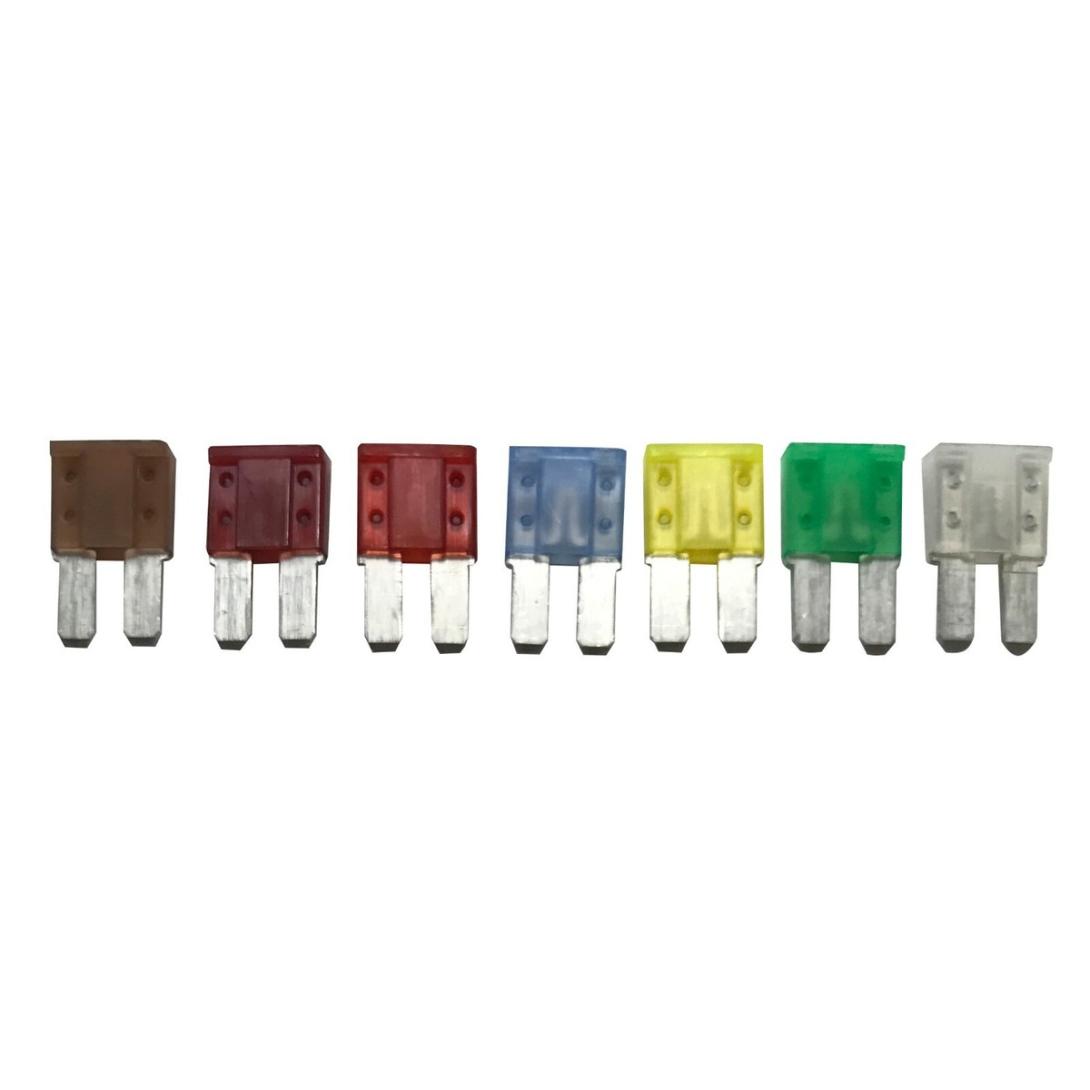
The ATR fuse, often called a Micro2 fuse, is a two-bladed, cartridge-style fuse that has become the standard in many newer vehicle models, particularly those from the mid-2000s onward. Its compact design allows vehicle manufacturers to fit more fuses into smaller spaces within the fuse box, which is often located under the hood, under the dashboard, or in the trunk. The term "ATR" is a standard industry designation, but you might also see it referred to as a "micro 2 fuse" or "low-profile mini fuse," though the latter is sometimes used for a different, slightly larger fuse type. The key identifier for an ATR fuse is its two-blade design and its distinctively small size, which is noticeably smaller than the more common ATM (Mini) fuses.
Part 1: How to Identify the Correct ATR Fuse
The most critical step in replacing a blown fuse is finding the correct replacement. Using the wrong fuse can either fail to protect the circuit (if the amperage is too high) or blow immediately upon installation (if the amperage is too low). Here’s how to do it correctly:
- Locate Your Vehicle's Fuse Box: Your car’s fuse box is usually the home of all the fuses. Most vehicles have at least two fuse boxes: one under the hood for larger components like the engine and ABS system, and one in the passenger cabin (often under the dashboard or in a side panel) for accessories like the radio, interior lights, and power windows. Consult your owner's manual for the exact location.
- Find the Fuse Diagram: Once you’ve located the fuse box, you’ll need to figure out which fuse corresponds to the non-working component. Most fuse boxes have a diagram on the inside of the cover that maps each fuse to its function. The diagram will also tell you the correct amperage (e.g., 10A, 15A, 20A) for each fuse. If the diagram isn't clear, your owner's manual will have a more detailed chart.
- Visually Inspect the Fuse: Use a pair of pliers or a fuse puller (most fuse boxes come with one) to carefully remove the suspected fuse. Hold it up to the light and inspect the small wire inside. If the wire is broken or looks charred, the fuse is blown and needs to be replaced. If the wire is intact, the fuse is likely fine, and your problem lies elsewhere.
Part 2: The Importance of Amperage and Color Coding
The amperage rating of a fuse is the most important factor to consider. It dictates the maximum current that can flow through the fuse before it blows. This rating is always printed on the top of the fuse itself (e.g., "15" for 15 amps). To make identification even easier, ATR fuses—like most other fuses—follow a universal color-coding system. You should always match both the amp rating and the color of the blown fuse with your new one.
Here is a common color-coding chart for ATR fuses:
- Tan / Light Brown: 5 amps
- Red: 10 amps
- Blue: 15 amps
- Yellow: 20 amps
- Clear / Transparent: 25 amps
- Green: 30 amps
When buying a replacement, do not be tempted to use a fuse with a higher amperage rating, even if it fits. For example, replacing a 10-amp red fuse with a 15-amp blue fuse is a major safety hazard. The 15-amp fuse may not blow in time during a short circuit, allowing too much current to flow through your car’s wiring, which can cause the wiring to overheat and potentially start a fire. Always match the amperage and the color exactly.
Part 3: What to Look for When Buying ATR Fuses
Now that you know what you need, it's time to go shopping. Here’s what you should consider when buying replacement ATR fuses:
- Buy a Fuse Assortment Pack: While you might only need a single 10-amp fuse today, it’s a smart idea to buy an assortment pack. These kits contain a variety of common ATR fuse amperages (usually from 5A to 30A) and are incredibly convenient for future repairs. They often come in a durable, compartmentalized case and may even include a fuse puller tool. These packs are inexpensive and a much better value than buying individual fuses one at a time. Reputable brands like Bussmann, Littelfuse, and Blue Sea Systems offer high-quality assortment kits.
- Consider Specialty Fuses: For those who want an extra layer of convenience, there are special ATR fuses available with added features. Some fuses have an integrated LED light that illuminates when the fuse blows, making it incredibly easy to spot the problem without having to pull each fuse out. There are also "easyID" fuses with numbers printed in a larger, easier-to-read font. While these specialty fuses are slightly more expensive, the time and hassle they can save are well worth it for many DIYers.
- Check for Quality and Certifications: Fuses are a safety-critical component. Stick with well-known brands that meet industry standards. Most fuses you buy in an auto parts store will meet the necessary standards, but if you are buying from a generic online retailer, check for quality marks. Using a cheap, poorly made fuse may result in a wire that blows too early (false positive) or, worse, too late, leading to a dangerous electrical issue. A quality fuse will have the amp rating clearly printed on the top and will be made of durable plastic.
Step-by-Step Replacement Guide
- Turn Off the Car: Always turn off the ignition and remove the key from the ignition. It’s also a good practice to disconnect the negative battery terminal to avoid any accidental shocks, especially if you are working near other electrical components.
- Locate and Access the Fuse: Using your owner's manual, find the fuse box and remove the cover.
- Pull the Blown Fuse: Use the fuse puller to carefully grip the blown fuse and pull it straight out.
- Insert the New Fuse: Take the new fuse with the correct amperage and color and push it firmly into the empty slot. It should snap into place.
- Test the Component: Reconnect the battery if you disconnected it, turn the ignition on, and test the component that was previously not working (e.g., turn on the radio, use the power window switch). If it works, you have successfully replaced the fuse. If the new fuse blows immediately, you likely have a more serious electrical problem that requires professional diagnosis.
Conclusion
Replacing a blown ATR fuse is one of the simplest automotive repairs you can perform. By following the steps outlined in this guide—locating the fuse box, consulting the diagram, matching the amperage and color, and buying a quality replacement—you can quickly and safely get your car’s electrical systems back in working order. Having an assortment of ATR fuses on hand is a smart and inexpensive way to prepare for the inevitable, ensuring that a simple blown fuse never leaves you stranded or without your favorite car accessories again.