

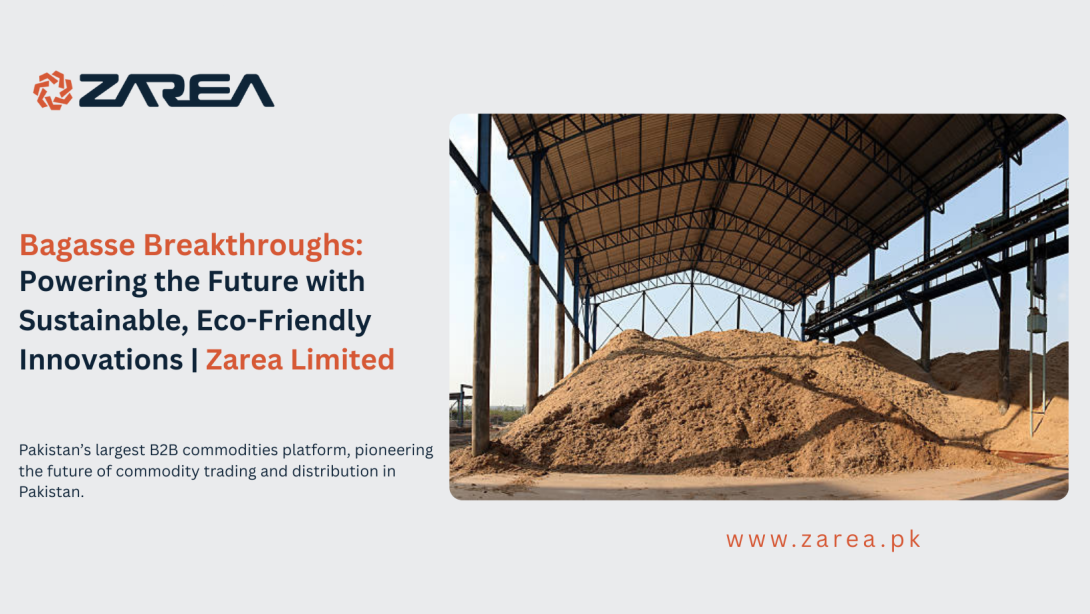
Introduction: From Sugarcane Waste to Sustainable Wealth
In a world increasingly focused on sustainability, bagasse—the dry, fibrous residue left after extracting juice from sugarcane—is proving to be a game-changer. Once viewed as agricultural waste or incinerated as fuel, bagasse is now emerging as a versatile material with significant applications across industries such as energy, packaging, construction, and even agriculture.
With its renewable, biodegradable nature, bagasse is gaining attention as a viable replacement for plastics and synthetic products. This article delves into the structure, benefits, and modern uses of bagasse, illustrating how this byproduct is driving the shift toward eco-friendly materials.
What is Bagasse?
Bagasse is the fibrous pulp that remains after sugarcane stalks are crushed to extract their juice. Traditionally burned or discarded, it's now being repurposed into an eco-friendly resource across numerous sectors.
Composition of Bagasse
Bagasse’s unique structure makes it suitable for various sustainable applications:
- Cellulose (45–55%) – Offers strength and structure
- Hemicellulose (20–25%) – Enhances flexibility and bonding
- Lignin (18–24%) – Adds durability and decay resistance
- Ash (1–4%) – Provides essential minerals
- Waxes (<1%) – Useful in specialty coatings and packaging
Key Benefits of Bagasse
- 100% Biodegradable: Decomposes naturally without harming the environment
- Renewable Resource: Derived from annual sugarcane harvests
- Thermal Resistant: Ideal for food service and industrial packaging
- Carbon Neutral: Emits fewer greenhouse gases compared to plastics
- Cost-Effective: Lower production costs than many synthetic alternatives
Major Applications of Bagasse
1. Clean Energy & Fuel Production
- Biomass Energy: Sugar mills use bagasse to generate steam and electricity
- Biochar & Ethanol: Produces second-generation biofuels, including bioethanol and bio-methanol
- Electric Grid Supply: Surplus energy generated is often fed into national power grids
2. Agriculture & Livestock Use
- Organic Fertilizer: Enhances soil health and structure
- Animal Feed: Treated bagasse provides fiber-rich livestock feed
- Advanced Biofuels: Used in the creation of next-gen fuels like biodiesel and aviation biofuel
3. Eco-Friendly Packaging & Paper
- Paper Products: Used in printing paper, tissues, and notebooks
- Compostable Containers: Plates, bowls, trays, and boxes that are microwave- and freezer-safe
- Board Manufacturing: Creates fiber boards and sustainable panels for furniture and decor
4. Construction & Green Building
- MDF Alternatives: Bagasse fiber boards can replace plywood and MDF
- Insulation Panels: Provides thermal and acoustic insulation for energy-efficient buildings
- Wall Panels & Partitions: Lightweight and eco-friendly options for interior design
5. Emerging Use in Food & Health
- Dietary Fiber Source: Under study for its potential role in improving digestion and regulating blood sugar
- Nutritional Compounds: Contains cerotic and lignoceric acids, which may offer health benefits when refined
Challenges and Opportunities
Despite its promise, bagasse adoption faces several challenges:
- Limited Awareness: Public and industry knowledge remains low
- Initial Processing Costs: Requires investment in treatment and processing technologies
- Infrastructure Gaps: Lack of widespread processing facilities hampers scalability
However, these barriers are gradually being addressed through innovation, government support, and rising global demand for sustainable materials.
Conclusion: From Agricultural Residue to Green Revolution
Bagasse is no longer just a byproduct—it's a cornerstone of eco-conscious innovation. From clean energy and biodegradable packaging to construction materials and agricultural benefits, its applications are vast and growing.
As more industries turn toward sustainability, the role of materials like bagasse becomes increasingly significant. At the forefront of this shift is Zarea Limited, proudly championing renewable solutions for construction and packaging needs. By supporting the use of sustainable resources like bagasse, Zarea continues to lead the way in building a cleaner, greener future.
Explore sustainable solutions with Zarea Limited – your trusted partner in eco-friendly innovation.
Visit Zarea.pk to learn more about our commitment to green materials.