
Introduction: Why Fastener Selection Matters
In structural steel and metal roofing applications, the integrity of the entire assembly often hinges on the smallest components—fasteners. Choosing the right screw isn’t just about holding materials together; it’s about ensuring long-term durability, load-bearing performance, and resistance to environmental stressors. Whether you're constructing a warehouse, installing corrugated roofing, or assembling steel frames, the wrong fastener can lead to premature failure, costly repairs, and safety risks.
This guide is designed to help contractors, engineers, and metal building professionals make informed decisions when selecting self drilling screws for structural steel and roofing projects. We’ll explore screw types, drilling capacities, head styles, coatings, and standards—everything you need to match the right screw to the right job.
🧱 Understanding Self-Drilling Screws: Function and Benefits
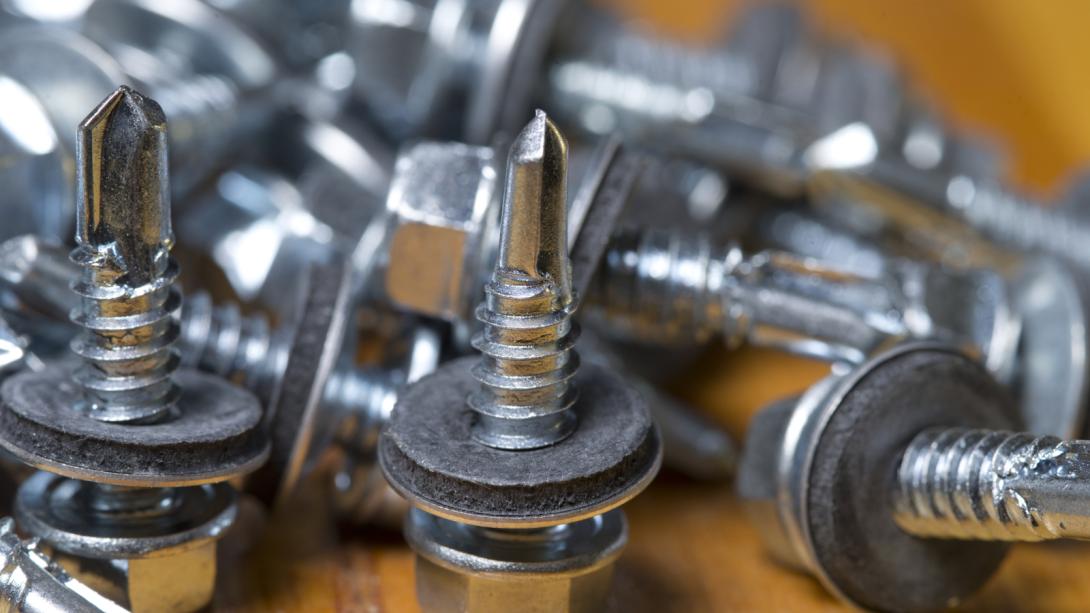
Self-drilling screws are engineered with a drill bit tip that eliminates the need for pre-drilling pilot holes. This feature is especially valuable in steel construction, where time efficiency and precision are critical, unlike self-tapping screws, which require a pre-drilled hole. Self-drilling screws cut through metal substrates directly, reducing labor time and improving alignment accuracy.
Key Benefits:
- Time-saving installation: No need for separate drilling and fastening steps.
- Consistent penetration: Reduces risk of misalignment or thread stripping.
- Improved structural integrity: Designed for high-torque applications.
- Versatility: Suitable for steel, aluminum, and composite panels.
🔩 Head Styles for Structural Applications
The head style of a self-drilling screw affects both its load distribution and aesthetic finish. In roofing and steel framing, the most common head types include:
1. Hex Washer Head
- Ideal for high-torque applications.
- Provides excellent grip with socket drivers.
- Common in structural steel and roofing panels.
2. Wafer Head
- Low-profile design for flush finishes.
- Suitable for attaching insulation or light-gauge metal.
3. Countersunk (CSK) Head
- Allows screws to sit flush with the surface.
- Used in applications requiring smooth finishes.
Pro Tip: For roofing, hex washer heads with bonded neoprene washers are preferred to prevent water ingress and ensure weatherproofing.
🌧️ Coating Options for Corrosion Resistance
Metal structures are often exposed to harsh environments—rain, humidity, salt air, and industrial pollutants. Choosing the right coating can dramatically extend the lifespan of your fasteners.
Common Coating Types:
- Zinc-Plated: Basic corrosion resistance; suitable for indoor use.
- Hot-Dip Galvanized: Thick zinc layer; ideal for outdoor and marine environments.
- Ruspert® or Dacromet®: Multi-layer ceramic coatings; high-performance in chemical exposure.
- Stainless Steel: Best for extreme corrosion resistance; more expensive but highly durable.
Note: Always consider the galvanic compatibility between the screw and the substrate. For example, using stainless steel screws on galvanized steel can accelerate corrosion due to electrochemical reactions.
📐 Standards and Certifications
For structural applications, compliance with industry standards ensures safety and performance. Look for screws that meet or exceed the following:
- ASTM C1513: Standard for self-drilling screws used in steel framing.
- ISO 10666: International standard for corrosion resistance.
- FM Approval: Required for roofing systems in commercial buildings.
- ICC-ES Reports: Engineering evaluations for code compliance.
Why it matters: Certified screws have undergone rigorous testing for shear strength, pull-out resistance, and corrosion durability—critical metrics in structural engineering.
🧰 Installation Tips and Best Practices
Even the best screw can fail if installed improperly. Here are some field-tested tips to ensure optimal performance:
- Use the correct driver bit: Match the bit to the screw head to avoid cam-out.
- Maintain consistent torque: Overdriving can strip threads or deform the substrate.
- Pre-check substrate thickness: Ensure compatibility with drill point capacity.
- Use sealing washers for roofing: Prevent leaks and thermal expansion issues.
- Avoid mixing metals: Prevent galvanic corrosion by matching screw and substrate materials.
🧮 Cost vs. Performance: Making the Right Investment
While self-drilling screws may cost more upfront than traditional fasteners, the long-term savings in labor, maintenance, and structural integrity are substantial. Consider the total cost of ownership:
- Reduced labor hours
- Fewer installation errors
- Lower risk of corrosion-related failures
- Improved safety and compliance
ROI Insight: In large-scale steel construction, switching to high-quality self-drilling screws can reduce installation time by up to 30%, translating into thousands of dollars saved in labor costs.
🛒 Final Checklist Before Buying
Before placing your order, run through this quick checklist:
✅ Steel thickness and drill point compatibility.
✅ Head style for application (roofing, framing, insulation).
✅ Coating suited to environmental exposure.
✅ Compliance with ASTM or ISO standards.
✅ Quantity and packaging (bulk vs. segmented kits).
✅ Driver bit compatibility and tool readiness.