
In the fast-evolving world of garment decoration and custom printing, technology has taken massive leaps forward. Among the most revolutionary innovations is Direct-to-Film printing. Unlike traditional printing methods such as screen printing or heat transfer vinyl, DTF printers have opened up new possibilities for creating vibrant, durable, and detailed prints on a wide range of materials.
Whether you're running a small home-based business or a full-scale print shop, investing in a DTF printer can be a game-changer. This article will explore what DTF printing is, how it works, its benefits, and tips for choosing the best DTF printer for your needs.
What is DTF Printing?
DTF printing, short for Direct-to-Film printing, is a modern printing process that allows you to print designs onto a special film and then transfer them to fabric using heat and pressure.
Here’s a quick overview of how it works:
- Design Creation – The process begins with creating a digital design using graphic design software such as Adobe Photoshop or CorelDRAW.
- Printing onto Film – The design is printed onto a DTF transfer film using specialized DTF inks.
- Application of Adhesive Powder – After printing, an adhesive powder is applied to the printed design, which acts as a bonding agent during heat pressing.
- Curing Process – The film is cured using a DTF curing machine or heat source to prepare it for transfer.
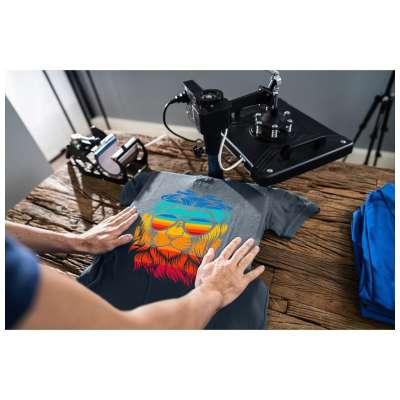
- Heat Press Transfer – The cured film is placed on the garment, and heat is applied to permanently transfer the design.
Unlike traditional DTG (Direct-to-Garment) printing, DTF printers can be used on various materials, including cotton, polyester, blends, and even non-fabric surfaces like leather.
Why Choose DTF Printers Over Other Methods?
The rise of DTF printing has left many print business owners asking, “Why switch from DTG or screen printing?” Here are the key reasons why DTF stands out:
1. Versatility
- Works on multiple fabrics such as cotton, polyester, blends, and more.
- Can even print on hard-to-decorate materials like canvas and leather.
2. Cost-Effective Production
- Lower production costs compared to traditional screen printing.
- No need for pre-treatment chemicals, reducing expenses and processing time.
3. Exceptional Print Quality
- Produces high-resolution prints with rich colors and fine details.
- Designs are smooth, vibrant, and long-lasting.
4. Durability
- DTF transfers are wash-resistant, making them ideal for everyday wear and commercial-grade products.
5. Easy Scalability
- Perfect for both small batches and large production runs.
- Ideal for businesses looking to expand into custom apparel printing.
Benefits of DTF Printing for Apparel Businesses
DTF printing offers numerous benefits to clothing brands, custom t-shirt shops, and startup entrepreneurs.
High Profit Margins
- With low printing costs and high demand for custom apparel, businesses can achieve excellent profit margins.
- Great for producing limited edition designs or personalized items.
Faster Turnaround
- Eliminates complex setup processes found in screen printing.
- Small orders can be completed quickly without heavy investment.
Eco-Friendly Process
- Uses less water and fewer chemicals compared to older printing methods.
- Some DTF inks are designed to be environmentally friendly.
No Color Limitations
- Unlike screen printing, where each color requires a separate screen, DTF printers can print full-color designs in one go.
How to Choose the Best DTF Printer
Investing in a DTF printer is a significant step for any business. Here’s what you should consider before making a purchase:
1. Print Size
- Choose a printer based on the maximum size of prints you plan to produce.
- Popular sizes include A3, A2, and 24-inch wide formats.
2. Print Speed
- If you handle bulk orders, opt for a printer with higher speed and automation features.
3. Ink Quality
- Ensure the printer uses high-quality DTF inks for vibrant colors and durability.
4. Support and Warranty
- Go with a reputable brand like DTGPro, which provides training, technical support, and reliable warranties.
5. Budget Considerations
- While there are budget-friendly options, don’t compromise on quality.
- A good DTF printer is a long-term investment that pays off through consistent output.
Getting Started with DTF Printing
Here’s a step-by-step guide to start your DTF printing business:
- Research and choose the Right Equipment – Visit trusted suppliers like DTGPro for DTF printers and supplies.
- Learn the Basics – Understand design preparation, film handling, and curing.
- Create Test Prints – Start with small projects to refine your technique.
- Promote Your Services – Market your custom apparel business on social media and e-commerce platforms.
- Expand Gradually – As orders grow, consider investing in larger printers or automated curing systems.
Top DTF Printer Models to Consider
Here are some popular models that are highly recommended for quality and efficiency:
- DTGPro Fusion DTF Printer – Ideal for small to medium businesses.
- Ricoh RI 1000 with DTF Conversion Kit – Perfect for print shops seeking versatility.
- 24-Inch DTF Roll Printer – Great for bulk production and large designs.
Each model caters to different business sizes, so consider your production goals before making a decision.
Tips for Maintaining Your DTF Printer
Regular maintenance ensures consistent print quality and extends the life of your equipment.
- Clean Print Heads Regularly – Prevent ink clogs with proper cleaning routines.
- Use Genuine Supplies – Stick to recommended inks, films, and powders.
- Check Software Updates – Keep your printer’s RIP software updated for the best performance.
- Store Supplies Properly – Keep films and powders in a cool, dry place.
Future of DTF Printing
As demand for custom apparel and print-on-demand businesses grows, DTF technology will continue to evolve. Upcoming innovations include:
- Faster print speeds for mass production.
- More eco-friendly inks and processes.
- Integration with e-commerce platforms for streamlined workflows.
For small businesses, this is the perfect time to adopt DTF printing and position yourself as a leader in the custom printing industry.
Conclusion
DTF printers are revolutionizing the way businesses approach custom printing. With their versatility, cost-effectiveness, and superior print quality, they provide a perfect solution for startups and established print shops alike. If you’re ready to expand your printing business, now is the time to invest in a DTF printer and tap into the growing demand for customized products.