

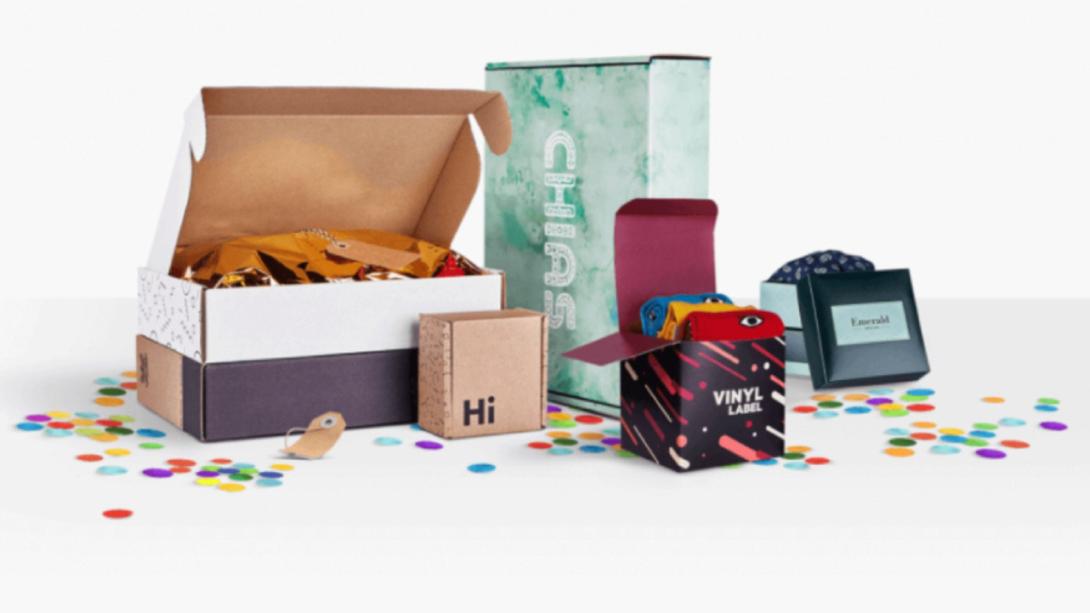
Every business knows that first impressions matter. But what happens in the very first moments when a customer interacts with your product? These moments can decide whether they are delighted or disappointed. The way your product is presented, packaged, and perceived can create lasting impressions that influence customer loyalty. Understanding what happens when a customer lifts the lid can transform your approach to product presentation.
The Power of First Impressions
The first few seconds of interaction between a customer and a product can make or break the experience. Human attention is limited, and people often form judgments within moments. A clean, thoughtful presentation instantly signals quality. On the other hand, a cluttered or dull unboxing can create doubt. When a customer lifts the lid, they expect something exciting, organized, and meaningful inside.
Visual appeal plays a critical role in these first impressions. Colors, textures, and overall design communicate brand identity without words. Even subtle details like the positioning of the product or protective inserts can influence perceptions. Customers subconsciously associate a neat, attractive interior with reliability and value.
Consistency across packaging and presentation reinforces trust. If your branding inside the box mirrors your external brand style, it signals care and professionalism. Likewise, attention to tactile elements such as smooth finishes or soft materials can elevate the experience. For example, luxurious paper or protective cushioning can evoke feelings of quality.
The emotional impact of first impressions also extends to how the product makes the customer feel. Excitement, curiosity, and surprise are emotions that strengthen connection. By considering the sensory experience—sight, touch, and even subtle sounds—you create moments that the customer will remember and share. Businesses that fail to engage all senses risk creating a bland encounter, reducing satisfaction and repeat purchase likelihood.
In summary, the power of first impressions cannot be underestimated. Every element inside the product packaging matters because it sets the tone for the entire customer journey. Small details can leave lasting memories, while negligence can result in lost opportunities for loyalty and advocacy.
Designing for Surprise and Delight
Customers love surprises, but the way these surprises are delivered matters immensely. Effective product design inside packaging can turn an ordinary purchase into an extraordinary experience. Surprise does not need to be complicated; even small gestures like hidden messages or neatly arranged contents can excite.
Presentation should aim to guide the customer naturally. The moment they lift the lid, they should experience a sense of discovery. Layering elements in a structured way creates a narrative, making the unboxing feel intentional and thoughtful. Each element should build anticipation for what comes next.
Psychology plays a part in designing for delight. People enjoy experiences that reward exploration and curiosity. A box that reveals products gradually, instead of all at once, encourages interaction and engagement. This can also create a sense of value and exclusivity.
Practicality is just as important. If customers struggle to remove packaging or access the product, delight turns into frustration. Simplicity and ease of use improve overall satisfaction. Elements like pull tabs, compartments, or reusable packaging enhance both functionality and experience.
Ultimately, designing for surprise and delight is about combining aesthetic appeal with thoughtful interaction. Brands that succeed in this area foster loyalty, word-of-mouth recommendations, and higher perceived value. This strategic attention to detail elevates the customer experience from functional to memorable.
The Role of Texture and Materials
Touch and feel are often overlooked but critical in product packaging. Material choice communicates a lot about quality, value, and brand personality. Customers subconsciously judge the contents by what they feel in their hands. A smooth finish, soft padding, or sturdy cardboard creates confidence.
Different textures evoke different emotions. Matte finishes suggest sophistication, while glossy textures feel modern and bold. Textural contrast, like a soft insert against a firm box, enhances curiosity and engagement. When customers lift the lid, the feel of the materials can create a sensory “wow” effect.
Material choice also affects sustainability perception. Eco-friendly or reusable packaging resonates with modern consumers who value environmental responsibility. Recyclable materials or compostable fillers not only add ethical appeal but also enhance brand reputation.
Even minor elements like embossed logos, ribbon pulls, or magnetic closures improve tactile satisfaction. These subtle touches reinforce attention to detail and create a sense of care. When customers interact physically, they form a stronger emotional connection with the product.
In conclusion, textures and materials are more than just functional—they shape perception and emotional response. Investing in high-quality materials transforms the moment your customer lifts the lid into a meaningful experience.
Strategic Use of Color
Color impacts emotion, decision-making, and brand recognition. Inside packaging, color can guide attention, emphasize elements, and create anticipation. Bright and contrasting colors evoke excitement, while muted tones convey calm sophistication.
Strategic color use reinforces brand identity. When interior colors complement external branding, customers perceive consistency and professionalism. Color cues can also direct the eye toward key elements, like highlighting a new product or feature.
Moreover, color psychology plays a role. Certain shades can create trust, happiness, or excitement instantly. For example, warm tones are energizing, while cool tones are soothing. By selecting colors intentionally, brands can enhance emotional engagement during the unboxing.
Even small colored details like inserts, ribbons, or stickers can make a big difference. They break monotony and add layers of anticipation. Customers notice these thoughtful choices, often subconsciously, which contributes to overall satisfaction.
Consistent, strategic color application inside packaging ensures that the unboxing moment is not only visually appealing but also emotionally compelling. It reinforces the brand story while creating a memorable experience.
Organization and Layout
A well-organized interior improves the user experience dramatically. Customers expect to find products easily and feel that each item has a purpose and place. Chaos inside the box undermines value and creates frustration.
Thoughtful layout ensures that products are visible and accessible. Dividers, compartments, and custom inserts help separate components and add structure. This organization communicates professionalism and attention to detail.
The arrangement also influences emotional impact. Layered presentation, with smaller items or surprises revealed last, generates excitement and curiosity. It transforms unboxing from a task into an interactive experience.
Functionality should not be overlooked. Organized packaging reduces the risk of product damage, while also making storage and handling easier. A design that is both practical and attractive enhances customer satisfaction significantly.
Brands that invest in organization and layout signal care for both product and customer. By considering how items are discovered, the unboxing becomes a journey rather than just a transaction, encouraging repeat purchases and brand loyalty.
Messaging and Brand Storytelling
Unboxing is an opportunity to communicate more than product features. Customers are eager to feel connected to the brand story and values. Packaging can be a canvas for messaging, creating a deeper connection.
Brand messaging can take many forms, such as a printed note, product description, or QR code leading to additional content. These elements make the customer feel acknowledged and valued. Clear, concise messaging is most effective.
Storytelling inside the box creates context and emotion. Explaining the inspiration behind a product, its journey, or the ethical practices involved builds trust and loyalty. It transforms the unboxing into a narrative experience.
Even subtle touches like branded tissue paper, thank-you cards, or inspirational quotes contribute to storytelling. Each element reinforces the brand personality and leaves the customer with a memorable impression.
By incorporating messaging and storytelling, brands create emotional resonance that extends beyond the physical product. Customers are more likely to share their experience, enhancing marketing impact organically.
Enhancing Customer Experience with Extras
Adding small extras inside packaging can elevate the overall experience dramatically. These extras can be functional, like accessories or samples, or emotional, like branded keepsakes.
Complimentary items make the customer feel appreciated and valued.
Thoughtful touches, such as reusable packaging or personalized notes, reinforce attention to detail.
Promotional inserts like discount codes or loyalty rewards encourage future engagement.
Small surprises create a sense of delight, enhancing perceived value.
Using Custom Boxes Wholesale can also ensure these extras are presented beautifully and professionally.
Each extra should align with the brand and feel intentional. Overloading the package with unnecessary items can have the opposite effect, creating clutter and confusion. Carefully curated extras strengthen the unboxing experience and foster brand loyalty.
Minimizing Friction for Seamless Interaction
The last element to consider is how easy it is for the customer to interact with the product. Frictionless experience means customers can access their purchase effortlessly, without struggling with packaging.
Seamless interaction starts with design. Easy-open lids, intuitive layouts, and clear instructions reduce frustration. Even small improvements, like pull tabs or reusable closures, make a big difference.
Reducing friction also communicates care. Customers appreciate when a brand anticipates their needs and removes obstacles. A smooth unboxing reinforces the feeling that the brand values their experience.
Conclusion
The first few seconds when a customer lifts the lid are more than just a moment—they define the entire product experience. Every detail inside the box, from texture and color to organization and small extras, contributes to perception, emotion, and satisfaction. Thoughtful design, surprise elements, and seamless interaction can turn a simple purchase into a memorable journey.
Businesses that focus on these critical moments create lasting impressions, foster loyalty, and encourage repeat purchases. Even small improvements in packaging presentation communicate care, quality, and attention to detail. By understanding the psychology behind unboxing and investing in every sensory touchpoint, brands can elevate customer experiences from ordinary to extraordinary.
Read More Information: https://ibexpackaging.com/custom-box/